Hair color
Red and copper hair: choose your kind of warmth
Compare copper, auburn, strawberry and red hair by depth, vividness, placement and the upkeep that matters to you.
Upkeep: Plan how much change in warmth and vibrancy you will enjoy between services, whether roots need separate attention and what a transition away from red would involve.
Effort is a planning estimate. The specific option and your routine change the commitment.

The starting point
Choose red or copper by three separate preferences: how deep you want it, how orange or red it should read, and how vivid a change you want. Bring examples of reds you dislike as well as the one you love.
Compare the visual directions
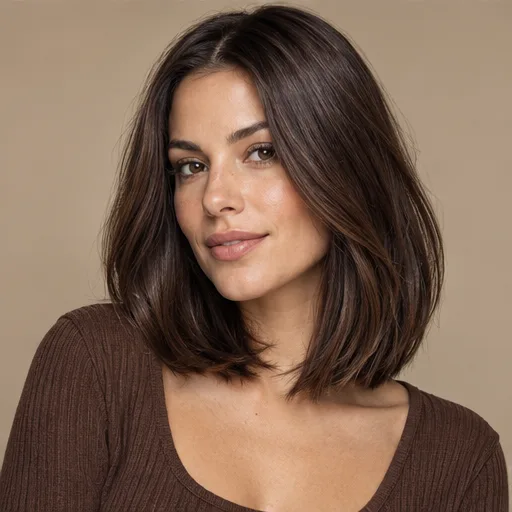
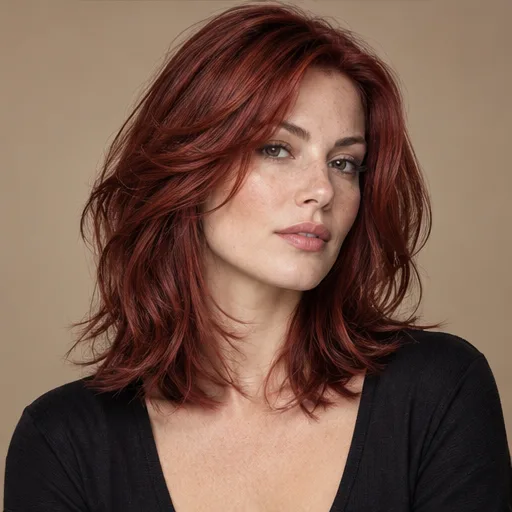
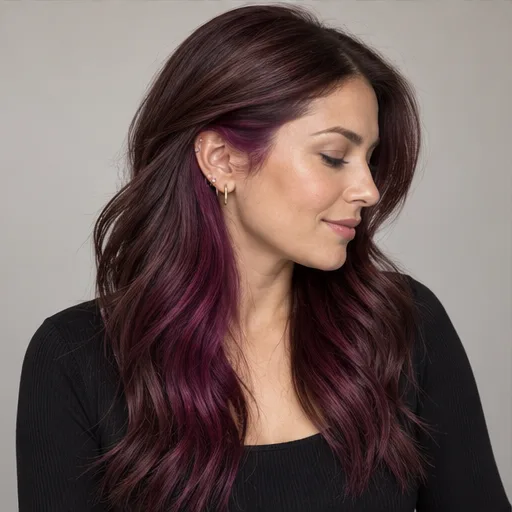
Concept references for shape and placement. Use the differences you like in your consultation; these are not step-by-step results or predictions for your hair.
Compare your options
Soft copper
A warm, orange-led impression that can be restrained or bright. Choose the depth first; soft does not necessarily mean pale.
Ask about: Can you show me a deeper copper and a lighter one in comparable light?
Auburn
Keeps brown depth as part of the result. Useful when you want warmth while retaining a darker silhouette. It can read differently indoors and outside.
Ask about: How visible will the red be against the brunette base?
Strawberry direction
A lighter blend of blonde and red warmth. Your starting color determines what getting there involves; the gentle-looking finish is not a guarantee of a gentle service.
Ask about: Is this lightness realistic for my current lengths?
Cherry or wine red
A more red-led or deeper expressive finish. Be specific about whether you want a visible violet cast and whether the result should look vivid in ordinary light.
Ask about: Which undertone will remain as this changes between visits?
Put the shade into ordinary language
Copper usually describes an orange-led effect; auburn combines red warmth with visible brown depth; strawberry blonde gives a lighter impression. Cherry and burgundy point toward different, redder directions. The boundaries vary between salons, so use the names as conversation starters rather than precise color instructions.
Take a reference into daylight on your screen and look at the whole image. A warm background, clothing or editing can change your impression of the hair. Tell the stylist which feature matters: a soft golden reflection, a pronounced orange tone, a deep wine cast or a clearly red silhouette.
Decide whether the change belongs everywhere
An overall red makes a continuous statement, particularly with a blunt or simple shape. A copper face frame or warm ribbons can introduce the color while leaving your existing base more prominent. A darker root may be part of either approach, but it should be agreed rather than left to chance.
Think through the view from the side and back. If your inspiration only shows the front, ask where the brightness continues. On a shag, light pieces may emphasize the shorter layers; on a long one-length shape, a broad warm gradient may tell a different story. Neither is automatically a lower-maintenance version.
Check the starting point and the exit route
The same copper reference may involve different work on naturally light hair, dark hair or previously colored lengths. Bring the complete history, including direct dyes and plant-based color. Ask what depth and vibrancy are realistic before discussing an exact finish.
Color and lightening can affect hair condition. The American Academy of Dermatology cautions that cosmetic color treatments can cause damage; a dramatic change deserves a realistic condition discussion. aad.org source
If you are choosing red for a brief change, ask how you might transition away from it. Do not rely on the idea that a fading color will simply return to your previous shade. Let the future plan influence how strong, light or widespread the present color should be.
See the color in your own texture
On straight hair, a uniform red can make the outline prominent. Waves give alternating areas of light and shadow, which can make the same tone appear more varied. On curls and coils, inspect the proposed placement with the hair in its natural shape and consider how shrinkage changes where a bright piece lands.
If you usually wear an updo or protective style, discuss the root, hairline and exposed sections. A color designed for loose hair may reveal a different pattern when pulled back. Keep comfort and the feasibility of your usual styling central to the decision.
Agree on a maintenance plan you actually want
Ask the salon to distinguish refreshing tone from changing the roots or placement. These are separate choices. Request a description of how the color may look as it changes, then decide whether that softer version is something you would enjoy. A color you only like on appointment day may be a poor fit for your routine.
Before using a color-depositing product, ask whether it belongs in your particular plan. More pigment is not automatically a better correction, and different areas may respond differently. Follow product instructions and keep a note of what you use between salon visits.
For a mismatch after a service, describe the issue precisely: too orange, too dark, too bright around the face or too much contrast at the root. That gives the salon a clearer problem to evaluate than simply calling it the wrong red.
Take this to your appointment
A starting point for your brief
I want a [copper / auburn / strawberry / cherry] direction at this depth. I like this amount of warmth, but I do not want [example]. Here is my full color history. Please explain the achievable tone, regrowth, home routine and route away from red if I later change my mind.
Use this in my briefAdapt the wording to your own hair, preferences and history.
Common questions
Which red suits my skin tone?
Choose the visual relationship you enjoy instead of treating skin tone as a fixed rule. Compare depths and undertones near your face in ordinary light. You may prefer contrast rather than a closely matching warmth.
Can I make a faded red bright again with any red mask?
Ask your colorist before adding pigment. A mask is a product choice with its own instructions and may not recreate the original placement or correct uneven areas. Describe the change first, then choose the response.
Sources & further reading
Sources accessed 3 October 2026. These publishers have not reviewed this guide. Our editorial standards explain our method.