Hair color
The color consultation: leave with a usable plan
Prepare your hair color history, reference photos, maintenance priorities and questions for a clear professional consultation.
Upkeep: Keep service and product records, revisit the brief when your priorities change and confirm which follow-up appointments are essential versus optional.
Effort is a planning estimate. The specific option and your routine change the commitment.

The starting point
A useful color consultation ends with an agreed visual target, the limits of your starting hair and a plan for maintenance and change. Bring honest history and specific priorities; you do not need to arrive knowing a formula or technique.
Compare the visual directions
Concept references for shape and placement. Use the differences you like in your consultation; these are not step-by-step results or predictions for your hair.
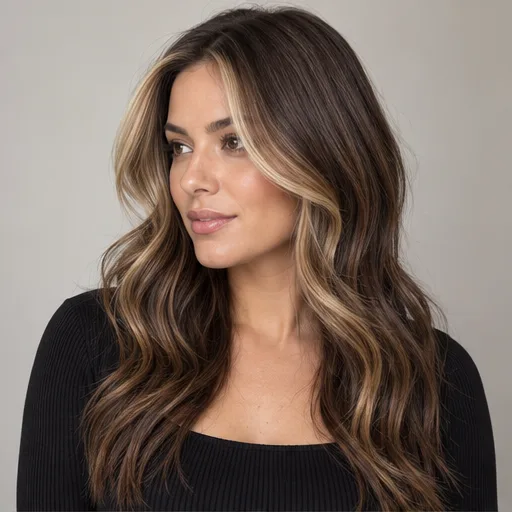
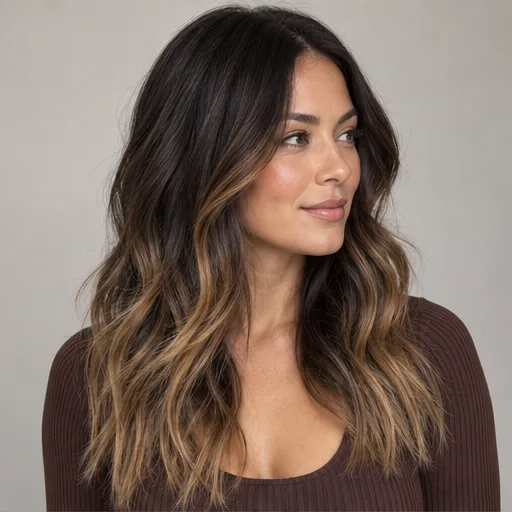

Compare your options
Explore first
Useful when you are considering a major change but have not settled on the target. The output is a feasible range of options, not an obligation to book immediately.
Ask about: What are two realistic directions from my starting point?
Maintain a result you like
Bring an ordinary-light photograph of the result you want repeated and explain what has changed since it was taken.
Ask about: Which part needs refreshing and which part can stay?
Plan a transition
Useful for gray grow-out, moving darker, vivid color changes or leaving a long-standing color routine. Intermediate stages deserve their own brief.
Ask about: What should the next stage look like, and what is our stopping point?
Build a short, labeled reference set
Choose a few images that show distinct things: the overall depth, the placement near the face and the finish you prefer. Label the useful part of each. One can demonstrate tone while another shows the root transition. Avoid asking a stylist to reconcile a dozen conflicting pictures without knowing which features you actually want.
Include one example you dislike and explain why. Too bright at the front, too dark at the ends and too much visible warmth are clearer statements than not natural enough. Compare pictures with similar lighting when possible and remember that a screen does not function as a precise color swatch.
Prepare your history without guessing
List previous lightening, permanent color, direct color, plant-based dyes, smoothing, perming and relaxing services. Include home products, even if they faded or were used only once. Note approximate dates honestly and bring product packaging or appointment details when available. If you do not know, say so.
Describe scalp discomfort, previous dye reactions and any concerns about breakage before the stylist begins planning. Follow the product and salon testing requirements. The FDA emphasizes label instructions and testing before every dye use; testing cannot guarantee that a reaction will not occur. fda.gov source
Do not hide a previous service because you fear being judged. The history helps the professional evaluate the request. This site cannot assess chemical compatibility or decide whether a product is appropriate for an individual.
Set the constraints that actually matter
State how much root contrast you are comfortable seeing, how exact the tone must remain and how much time you want to spend on the home routine. Appointment availability and budget are practical design constraints, not embarrassing exceptions. Ask for the full proposed service and what future visits would involve.
Explain fixed requirements such as tying the hair back, workplace appearance rules, a coming event or your desire to keep curls in their usual pattern. Discuss a realistic timeline with the salon instead of assuming a dramatic change can fit into a single appointment. Ask which uncertainties can only be resolved after assessing the hair.
Rank three priorities. For example: preserve length first, reduce root contrast second, become noticeably lighter third. If the priorities conflict, the ranking makes it easier to choose a result you will still enjoy.
Ask to see the plan in everyday terms
Have the stylist point out what will change at the roots, front, middle and ends. Ask what remains the same. Clarify whether the result is a single target or a staged transition, and what an intermediate version might look like.
Discuss the haircut at the same time. A planned fringe, substantial trim or switch in parting can alter the visible color design. For curls, coils and locs, explain the natural shape and the finish you normally wear. Ask to evaluate placement in that context rather than only in an unusually stretched salon finish.
Request a plain explanation of testing, preparation and aftercare for the actual products involved. Keep health questions with an appropriately qualified clinician; a color consultation is not an allergy diagnosis or medical assessment.
Finish with decisions you can remember
Before booking or proceeding, repeat the agreed target back: the depth, tone, placement and tolerated root contrast. Confirm which service components are included and which later appointments are optional. If a point is uncertain, record it as uncertain instead of turning it into an expectation.
After the service, save a photograph in ordinary light if you want a baseline for the next appointment. Keep the salon record and note any products you use at home. If the result is different from what was agreed, contact the salon with the brief and clear pictures before layering more color over it.
Take this to your appointment
A starting point for your brief
My first priority is [condition / length / root contrast / brightness / tone]. Here is my complete history, my normal texture and these labeled references. Please explain the feasible result, uncertainties, service components, maintenance and future transition before we agree.
Use this in my briefAdapt the wording to your own hair, preferences and history.
Common questions
Should I arrive knowing a color number?
You can share a previous service record, but you do not need to choose a formula. Clear visual preferences and accurate history are more useful than a number copied from a stranger’s result.
What if the stylist says my reference is not realistic?
Ask which element is the obstacle and what alternatives preserve your top priority. You may choose less brightness, different placement, a staged plan or no service. A useful consultation can end with deciding to wait.
Sources & further reading
Sources accessed 3 October 2026. These publishers have not reviewed this guide. Our editorial standards explain our method.