Hair color
Vivid hair color: plan the placement and the fade
Explore jewel tones, pastels, hidden panels and bold face frames with realistic starting-color, upkeep and transition questions.
Upkeep: Account for base preparation, refreshing pigment, product-transfer precautions and the next color; an exact pastel can require more ongoing attention than a rich shade allowed to soften.
Effort is a planning estimate. The specific option and your routine change the commitment.
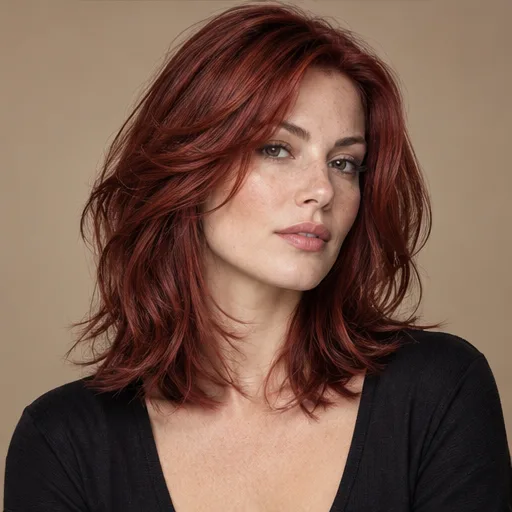
The starting point
For vivid color, choose the placement and the way it can change over time before choosing the exact shade. A small panel, rich jewel tone and pale pastel can involve very different commitments even when all feel bold.
Compare the visual directions
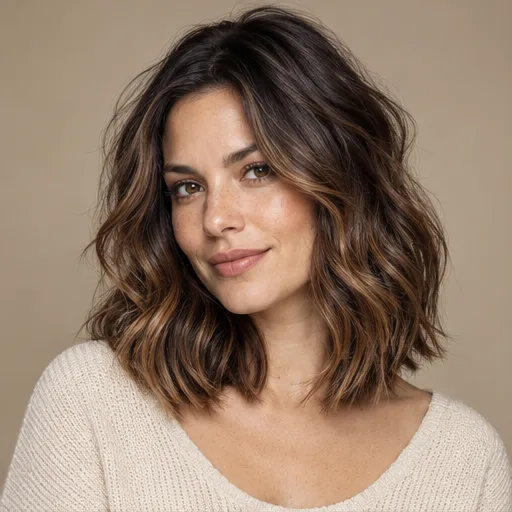
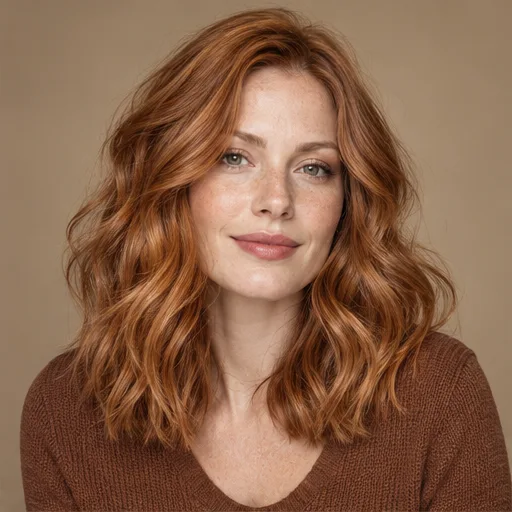
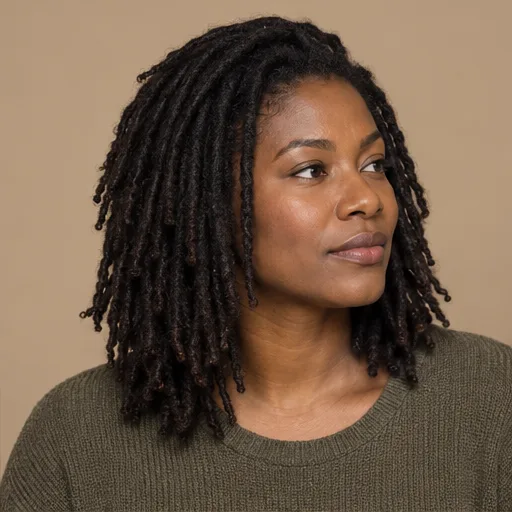
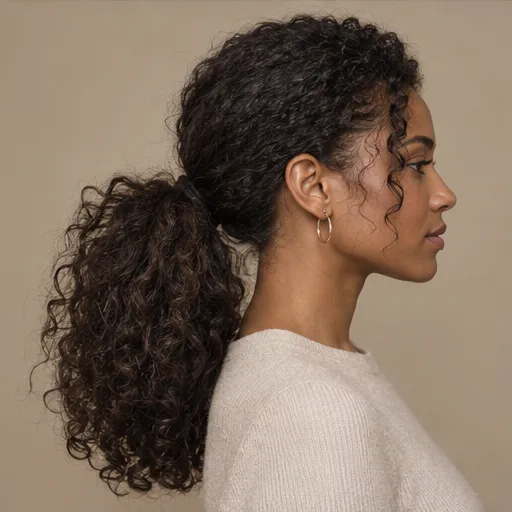
Concept references for shape and placement. Use the differences you like in your consultation; these are not step-by-step results or predictions for your hair.
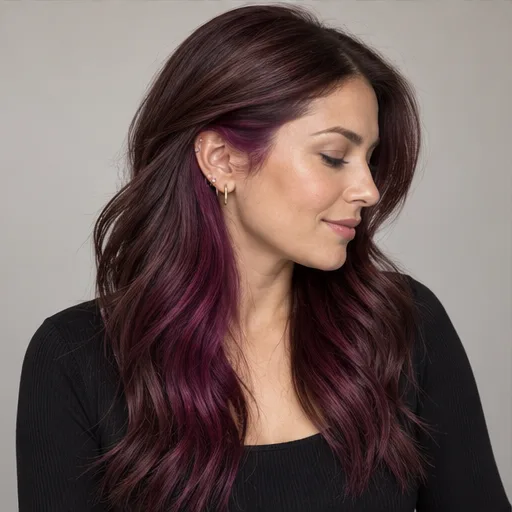
Compare your options
Rich jewel tone
A saturated red, blue, green or purple direction can make a strong statement without aiming for a pale pastel finish. Actual visibility depends on your base.
Ask about: How vivid will this look indoors on my starting color?
Pastel all over
Creates a soft-looking but potentially demanding finish. Discuss both the base preparation and how much tone upkeep you want.
Ask about: Would I also enjoy the shade as it becomes less saturated?
Hidden underlayer
Lets the amount of visible color change with your styling. It is useful only if the planned position stays concealed in the styles that matter to you.
Ask about: Please show me the panel with my hair down and in my usual ponytail.
Face frame or color block
Concentrates impact in a defined area. The placement can make regrowth or a change in tone highly visible.
Ask about: Can we set a boundary that works with my fringe and usual part?
Choose the effect before the color name
Ask yourself whether the goal is a color visible across the room, a detail revealed when your hair moves, or a softer wash. Saturation and contrast matter as much as hue. A dark red beside black hair and the same red beside pale blonde create very different visual statements.
Use a simple two-part brief: where the color should appear, and how strong it should look in ordinary light. If your reference combines several colors, rank them. You may care more about a pink front section than the rainbow underneath, which makes it easier to design a version you can maintain.
Understand the starting canvas
Pale pastels and bright colors shown on light hair may require a different starting canvas from yours. Ask a colorist what is achievable with your existing color and condition. The relevant decision is whether you want the preparatory service as well as the final shade.
Bring the history of all colors and chemical services, including products used at home. Do not assume a washed-out shade is fully absent from the hair. A previous vivid experiment can matter to a new plan even when only a faint trace remains.
The American Academy of Dermatology notes that greater lightening can increase damage. A vivid result that looks playful still deserves a condition assessment when lightening is involved. aad.org source
Map what each hairstyle will reveal
A hidden panel is only hidden in some arrangements. Test your ponytail, bun and usual part before choosing its position. Underlayers may become prominent when you braid your hair or move it behind your ears. Ask to mark the proposed section during the consultation so the surprise happens on purpose.
On curls and coils, decide whether the color should define selected curl groups or read as a larger area. Check where it lands after shrinkage. For short hair, even a small section can occupy much of the visible shape, so compare the panel with the silhouette rather than judging it by its width alone.
If you wear locs, explain your history and everyday maintenance to a colorist experienced with locs. A general color chart cannot establish how a service will behave on your own hair. Consider accessories or other removable ways to test the visual idea while you explore professional options.
Decide which version of the fade you would enjoy
Ask what changes the colorist expects in this particular plan and what they cannot predict. Color families can shift in different ways, but avoid treating an online fading chart as a schedule for your hair. Water, washing, existing color and the actual products complicate a universal forecast.
Consider whether you would like the less saturated version as much as the initial one. If your answer is no, ask what refreshing it would involve. An exact pastel maintained continuously can be a larger commitment than a rich shade you are happy to let soften.
Ask about product transfer and follow the selected product instructions for rinsing, drying and contact with fabrics. Before an important outfit or light-colored bedding, understand the precautions relevant to the product you actually use. Do not assume all temporary products behave alike.
Plan the next color before this one
Tell the stylist if work, school or an event could require a different appearance later. Choose a placement that fits those constraints and discuss the realistic transition. Temporary, semi-permanent and removable are not interchangeable promises.
If the color changes unevenly or leaves you unhappy, document it in consistent light and ask the salon about the next step. Repeatedly layering new shades can make the original problem harder to describe. Keep your service record where your next colorist can access it.
Take this to your appointment
A starting point for your brief
I want [shade family] at [subtle / medium / high] saturation, visible in these hairstyles and concealed in these situations. Here is my color history. Please discuss the required base, expected change, transfer precautions and a realistic route to my next color.
Use this in my briefAdapt the wording to your own hair, preferences and history.
Common questions
Is a pastel an easier first vivid color?
It may look quieter, but that does not make the service easier. The required lightness and the precision of the tone can create considerable upkeep. A small area or less exact finish may be a more useful first experiment.
Can a hidden panel meet a workplace color policy?
Check the policy yourself and test every required hairstyle. A panel may show at the nape, side or part when the hair moves. No placement guarantees that it will remain invisible.
Sources & further reading
Sources accessed 3 October 2026. These publishers have not reviewed this guide. Our editorial standards explain our method.