Occasion hair
Hair for exercise, helmets and an active day
Choose comfortable braids, low gatherings or short-hair containment for movement, with equipment checks and a practical post-activity reset.
Upkeep: Remove or release the activity arrangement afterward and reassess the scalp and lengths. Installed braids or locs keep their own cleansing and maintenance plan beyond the sports gathering.
Effort is a planning estimate. The specific option and your routine change the commitment.
The starting point
Choose an active hairstyle by what must stay clear and what equipment touches your head. Running, floor exercise and helmet use create different demands. A secure style should not need painful tension, and hair should never interfere with the fit or operation of safety equipment.
Compare the visual directions
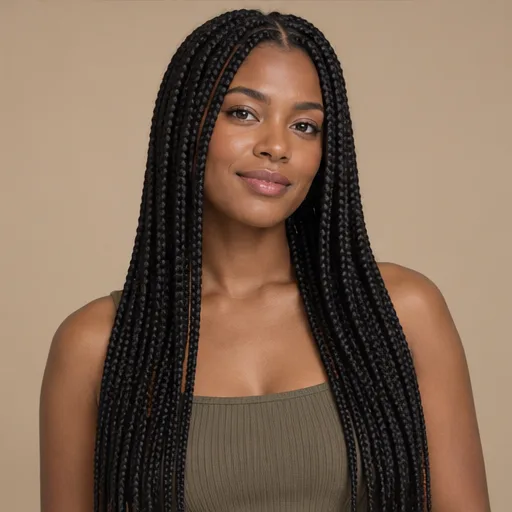
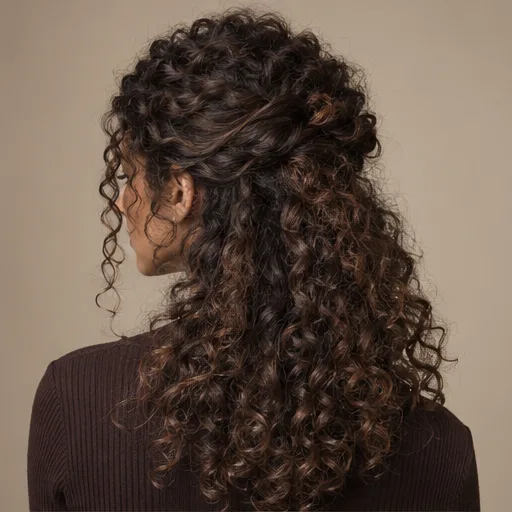
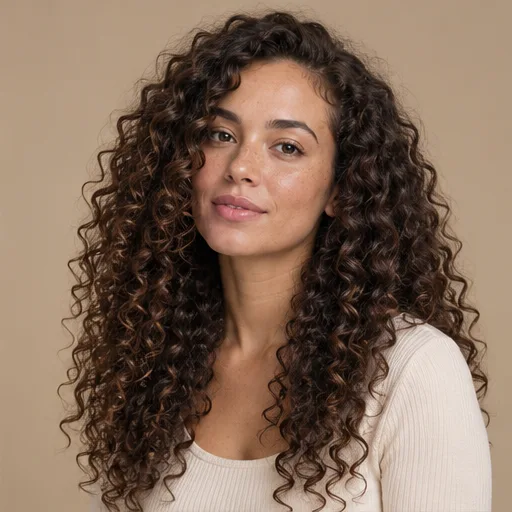
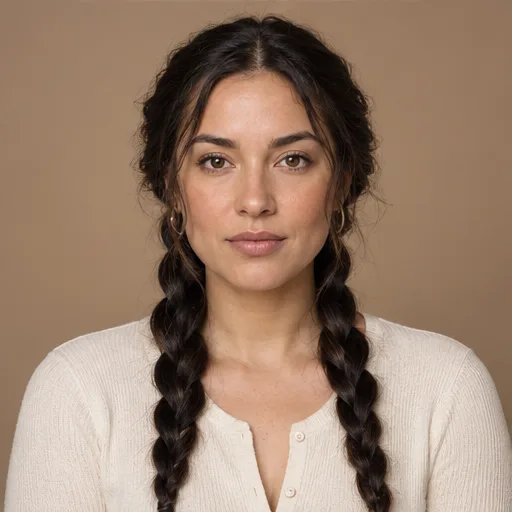
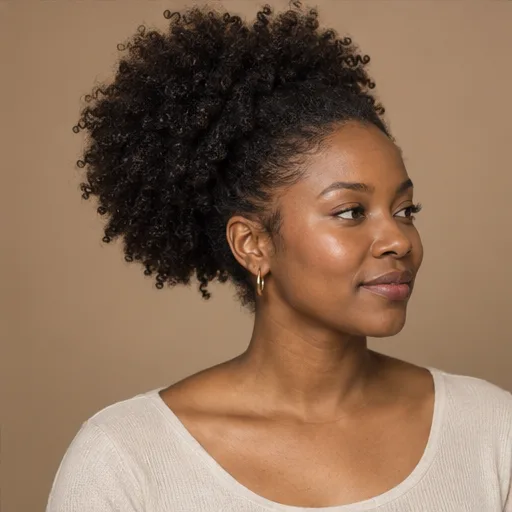
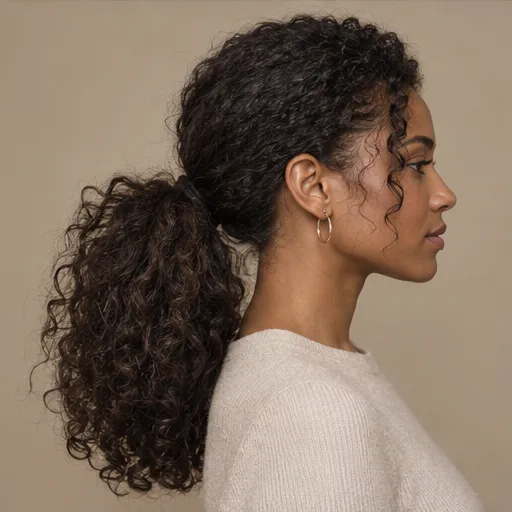
Concept references for shape and placement. Use the differences you like in your consultation; these are not step-by-step results or predictions for your hair.
Compare your options
Two low loose braids
Divides the length and often reduces the amount of loose hair swinging together. It takes more parting than a ponytail and needs enough length on both sides.
Ask about: Can we position the braids clear of my straps and keep the hairline relaxed?
Low gathered length
Quick for medium or long hair, with the anchor easy to reach. It may need further containment for some activities, and it should not sit where you rest your head.
Ask about: Will this position stay clear during floor work or equipment use?
Short shape with front containment
Uses the current haircut without trying to create a tiny strained ponytail. The right accessory depends on the actual activity and any safety requirements.
Ask about: Which front sections need securing, and which accessories are compatible with my equipment?
Start with the activity
For running or dance, consider how the loose length swings and whether it lands in your eyes. For floor work, check whether a bun or clip presses against the mat. For a helmet, follow the manufacturer's fit instructions and place hair so the helmet can sit as designed; do not alter protective equipment to accommodate a hairstyle.
Two low braids can distribute long hair to either side, while one low braid keeps the center contained. A loose low ponytail may be quicker but leaves more movement. A short cut may only need the fringe secured or an activity-appropriate covering. If hair could reach moving equipment, the relevant containment requirement takes priority over a decorative style.
Prepare without overtightening
Begin with detangled hair and remove accessories that could press, snag or obstruct equipment. Have soft ties and a mirror; avoid a hard clip at a pressure point. Start with dry or comfortably managed hair rather than trying to knot wet tangles into place. If your loose curls are already defined, move them in groups where possible.
Allow an estimated 5–15 minutes for one or two simple braids, with more time while learning. Any washing, detangling or drying belongs outside that estimate. If you have installed braids, twists or locs, choose a gathering that accounts for their weight; the same elastic arrangement used on loose fine hair may not be appropriate.
Set up two low braids for movement
This route is for hair long enough to braid without dragging the front or nape. Shorter hair can use the alternatives below.
- Part the hair into two comfortable sections. The part need not be perfectly straight; choose one you can make without repeated scraping or tugging.
- Gather the first side below or behind the ear, leaving room for glasses straps or equipment. Divide it into three strands.
- Cross the outer strands over the middle alternately. Keep the roots relaxed and separate the ends as you go.
- Stop before the ends become difficult to hold and secure with a soft tie. Repeat on the other side at a similar height.
- Put on any required equipment exactly as its instructions specify. Check that the braids and ties do not alter its placement, straps or fit.
- Try a few movements from the activity. If a braid swings into the face or an anchor presses, adjust the position or choose another containment method before starting.
Adapt the plan
A short bob can use a small front clip only where it is compatible with the activity and equipment. For a pixie, directing the fringe or using a suitable soft band may be enough. Never assume a headband alone provides required containment near machinery. On curls and coils, a loose puff can work for some activities, but a lower shape may fit equipment more easily.
For dense long hair, two braids may be more comfortable than putting all the weight in one high ponytail. Existing locs or installed braids can be divided into loose sections if their maintenance plan allows it. If your usual sports style leaves a sore spot, change the arrangement rather than planning to tolerate it for the length of the session. AAD's tension guidance is at aad.org source.
Reset after movement
Remove the ties or covering, then assess the scalp and lengths. If you need a wash, follow your usual gentle cleansing routine. If only the front has shifted, a small moisture reset or a loose restyle may be enough. Dry any damp areas before hiding them inside a dense new arrangement, and avoid assuming fragrance or powder replaces washing.
If curls have expanded, choose whether to regroup a few sections or wear the fuller shape. If a braid has tangled at the ends, undo it from the bottom rather than pulling the length through the tie. Keep your sports accessories clean according to their instructions and replace damaged ties that snag. The most useful routine is one that includes removal and the next style, not only the moment you start exercising.
Take this to your appointment
A starting point for your brief
My main activity is ___, and I wear ___. Please help me choose a haircut or gathering arrangement that stays clear of ___ without pulling. I need an option for the activity and a quick way to restyle afterward.
Use this in my briefAdapt the wording to your own hair, preferences and history.
Common questions
Should I tighten a ponytail until it cannot move?
No. Change the section size, position or containment method instead of increasing tension indefinitely.
Can I put a large bun under a helmet?
Use the helmet manufacturer's fit instructions. If the bun prevents correct fit or strap placement, choose a different hairstyle; do not compromise the equipment.
Sources & further reading
Sources accessed 3 October 2026. These publishers have not reviewed this guide. Our editorial standards explain our method.