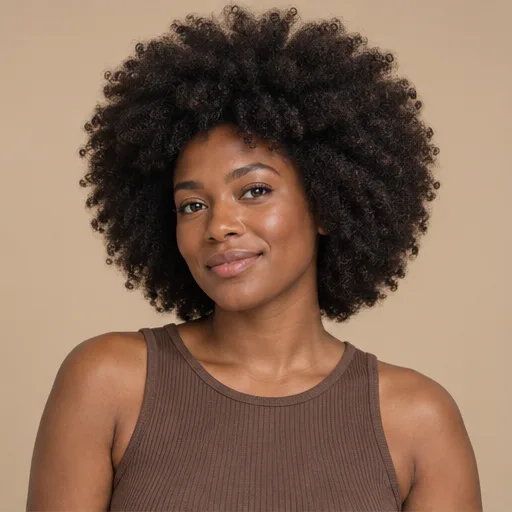
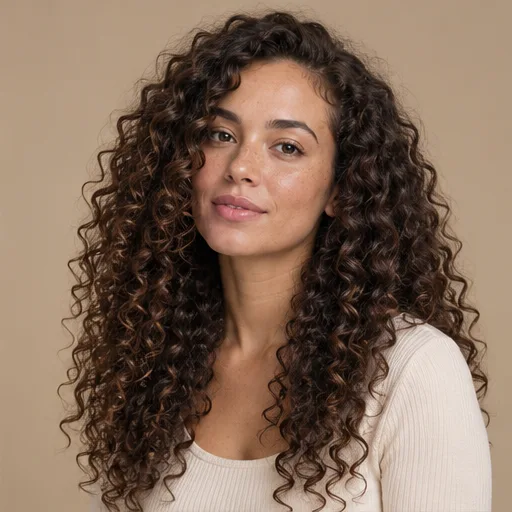
Texture & density
Choose protective styles around comfort, access and upkeep
Compare twists, braids, cornrows and tucked styles by tension, added length, scalp access, maintenance and removal before an installation.
Upkeep: Plan the whole cycle: installation, cleansing, drying, maintenance and careful removal. Get method-specific advice, and change a pulling or painful style rather than waiting for a planned date.
Effort is a planning estimate. The specific option and your routine change the commitment.
The starting point
A protective style is an approach to arranging the hair with less repeated manipulation of its lengths. The label is not a guarantee of protection or growth. Choose the method by comfort, the amount of added hair, access for cleansing, and the time you can give to maintenance and removal. A simpler style that you can care for is often a more useful choice than a complicated installation you cannot maintain.
Compare the visual directions
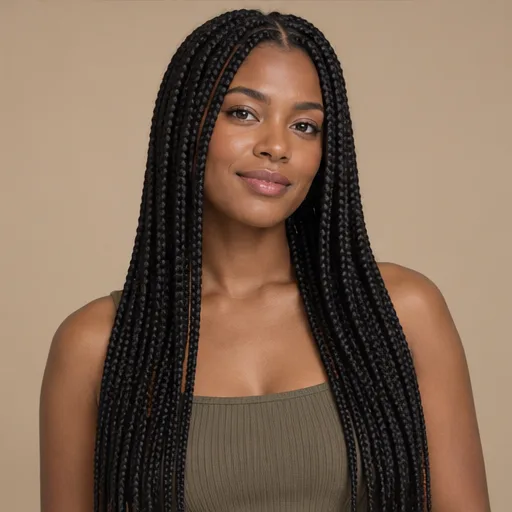
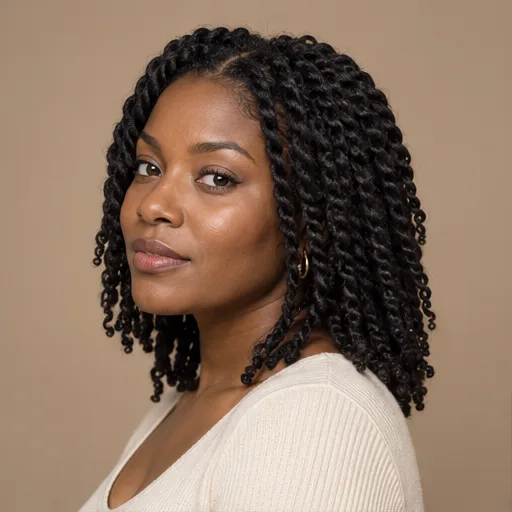
Concept references for shape and placement. Use the differences you like in your consultation; these are not step-by-step results or predictions for your hair.
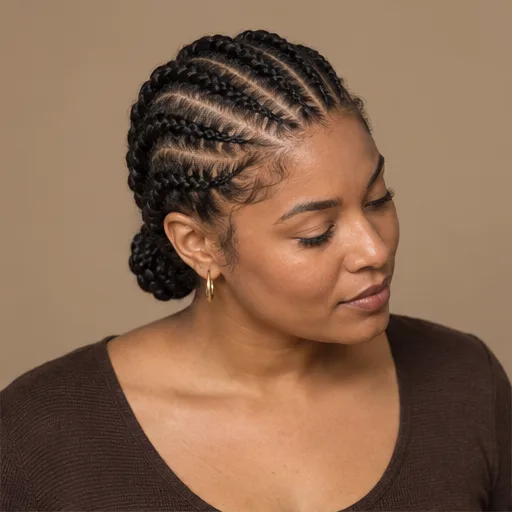
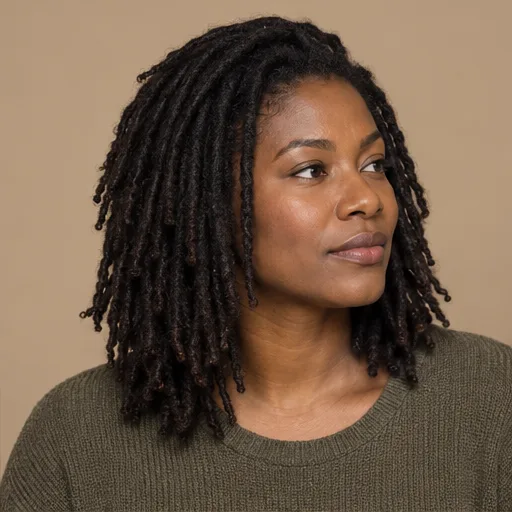
Compare your options
Twists with your own hair
Twists can offer movement and an arrangement that is relatively straightforward to change. Section size, retained length and your preferred finish affect the result. They still need a care and take-down plan rather than a promise of effortless wear.
Ask about: What size and pattern suit my length, and how should I cleanse and take these down?
Individual braids with or without extensions
Separate braids allow different partings and gathered styles. Added length or fullness changes the installation and how it feels when tied up. Discuss the base and weight as carefully as the visible ends.
Ask about: Show me the section size and a comfortable amount of added hair, especially around the front.
Cornrows or flat twists
A pattern close to the scalp can keep hair arranged for activity or a particular design. The direction, tension and ability to access the scalp matter. A complex pattern may need professional installation and removal guidance.
Ask about: Plan a comfortable pattern with access for cleansing and tell me how we will handle sensitive areas.
Tucked or pinned natural style
A bun, roll or pinned arrangement can be changed without a long installation. It is useful when you want flexibility and access, provided the pins and gathering do not pull. Complexity and hold should be matched to your skill and comfort.
Ask about: Show me a loose, secure arrangement I can reproduce and remove without tugging.
Choose a method, not only a finished photograph
Twists, individual braids, cornrows and tucked styles create different access and styling options. Some use your own hair; some add extensions. Decide whether you want loose movement, a scalp-following pattern or a temporary arrangement that can be changed easily. A photograph may not reveal the base, the added weight or how the style is removed.
Describe the length and fullness you want, but invite the installer to explain what your hair can comfortably support. More added length can change how a style feels when lifted into a bun or ponytail. Ask to see the planned section size and how the front and hairline will be handled before installation begins.
Comfort is a requirement during the service
The American Academy of Dermatology warns that repeated tension from styles including braids, locs, extensions, buns and ponytails can lead to traction hair loss. A style should not need pain, stinging or a sore scalp to stay in place. If it pulls or hurts, ask for it to be loosened or removed rather than waiting for it to settle. aad.org source
Tell the stylist about sensitive areas and any existing breakage or thinning before choosing the method. A tight finish should not be used to conceal a painful or changing hairline. New thinning or patches need qualified assessment; this guide cannot determine their cause or whether a particular installation is appropriate.
Plan access and care before booking
Ask how you will reach the scalp for your normal cleansing routine, how the lengths and base should be dried, and which products are appropriate for the installed method. Get instructions specific to the hair and materials used. Avoid a promise that the installation needs no care: the daily arrangement may be simpler while cleansing and drying still require planning.
Think about work, sport, swimming, sleep and headwear. Can the style fit comfortably beneath what you wear? Can you secure it without adding pressure? Will its length get in the way during activity? Bring these constraints to the consultation so the shape is chosen around your life, rather than discovering them after a long appointment.
Budget effort across the whole cycle
Separate installation time, daily styling, washing, maintenance and removal. A style can be quick to arrange in the morning while requiring a substantial appointment and careful take-down. Ask for a realistic estimate from the provider rather than relying on a generic duration attached to the style name.
Agree how to recognize when maintenance or removal is needed. The answer should account for the method, scalp comfort, your hair and your care routine. Do not use an internet wear-time limit as permission to keep an uncomfortable style. If the installation has become difficult to clean or feels wrong, ask the provider for advice sooner.
Have a removal plan
Before leaving, ask which parts are your hair, where added hair begins and who should handle take-down. If cutting extensions is part of professional removal, the boundary must be clear; do not guess from a photograph or assume your hair ends at the same point throughout.
Set aside time to remove the style and detangle gently using the method advised for your hair. The American Academy of Dermatology's general care guidance emphasizes gentle handling and avoiding tugging. If you cannot identify the base or the hair has become difficult to separate, get help instead of forcing it. aad.org source
- Confirm the method and any added hair before booking.
- Discuss tension and the hairline during installation, not only afterwards.
- Ask for cleansing, drying and removal instructions.
- Avoid assuming that a longer-lasting style is automatically a better choice.
Take this to your appointment
A starting point for your brief
I want ___ for these activities: ___. I prefer ___ amount of added hair and need comfort around ___. Please explain the base, tension, cleansing and drying, maintenance signs and removal. Stop and adjust any section that hurts. My priority is a manageable style, not maximum wear time.
Use this in my briefAdapt the wording to your own hair, preferences and history.
Common questions
Does protective styling guarantee growth?
No. The name describes a styling aim, not a guaranteed outcome. Tension, added weight, care and removal all matter. Do not keep a painful style because it has been marketed as protective.
How long should I keep the style?
Ask the provider for advice specific to the method, your hair and your routine. Comfort and access for care take priority over a generic schedule. Loosen or remove a painful style rather than waiting for a planned date.
Sources & further reading
Sources accessed 3 October 2026. These publishers have not reviewed this guide. Our editorial standards explain our method.