Occasion hair
Work and school hair that fits the morning you have
Build a repeatable morning hairstyle for classes or work, with a loose braid routine, short-hair options and practical texture adaptations.
Upkeep: Repeat a small morning arrangement while keeping washing, detangling and full drying in their own routine. Reconsider the cut when a fringe or perimeter repeatedly makes the morning harder.
Effort is a planning estimate. The specific option and your routine change the commitment.
The starting point
An everyday hairstyle should meet the real requirements of your day: seeing clearly, wearing glasses or a headset, fitting a uniform, and staying comfortable for hours. Start with your time allowance and any actual dress or safety rules. Then choose a shape you can repeat when you are in a hurry.
Compare the visual directions
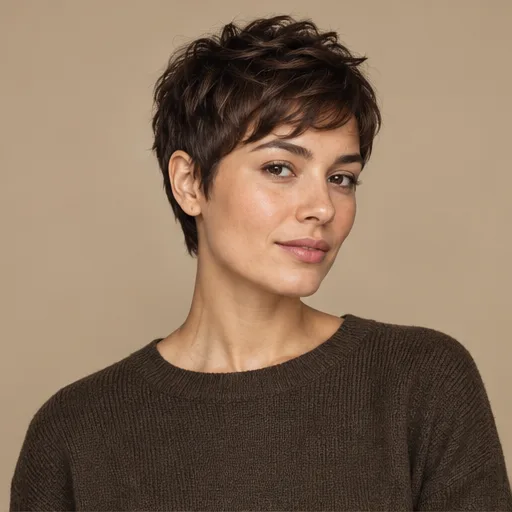
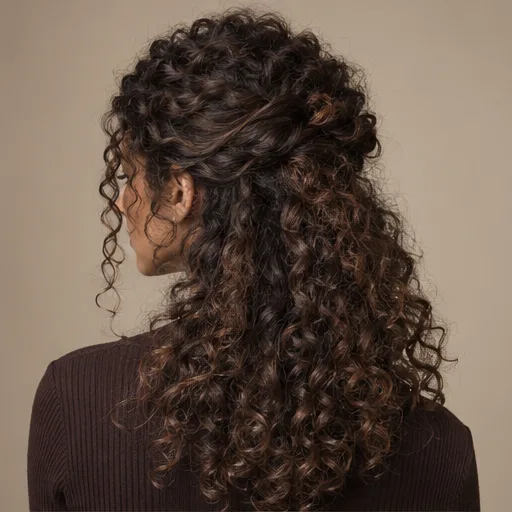
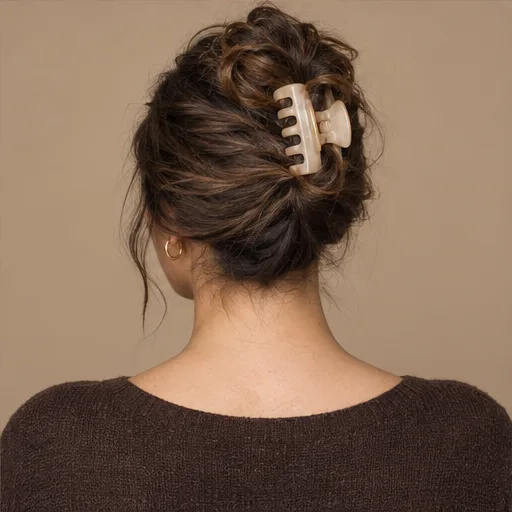
Concept references for shape and placement. Use the differences you like in your consultation; these are not step-by-step results or predictions for your hair.
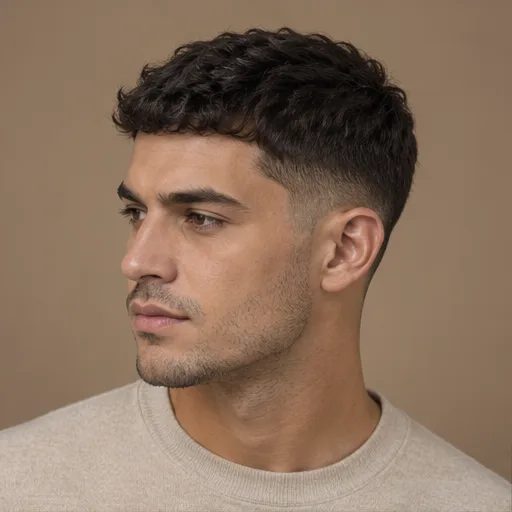
Compare your options
Loose shape with a secured front
Keeps most of the haircut visible and can be quick for short hair or natural texture. It is appropriate only where loose lengths meet the day's actual requirements.
Ask about: Which front pieces need securing so I can see and wear my glasses comfortably?
Low braid or contained bun
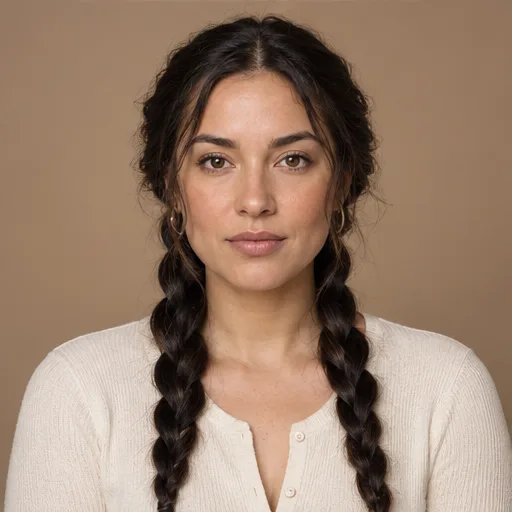
Keeps medium or long lengths together. The right position depends on collars, headrests and equipment, and the hair must reach without pulling.
Ask about: Where should this sit to clear my workwear, and can my current layers reach it?
Defined natural shape
A crop, rounded coils or arranged curls can be a complete everyday style. Plan the wash and drying routine separately from the brief morning refresh.
Ask about: What shape can I maintain with a small refresh, and what needs doing on wash days?
Separate appearance from requirements
Some workplaces require hair to be fully contained around food, equipment or machinery. Some schools have specific uniform rules. Check the actual requirement before choosing a style; a decorative half-up arrangement may leave too much loose hair for a safety-sensitive setting. Where no such rule exists, there is no single texture or silhouette that makes hair professional.
List your daily contact points: glasses behind the ears, a headset across the crown, a scarf at the neck or a coat collar. Try the hair with these objects rather than testing it in isolation. A low bun may conflict with a headrest; a large clip may sit under a headset. Moving the anchor a few centimeters can change the whole experience.
Create a short morning menu
Choose one loose style, one contained style and one fallback. For example: a defined bob, a side clip and a small half-up section; or natural curls out, a comfortable puff and a loose low gathering. This avoids making a brand-new decision every morning while preserving variety.
Prepare ties, clips and a comb in one accessible place. The loose-braid routine below begins with detangled hair long enough to reach the nape. Allow an estimated 5–10 minutes after practice, or 10–20 minutes while learning. Washing, drying and curl definition are separate tasks; schedule them according to your own routine rather than calling the entire process a five-minute hairstyle.
Build a low loose braid
This is a practical contained shape for hair with enough length. For shorter layers, use the alternatives below instead of pulling them into the braid.
- Check that the hair is detangled. Make the part and arrange any fringe so it will stay clear of your eyes.
- Gather the hair low at the nape without stretching the front. Divide the gathered length into three similar portions.
- Cross one outer portion over the middle, then cross the other outer portion over the new middle. Keep repeating with steady, relaxed hands.
- Separate the loose ends as you work so they do not twist into a knot. Stop before the ends become too short to cross neatly.
- Secure with a soft tie. Place any practical accessory where it cannot catch on glasses, clothing or required equipment.
- Put on your headset, glasses or uniform layer and move your head. Check that the braid and loose front sections meet your day's containment needs.
Adapt for short hair and texture
For a pixie or crop, reset only the fringe or crown that needs direction. A short bob can use a side clip, a comfortable tuck or a small half-up section. If a rule requires full containment, choose the required covering or discuss a suitable solution rather than assuming clips satisfy it.
For waves and curls, refresh just the disrupted front or outer groups and leave the rest intact. For coils, a loose puff, shaped out style or simple twists may suit different schedules. Braids and locs can be partially or fully gathered according to weight and length. Ask the wearer what feels comfortable, especially when helping a child or teenager; routine convenience should not override that feedback.
Keep the routine useful as hair changes
If you spend every morning forcing a fringe away from the eyes, consider a pin-back plan or a haircut conversation. If a bun always catches on a collar, try a lower-profile braid or a different anchor. As short layers grow, a previously awkward gathering may become easier; as a precise crop grows, the perimeter may need a tidy even when the top still works.
Release and reassess any pulling style. AAD explains the risks of repeated tension at aad.org source. At the end of the day, remove ties and clips rather than repeatedly tightening the same arrangement. Keep a spare tie in your bag so a broken accessory does not require an improvised uncomfortable fix.
Take this to your appointment
A starting point for your brief
My morning styling allowance is ___ minutes. I wear ___ and need my hair to meet ___ requirements. Please suggest a repeatable loose option, a contained option and a haircut adjustment only if it would make those routines easier.
Use this in my briefAdapt the wording to your own hair, preferences and history.
Common questions
Is straight hair more professional?
No hairstyle texture determines professionalism. Choose a comfortable style that meets any genuine role-specific hygiene or safety requirements.
How do I make a routine faster?
Reduce the number of areas you restyle, keep tools together and practise one dependable fallback. Separate full washing and drying from the small morning arrangement.
Sources & further reading
Sources accessed 3 October 2026. These publishers have not reviewed this guide. Our editorial standards explain our method.