Hair color
Balayage, highlights or all-over color?
Compare balayage, foils, face frames, all-over color and glosses by placement, root contrast, texture and the result you want.
Upkeep: Separate refreshing placement from adjusting tone; a soft root boundary does not eliminate upkeep for bright fronts, lightened lengths or an exact color finish.
Effort is a planning estimate. The specific option and your routine change the commitment.
The starting point
Choose the result first and let a colorist recommend the method. Balayage, highlights, all-over color and a gloss describe different aspects of a service, so they are not interchangeable alternatives with a fixed price, finish or maintenance level.
Compare the visual directions
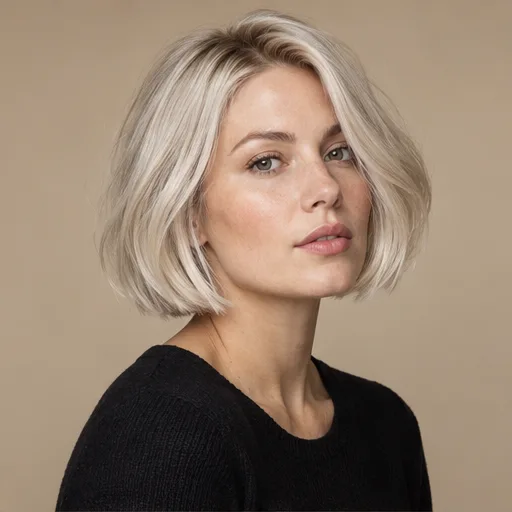
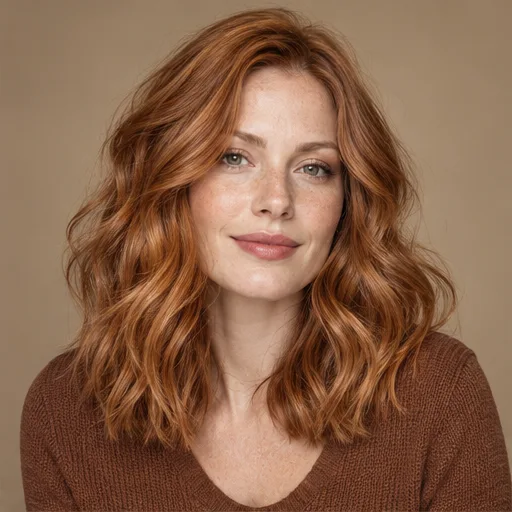
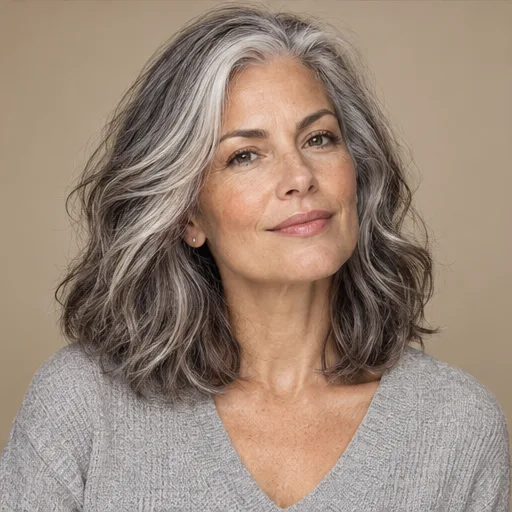
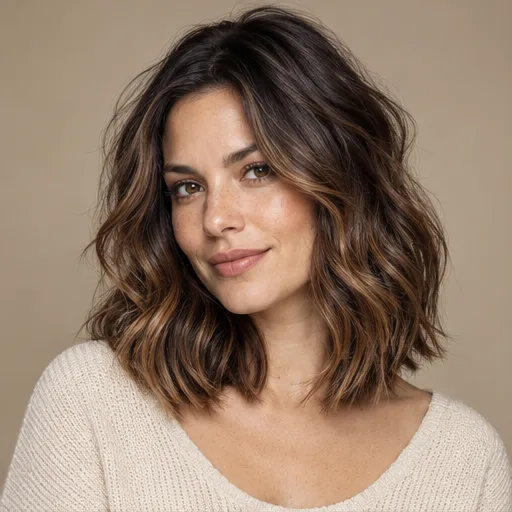
Concept references for shape and placement. Use the differences you like in your consultation; these are not step-by-step results or predictions for your hair.
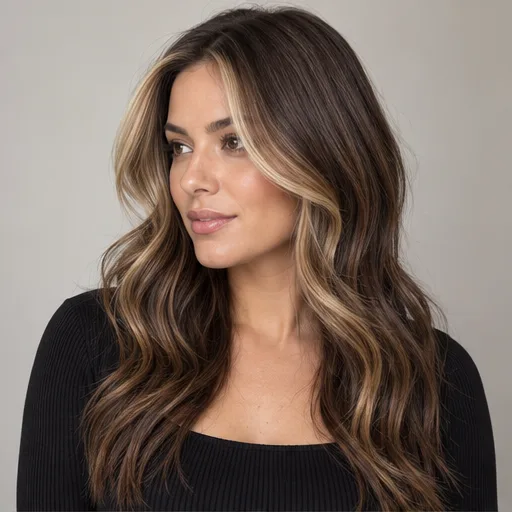
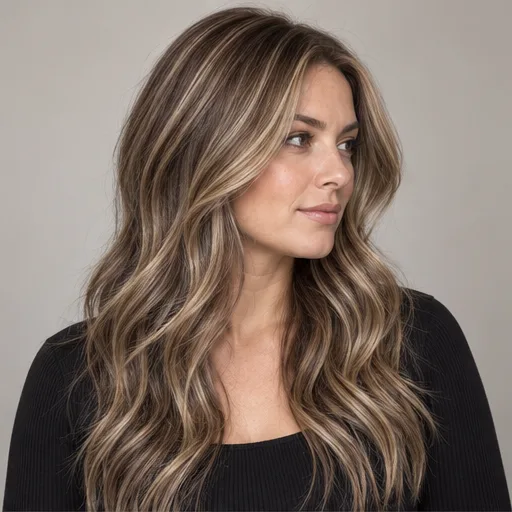
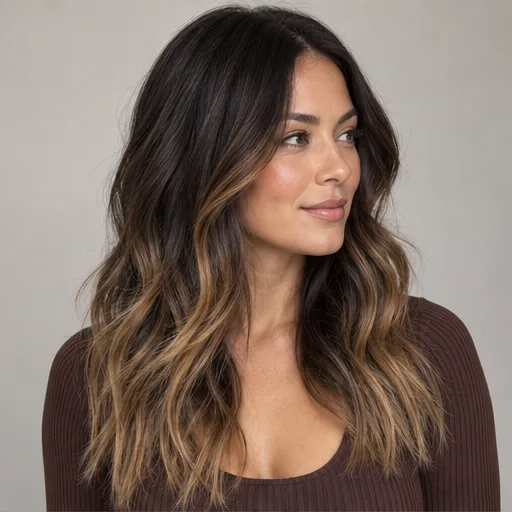
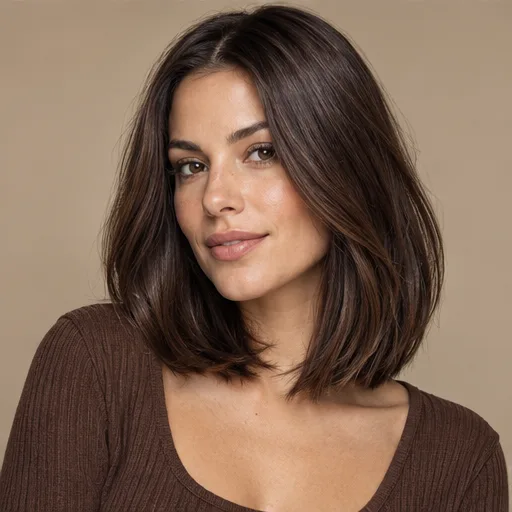
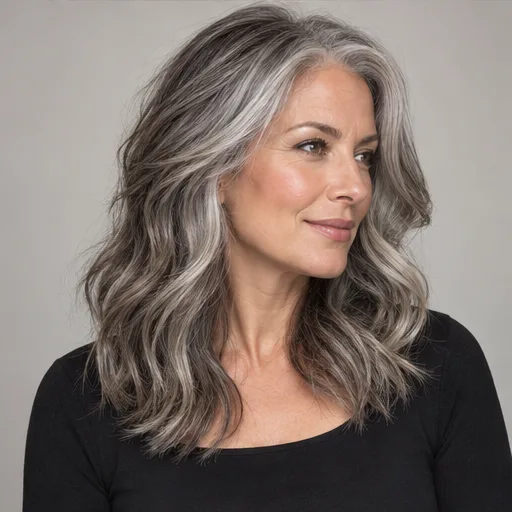
Compare your options
Painted, blended brightness
Often chosen for a softer progression through the lengths. The actual root transition, contrast and lightness determine the commitment.
Ask about: Can you point out the transition and brightest areas in my reference?
Selected highlights
Can create fine dimension, broader ribbons or brightness near the roots. Section size and placement matter more than assuming every foil result is striped.
Ask about: How fine or bold should the pieces be for my normal texture?
Face-framing color
Concentrates the change near the face. It can be a smaller service area but a very visible maintenance choice.
Ask about: What happens to the front when I tie my hair back?
All-over color
Prioritizes a unified color direction. Different roots and previously colored lengths may still require a tailored professional plan.
Ask about: How will you account for the difference between my root and lengths?
Gloss or tone-focused appointment
May be proposed to adjust the apparent tone or finish. Clarify the product, purpose and limits rather than assuming all glosses are identical.
Ask about: Will this change brightness, tone, depth or only the finish I see?
Understand what the terms are doing
Balayage commonly refers to a painted approach to color placement. Highlights describe selected lighter areas and may be created with different methods. Foils are a tool used to separate sections; the word alone does not tell you whether the final look will be soft, bold or close to the roots.
All-over color concerns a broad application or overall result. A face frame concerns location. A gloss is a salon service label whose exact product and purpose need clarification. A single appointment can combine several of these ideas, which is why a photograph is more useful than ordering a technique by name.
Describe the root, middle and ends separately
Look at a reference in three zones. Are the roots nearly natural, softly changed or clearly lighter? Is there brightness through the middle or mainly at the ends? Does the front have stronger contrast than the rest? Answering those questions gives a colorist a practical design brief.
Use your normal part during the consultation and show how you wear your hair up. Ask where the color will be visible in both arrangements. A face frame that looks gentle with hair down may make a strong stripe beside a slicked-back ponytail; that can be attractive if it is intentional.
Compare maintenance by boundary, not marketing label
An obvious difference at the roots may become a noticeable boundary as hair grows. A softer transition may be easier to live with visually, but tone changes, lightened lengths and a bright front can still need attention. Ask what happens when you skip a placement refresh instead of accepting a low-maintenance label.
Separate optional finish maintenance from work needed to preserve the intended design. You may be content with a warmer or less precise tone between appointments, while someone else wants that exact shade maintained. The same placement can therefore involve different routines for different people.
Ask for an itemized explanation of the proposed appointment: what changes the color, what adjusts the tone, what changes the cut and what supports the finish. This helps you compare services without relying on inconsistent salon names.
Adapt placement to texture and shape
For straight hair, consider the visibility of individual ribbons and the level of contrast between them. On wavy hair, decide whether brightness should follow the surface bends or remain subtle underneath. Fine strands and low density are different features; ask how much contrast will look intentional on your actual amount of hair.
For curls and coils, review the design in the state you normally wear. Shrinkage changes visible length, and small highlights may read differently within curl groups. A colorist may recommend a different scale of placement to deliver the visual effect you like. Show both your everyday finish and any occasional straightened style you want the result to accommodate.
For a haircut with a strong fringe or very short layers, plan color alongside the cut. A highlight placed before a large trim may not land where you expect afterward. Ask how the two services should be coordinated for your particular plan.
Check feasibility and leave with a record
No placement technique erases a previous color history. Explain old color, lightening and other chemical services, then ask what is realistic and what remains uncertain. Condition may change the proposed brightness, number of areas or whether a service should proceed.
After the appointment, record the service names, your part and the maintenance priorities. Take an ordinary-light reference if you like the result. At the next visit, explain which part you want to keep and which part changed, rather than automatically requesting the identical booking.
Take this to your appointment
A starting point for your brief
I like this brightness at the front, this much depth at the roots and this contrast through the ends. I wear my hair in these textures and styles. Please recommend the method, explain each service component and show what regrowth will look like.
Use this in my briefAdapt the wording to your own hair, preferences and history.
Common questions
Can balayage and highlights be part of one service?
Yes, salon plans can combine placement approaches and finishing services. Ask for a plain-language explanation of the result each part is intended to create.
Is a gloss the same as going darker?
Not necessarily. The name alone does not specify the product or intended change. Ask whether the proposed service affects tone, depth, brightness or finish on your particular hair.