Hair color
Gray blending: cover, soften or grow it out
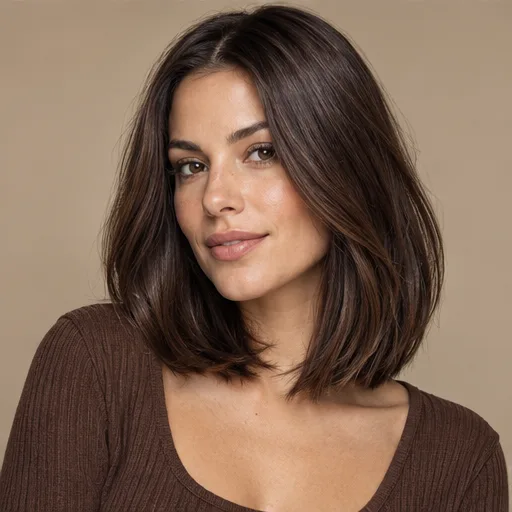
Compare gray coverage, blending, highlights and natural grow-out by root contrast, haircut, existing color and personal preference.
Upkeep: Choose the amount of visible root contrast you can live with and which blending visits can be paused; natural grow-out and precise silver color involve different maintenance choices.
Effort is a planning estimate. The specific option and your routine change the commitment.
The starting point
Choose gray blending according to the contrast you want to see, not an obligation to hide every gray hair. Full coverage, softer blending and growing out your natural pattern are all valid destinations with different maintenance and transition plans.
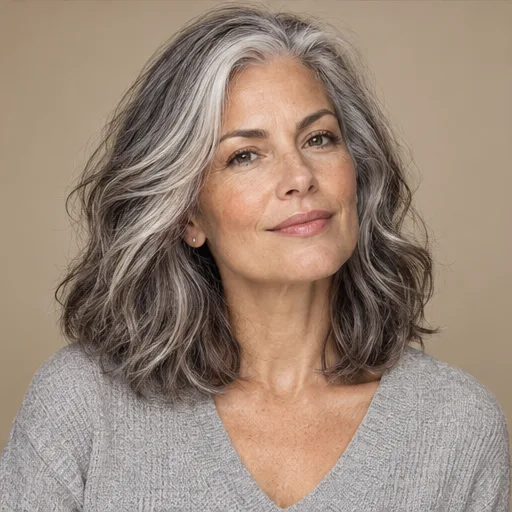
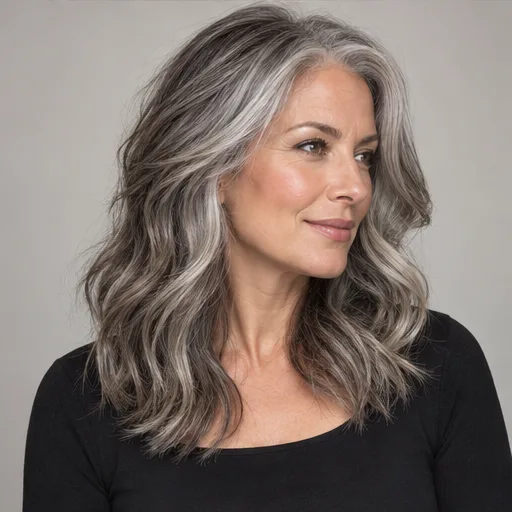
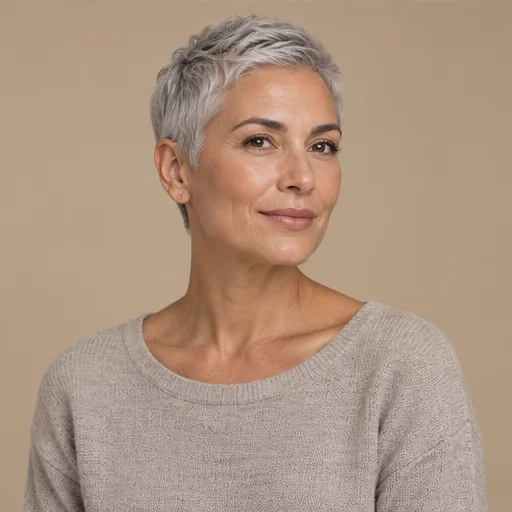
Compare the visual directions
Concept references for shape and placement. Use the differences you like in your consultation; these are not step-by-step results or predictions for your hair.
Compare your options
Fuller coverage
Aims for a relatively uniform color impression. Root contrast may be the main upkeep concern; agree on how visible it can become before you want a refresh.
Ask about: What will my natural root look like beside this depth?
Blended dimension
Keeps variation visible and uses placement to soften selected boundaries. The goal is a chosen mixture, not necessarily hiding every gray.
Ask about: Can we work with the gray around my face while keeping depth elsewhere?
Gradual natural grow-out
Preserves more length and accepts a changing transition. Shape adjustments and styling can help you enjoy intermediate stages.
Ask about: Can we plan the next cut around the boundary without losing this much length?
Shorter transition cut
Removes more previously colored length as part of a haircut you actively want. It should satisfy your style preference on its own.
Ask about: Would I still choose this cut if color were not part of the decision?
Name the destination
Begin with the finished result you want: a uniform color, a mixed salt-and-pepper appearance, brighter silver areas or your natural pattern as it is. Do not let a generic request to look younger replace a specific color preference. You can enjoy gray and still want shape, contrast or polish.
Bring photographs of the root pattern you see now, including the temples, part and nape if possible. Gray may be distributed unevenly. The goal is to work with that visible pattern rather than assume every part of your head needs the same treatment.
Separate coverage from blending
Coverage aims for a more uniform color impression; blending keeps variation in the result. A highlight approach can make some boundaries less obvious, while added depth can help connect very light areas with darker lengths. The appropriate choice depends on what is already on your hair.
Wella describes gray services in terms of covering, blending or embracing existing gray, with the natural base and distribution influencing the choice. This is a professional brand’s service guidance, not a promise that one shade will be easiest for everyone. wella.com source
Ask to see the proposed contrast at the roots and the lengths separately. You may like softer contrast near the face but more depth at the perimeter. A clear brief can include both rather than treating gray blending as a single standardized service.
Choose a route through existing color
If previously colored lengths differ sharply from the natural root, discuss a gradual transition, an adjusted cut, selected color work or simply living with the boundary. None is mandatory. The right route depends on condition, desired length and tolerance for the in-between stages.
Ask the stylist to describe the next two shapes, not only the immediate appointment. A shorter cut may remove more old color sooner, but you do not have to cut short to earn a successful gray transition. If retaining length matters most, say so before a color plan assumes regular large trims.
Do not expect a reference photograph of natural silver to prove that your colored lengths can be made identical. Ask what difference may remain and whether you would enjoy a deliberately mixed result while the hair grows.
Adapt to your texture and styling
On straight hair, a strong boundary can be easy to see. On waves and curls, movement changes how the transition reads, but that does not guarantee the line disappears. Look at your hair in the finish you actually wear. A salon blowout may conceal or expose contrast differently from your normal routine.
For coils and locs, work with a stylist who understands your normal shape and services. Consider the face-framing pattern and the areas exposed by your usual updos. Changes in styling or parting can provide new ways to enjoy the transition without requiring another chemical service.
Gray hair is not one universal texture or density. Make care decisions from how your own hair behaves instead of assuming it automatically needs heavy products, constant toning or a very short cut.
Build a maintenance plan with stopping points
Ask which part of the plan can be paused and what that will look like. A blending strategy that repeatedly recreates a precise silver shade may still involve appointments; softer regrowth does not mean zero upkeep. Decide how much contrast you can comfortably let develop.
Photograph the same part in similar daylight occasionally if you want to track the visual transition. Use the pictures to discuss placement, not to diagnose scalp or hair changes. Keep color records so each appointment builds on the previous decision.
If the result develops a cast you dislike, ask what is causing the appearance before buying multiple toning products. The answer may involve the current color, lighting, product residue or a different issue that needs an individual assessment.
Take this to your appointment
A starting point for your brief
I want to [cover / blend / grow out] my gray while keeping [length or feature]. This is my current root pattern and color history. Please explain the contrast I will see during the transition, which services are optional and the haircut choices at each stage.
Use this in my briefAdapt the wording to your own hair, preferences and history.
Common questions
Does gray blending mean highlights?
Not always. It describes the visual aim, while highlights are one possible method. Ask what will actually be done and how each part of the service relates to your existing gray pattern.
Must I use purple shampoo on gray hair?
No universal rule fits every head of gray hair. Use a toning product only if its intended effect matches a change you want, and follow its directions. Ask about an unwanted cast before trying to correct it repeatedly.
Sources & further reading
Sources accessed 3 October 2026. These publishers have not reviewed this guide. Our editorial standards explain our method.