Hair color
Blonde hair: choose the brightness you can live with
Compare creamy blonde, cooler blonde, bronde and platinum by starting color, placement, regrowth and the finish you want.
Upkeep: Discuss root contrast, maintaining tone and care for lightened lengths separately; an exact pale or cool finish can need more follow-up than a softer blonde you are happy to let change.
Effort is a planning estimate. The specific option and your routine change the commitment.

The starting point
Choose blonde by the contrast you want at the roots, the amount of lighter hair around your face and the upkeep you can repeat. A shade name is only a starting point: two people asking for beige blonde can need very different services.
Compare the visual directions
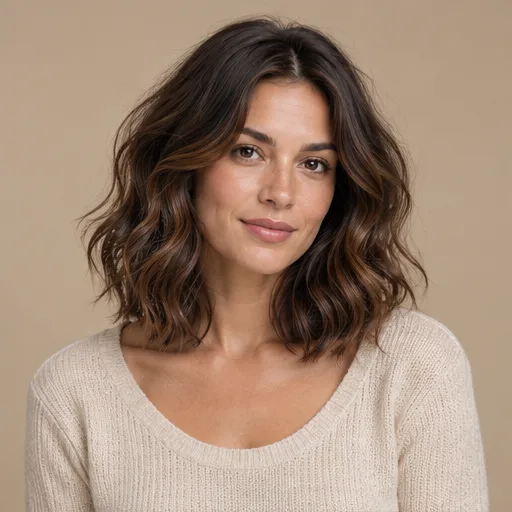
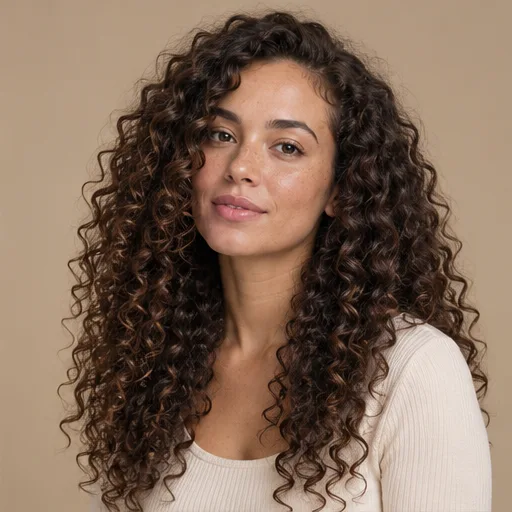
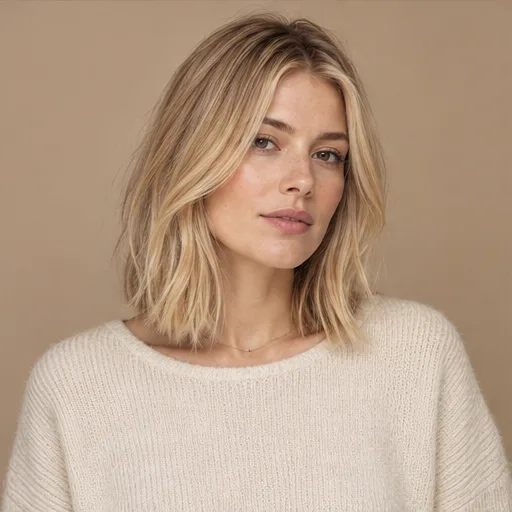
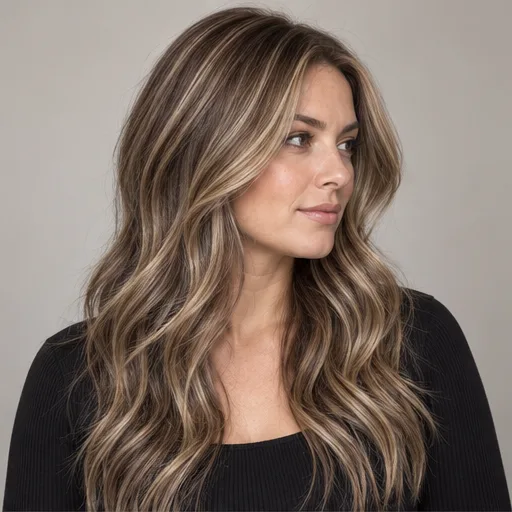
Concept references for shape and placement. Use the differences you like in your consultation; these are not step-by-step results or predictions for your hair.
Compare your options
Bronde with light around the face
Keeps substantial brunette depth with selected brightness. Useful when you want the feeling of blonde without a uniformly pale result. The face frame may still look conspicuous as it grows.
Ask about: Can we keep the base visible and soften the face-frame root?
Creamy or beige blonde
Balances a lighter overall impression with a softer tone than icy platinum. Ask what the terms mean to your colorist; these labels are not standardized swatches.
Ask about: Show me your version of beige beside a warmer blonde.
Cool blonde
Prioritizes a cooler visual finish. The result depends on the achievable base and the light in which you view it; keeping that exact tone may be an ongoing project.
Ask about: How will this tone change, and what part of upkeep is optional?
Platinum with a deliberate root
Makes a strong contrast statement. A visible dark root can be part of the design, but a deliberate shadow and untreated regrowth are different service choices.
Ask about: What root contrast can we maintain without chasing a perfectly uniform blonde?
Separate brightness, tone and placement
Brightness describes how light the hair looks; tone describes whether that lightness reads warmer, cooler or more neutral. Placement describes where it sits. You can want a warm blonde without wanting every strand light, or a bright front with a darker back. Decide these three things separately before collecting photographs.
Compare references in similar lighting. A studio-lit platinum bob and a softly lit beige wave are poor direct color comparisons. Save one image for tone and another for placement, then label what you mean. Ask to see a realistic swatch or color reference beside your existing hair rather than treating a screen as an exact match.
Start with your actual color history
Tell the colorist about previous lightening, permanent color, direct dye, henna, smoothing and relaxing services, including color that appears to have grown out or faded. Visible color does not reveal the complete history of the lengths. Bring dates or product information when you have it; uncertainty is useful information too.
Dramatic lightening can be more damaging than a smaller color change, according to the American Academy of Dermatology. That makes condition and feasibility part of choosing the shade, not an afterthought. aad.org source
Ask what can be achieved while preserving a finish you would still enjoy wearing. A staged plan, a darker intermediate shade or fewer bright pieces may fit your priorities. A responsible consultation can also conclude that lightening should wait. No photograph can establish how many appointments your hair will need.
Make the blonde work with your cut and texture
On a blunt bob, bright ends emphasize the outline while a darker root makes the contrast more obvious as the cut grows. With layers, discuss whether the color should follow the face frame, the surface movement or the fuller perimeter. Very fine highlights can look different once the hair is waved.
For curls and coils, review placement with hair in the finish you wear most often. A highlight designed on stretched hair may sit elsewhere once it shrinks. Ask how much contrast will remain visible inside the shape and whether the lightest pieces will land where you expect. Blonde should not require straightening simply to reveal the intended design.
Plan for the weeks between appointments
Ask to see where your natural root will show first. A soft root transition can make the boundary less stark, but it does not remove every upkeep task. Discuss which visits maintain tone, which refresh placement and which would be optional if you let the blonde grow out.
Keep the home routine realistic. Ask which change actually matters for your hair instead of buying every product in a blonde display. Toning products can alter the apparent finish; they are not a substitute for a consultation about unevenness or a result you dislike. Follow their directions and ask before introducing them to a new color.
If you want to return darker later, say so now. Keep a record of the service and ask what that future transition could involve. A choice is easier to enjoy when its exit route is understood.
Take this to your appointment
A starting point for your brief
I want a blonde that looks [warm / neutral / cool], with brightness mainly at [front / surface / throughout]. My natural root is [description]. These are my previous services, and this is the upkeep I can sustain. Please explain the achievable result, condition limits and grow-out before we commit.
Use this in my briefAdapt the wording to your own hair, preferences and history.
Common questions
Is balayage always the easiest blonde to maintain?
No. Placement can soften a root boundary, but very light lengths, a bright face frame or a precise cool finish may still take upkeep. Compare the whole plan, not just the technique name.
Can I choose blonde by skin tone alone?
Treat skin tone as one visual consideration, not a rule. Compare shades near your face in ordinary light and choose the effect you prefer. Starting color, hair condition and maintenance determine what the service involves.
Sources & further reading
Sources accessed 3 October 2026. These publishers have not reviewed this guide. Our editorial standards explain our method.