Hair care basics
Breakage, shedding and changes worth checking
Describe breakage or shedding concerns clearly, choose gentle styling while you seek advice and know when a haircut is not the answer.
Upkeep: Track the change without self-diagnosing, address uncomfortable styling promptly and arrange healthcare assessment for new loss or persistent scalp symptoms.
Effort is a planning estimate. The specific option and your routine change the commitment.
The starting point
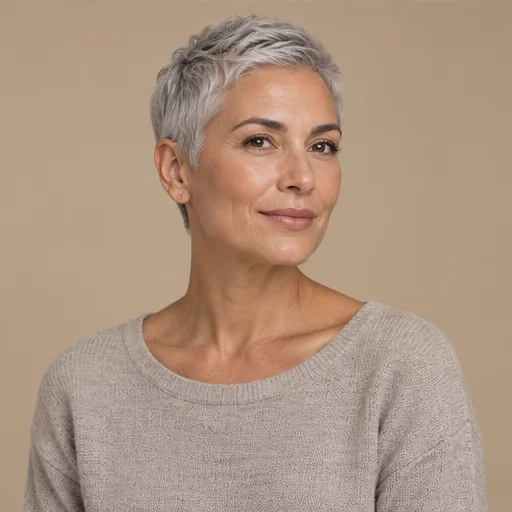
If you are noticing more short broken-looking pieces, more hair coming away or a change in visible density, describe the change rather than trying to diagnose it from a photograph. A haircut can improve a silhouette; it cannot establish the cause of new hair loss.
This is a guide to observations and referral boundaries, not diagnosis or treatment. New hair loss or persistent scalp symptoms need qualified healthcare assessment.
Compare your options
Styling concern with no new loss
For an uneven shape, difficult ends or a finish you dislike, a stylist can help evaluate the haircut and routine. Stay alert to changes beyond appearance.
Ask about: Can we improve the silhouette without adding more tension or manipulation?
New or persistent density change
A healthcare assessment is the useful next step when the concern is new thinning, patches or ongoing loss. A gallery cannot identify the cause.
Ask about: What information would help you evaluate this change?
Discomfort with an installed style
Address tension promptly with the service professional and seek clinical advice about loss or persistent symptoms.
Ask about: Can we loosen or remove the area that hurts rather than waiting for it to settle?
Describe what changed in plain language
Useful observations include where you notice the change, whether it seemed sudden or gradual, and whether your usual part, hairline or ponytail looks different. You do not need to identify a condition before making an appointment. If the concern is physical discomfort, say that directly.
Avoid treating a single brush, shower drain or close-up photograph as a complete test. The amount you see on one occasion depends on the context in which you are looking. Constant counting can also distract from the more useful question: what is different from your usual pattern and is it persisting?
Breakage and shedding are not interchangeable labels, but this guide cannot determine which process explains your experience or whether more than one thing is happening. Skip internet tests that promise to settle the cause from one strand and take the overall change to an appropriate professional.
Recognize reasons to arrange an assessment
The American Academy of Dermatology lists changes such as a widening part, receding hairline, enlarging bald spot or sudden loss among possible signs of hair loss. Burning, tenderness, intense itching, scaling or sores can accompany it. These signs need assessment rather than a diagnosis from a styling article. aad.org source
If you are concerned about a new or persistent change, a qualified healthcare professional can assess it and direct further care. Do not wait until a preferred hairstyle becomes impossible before asking. This site does not recommend a medication, supplement, diagnostic test or treatment plan.
For an acute reaction after a product, use the dye-safety guide and seek appropriate medical help. A new product reaction is a different concern from deciding whether a layered cut makes the ends look sparse.
Look at styling tension without assuming it is the only cause
Repeated pulling can contribute to traction hair loss, and the AAD advises changing styles that cause pain, stinging or other warning signs. Loosen or remove an uncomfortable style and seek professional advice about any new loss. aad.org source
Tell the stylist exactly where a braid, extension, loc style or ponytail pulls. Do not ask for tighter placement to hide an area that is already uncomfortable. A protective-style label does not make pain necessary or guarantee that a particular installation is appropriate.
At the same time, do not assume that identifying a tight hairstyle proves it caused every change. Share the styling history with the clinician so they can consider it alongside the rest of the picture.
Prepare information for a useful appointment
Make a short factual note rather than building a self-diagnosis. Include what changed, approximate timing and relevant product or service history. If you have older pictures in comparable lighting, they may help show the visual difference. Do not manipulate the part or edit the pictures to make the change look stronger.
- Where do you notice the change: front, part, crown, ends or throughout?
- When did it first concern you, and is it still changing?
- Is there discomfort, scaling, tenderness or a recent product reaction?
- What styles, chemical services and products have you used recently?
- What ordinary activities or styling tasks have become difficult?
Choose an interim style for comfort and preference
You can ask a stylist for a shape that feels easier to handle while you arrange an assessment. A cleaner perimeter, softer part, loose clip or less manipulation may fit your preferences. Present these as cosmetic choices, not treatments or promises of regrowth.
If you want a shorter cut, choose it because you like the shape and routine. Cutting hair does not establish why a change occurred. Equally, you do not have to keep an inconvenient length merely because you are waiting for advice.
Use the gentle-routine guide for restrained handling, and avoid escalating heat or chemical services to chase an appearance that suddenly changed. Keep the next step specific: an appointment, a comfortable style adjustment or a clear question for your existing clinician.
Take this to your appointment
A starting point for your brief
I am noticing [specific change] at [location], beginning around [approximate time]. Here are relevant products, services and photographs. I want a comfortable cosmetic style while I get appropriate advice, and I do not want a treatment claim substituted for an assessment.
Use this in my briefAdapt the wording to your own hair, preferences and history.
Common questions
Can I tell the cause from the hair in my brush?
This guide cannot diagnose a cause from shed or broken-looking strands. Describe the broader change and seek qualified assessment if it concerns you, especially with thinning, patches or scalp symptoms.
Will a new haircut make the hair grow back?
A cut can alter the appearance and daily routine. It is not a diagnosis or a treatment for hair loss. Discuss the cause and any appropriate care with a qualified healthcare professional.
Sources & further reading
Sources accessed 3 October 2026. These publishers have not reviewed this guide. Our editorial standards explain our method.