Texture & density
Fine haircuts: keep the shape you want at the ends
Separate fine strands from low density, then compare bobs, crops and restrained layers with practical fullness, styling and consultation choices.
Upkeep: Review the fullness of the perimeter as the cut grows. A precise crop needs more outline attention; a restrained lob or longer shape can retain its purpose with selective trimming.
Effort is a planning estimate. The specific option and your routine change the commitment.
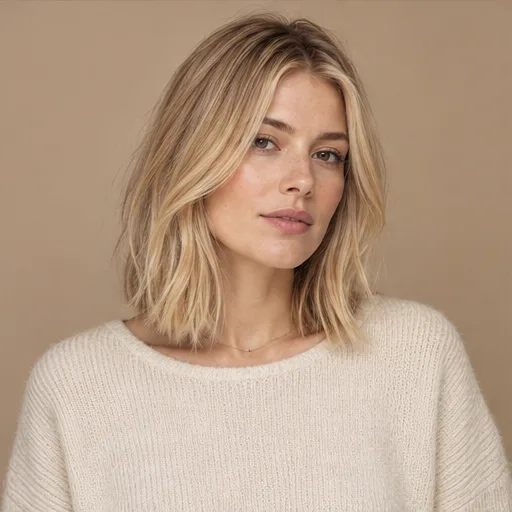
The starting point
Fine describes the diameter of individual strands; low density describes having fewer strands across an area. You can have fine hair that is very dense, or coarser hair with low density. A useful haircut starts by separating those questions. If your goal is a more substantial-looking edge, discuss how much hair will remain at the perimeter before choosing layers or a shorter length.
Compare the visual directions
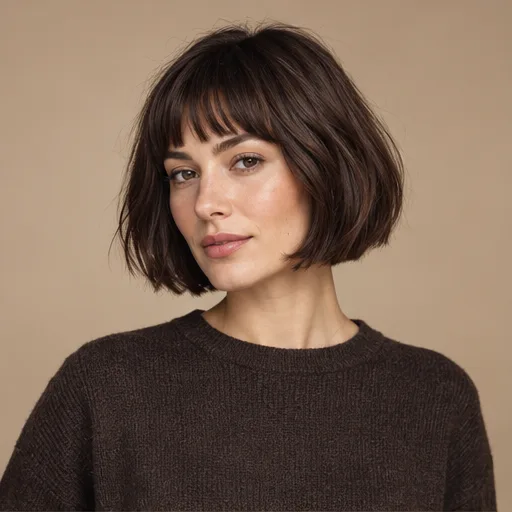
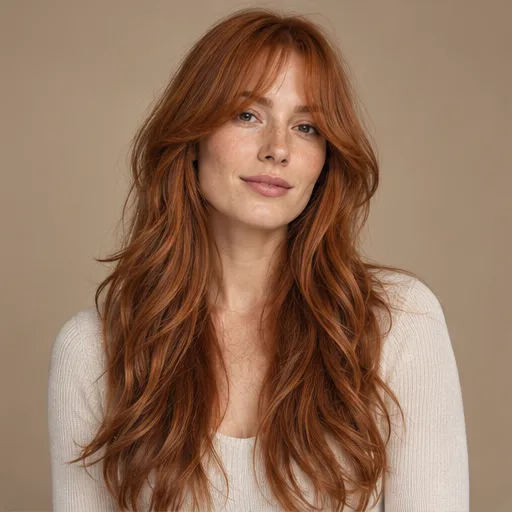
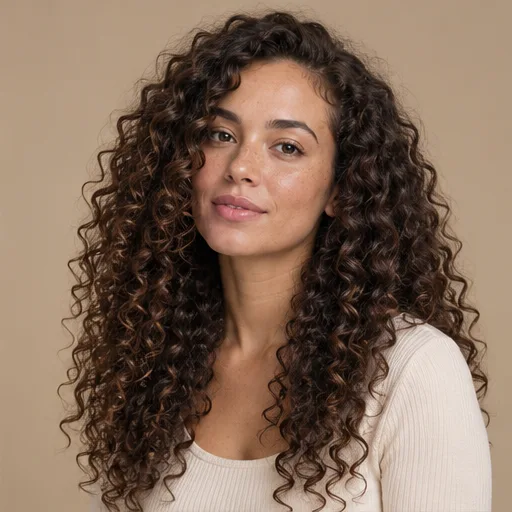
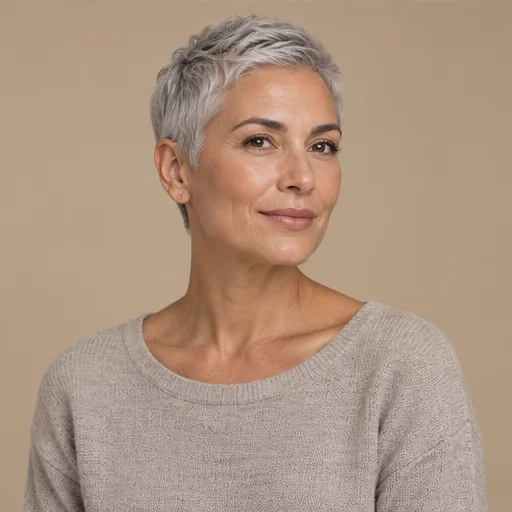
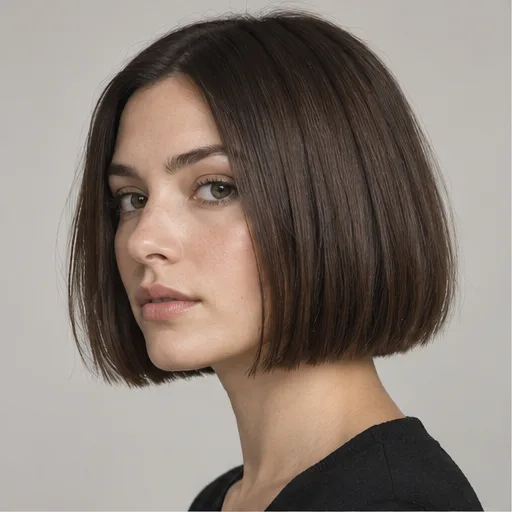
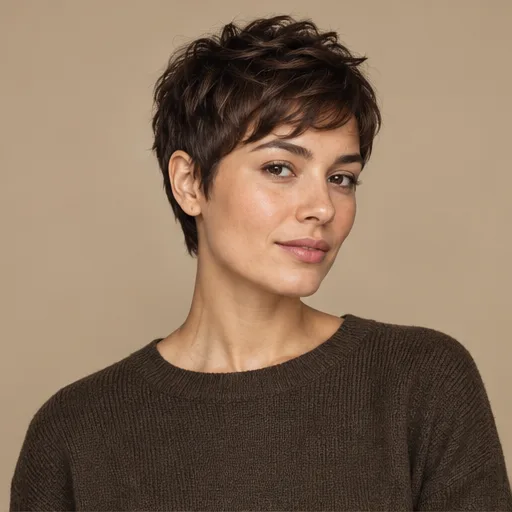
Concept references for shape and placement. Use the differences you like in your consultation; these are not step-by-step results or predictions for your hair.
Compare your options
Blunt or softly edged bob
A shared lower line gives the ends a clear shape. Choose the landmark you like rather than a rule that fine hair must be short. A crisp finish may need direction if your hair naturally bends.
Ask about: Keep enough hair together at the edge to achieve this outline, with minimal unnecessary texturizing.
Longer lob with restrained layers
This retains more length while limiting how much is removed from the lower section. It suits someone who values tying back and a substantial edge over dramatic movement.
Ask about: Keep these sections reaching my ponytail and add layers only where they serve a clear purpose.
Soft pixie or crop
A shorter silhouette shifts attention from the long ends to the overall shape. It can reduce the length you handle, but its fringe and perimeter still need to follow your growth pattern.
Ask about: Show me a soft short shape in my natural finish, including the crown and front direction.
Fine waves or curls with a measured shape
Retain the texture you enjoy while agreeing how much fullness stays at the bottom. Avoid choosing by curl pattern alone; density and the dry outline matter too.
Ask about: Support my normal texture without removing more from the ends than this silhouette needs.
Name the actual problem you want to solve
Instead of asking only for a fine-hair cut, explain what happens. Perhaps the ends look sparse, the crown lies flatter than you like, a part becomes wider as the hair separates, or a heavy fringe takes too much hair from the sides. Those are different design questions. A photograph of your ordinary dry hair helps your stylist see the issue you mean.
Choose a visual priority. A denser-looking perimeter, lift near the roots and loose movement through the lengths do not always come from the same approach. Ask which priority the proposed cut addresses and what the tradeoff will be elsewhere. A haircut can change the apparent outline; it does not add new hair.
Preserve enough hair where you want fullness
A blunt or softly rounded outline keeps more lengths arriving at the same edge. That can be useful when you want the bottom to look coherent. It does not mean every person with fine hair needs a bob. A longer cut with restrained layering can preserve a similar principle while retaining the length you enjoy.
Layers may create movement, but they also change which strands reach the bottom. Ask for the shortest layer to be shown and for an explanation of the remaining perimeter. If your hair is fine and abundant, targeted shaping may still be useful. If density is limited through the ends, extensive texturizing may work against the edge you wanted. Avoid treating either layers or thinning as an automatic solution.
Let the natural pattern guide the finish
Fine straight hair often makes a precise outline visible, so compare a solid lob with a soft crop rather than assuming you need teased volume. Fine waves or curls may benefit from a shape that supports their movement, but the shortest pieces should still fit the silhouette you want. Tell the stylist whether you normally define your texture or wear a brushed finish.
Ask for an ordinary styling demonstration using a modest amount of product. If the ends look separated or coated, the useful adjustment may be how much is used rather than a new haircut. If you want root lift, ask how it is created and whether you are willing to repeat that step. A large salon blowout should not be presented as the automatic appearance of the cut.
Choose the next step without overcorrecting
If you are uncertain about a major cut, discuss a smaller perimeter adjustment first and review the dry result before adding more layers. You can ask to preserve the front or avoid a heavy fringe. This gives the consultation a sequence: establish the edge, check the shape, then decide whether anything else needs to change.
During grow-out, watch how the bottom behaves and whether the shortest sections are catching up. A maintenance trim should support your goal, not repeatedly restore layers you are trying to leave behind. Ask which pieces can be left alone and what specific change would make the next stage feel more deliberate.
Separate styling concerns from new hair loss
Fine strands are a hair characteristic, but a new widening part, bare patch or sudden shedding deserves a different conversation. A haircut can alter the silhouette without explaining the cause. The American Academy of Dermatology describes these as signs that can accompany hair loss; seek qualified healthcare advice rather than treating them only as a styling problem. aad.org source
- Describe whether your concern is strand fineness, density or a recent change.
- Bring an everyday photo as well as the desired style.
- Ask how much perimeter will remain after layering.
- Judge the result in the finish you can repeat at home.
Take this to your appointment
A starting point for your brief
My strands are ___ and my density concern is ___. I want a more substantial-looking ___ while keeping ___. Please show how much hair will remain at the perimeter, explain any layers or texturizing, and demonstrate the result in my everyday finish.
Use this in my briefAdapt the wording to your own hair, preferences and history.
Common questions
Should fine hair always have no layers?
No. The amount of hair, natural pattern and desired outline matter. The useful question is what each layer achieves and how much fullness remains at the perimeter, rather than banning or requesting layers automatically.
Is fine hair the same as thinning hair?
No. Fine describes strand diameter. Thinning describes a change in density or coverage. If you notice a new change, ask a qualified healthcare professional rather than assuming a different haircut will explain it.
Sources & further reading
Sources accessed 3 October 2026. These publishers have not reviewed this guide. Our editorial standards explain our method.