Salon preparation
Build a salon brief that explains what you actually want
Prepare reference photos, hair history, styling limits and a clear cut or color brief so your salon consultation produces an agreed plan.
Upkeep: Agree which changes will signal a useful return visit: fringe position, perimeter shape, regrowth or an installation need. Ask for a maintenance plan specific to the service you choose.
Effort is a planning estimate. The specific option and your routine change the commitment.
The starting point
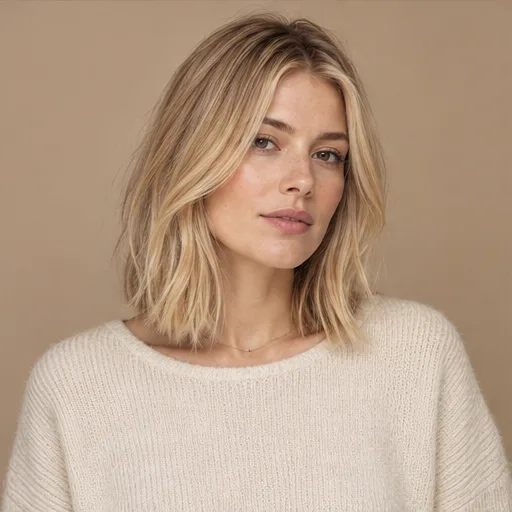
A productive consultation connects three things: the result you like, the hair you are starting with and the routine you are willing to maintain. Bring a small set of purposeful references, explain what you like and dislike in each, and agree the important details before the service starts. A hairstyle name can open the discussion, but it should not be the final specification.
Compare your options
A small shape adjustment
Useful when you mostly like the current cut but want a different fringe, perimeter or weight placement. Define the area to change and the areas to preserve so the service does not become an unintended full redesign.
Ask about: Change this specific feature while keeping these other lengths and functions.
A major length or silhouette change
Useful when the intended result differs substantially at the crown, sides or nape. Side and back references, shortest-point agreement and a grow-out discussion are especially valuable.
Ask about: Explain what I will lose in length or styling options, and show the next shape if I grow it out.
A color or placement change
Useful when brightness, depth or contrast is the main goal. Starting color and history influence the plan, so separate the desired visual effect from assumptions about the service needed.
Ask about: How can we approach this effect from my current hair, and what regrowth and upkeep should I expect?
A routine-first consultation
Useful when your main problem is maintaining the finish rather than disliking the shape. A simpler styling method or a small structural change may address the need without a dramatic cut.
Ask about: Show me the smallest change that makes this routine easier, with tools and effort I can repeat.
Give each reference a job
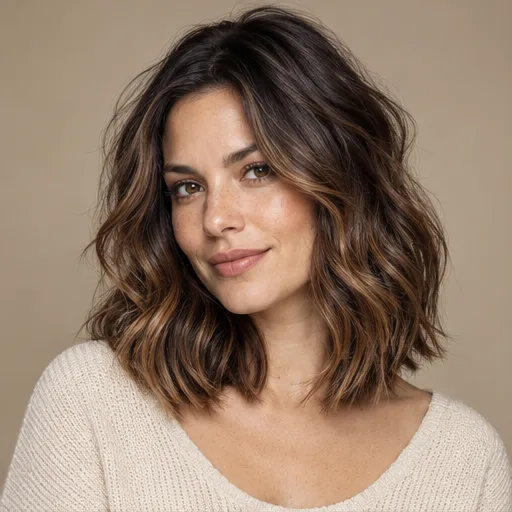
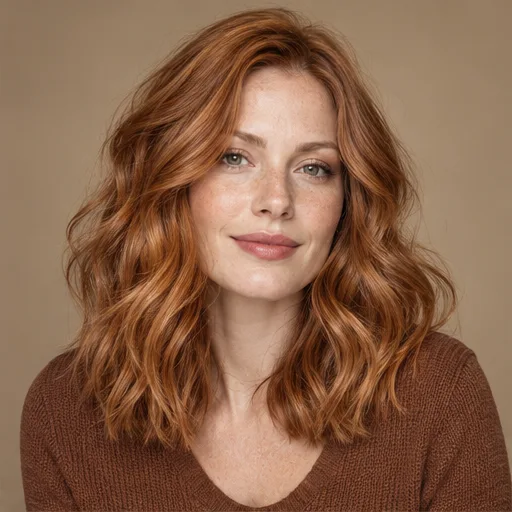
Choose one image for the overall shape, another for the texture or finish and another only if it adds a genuinely different detail. A front view cannot explain the nape, graduation or an undercut, so include a side or back view when those features matter. Look for a reference that helps communicate your ordinary texture rather than only a highly styled result.
Write a short note for each: I like the front length, I want less layering than this, or I like the color placement but not its brightness. Also bring a photograph of your own hair after a normal routine. This helps separate the intended change from things that have been created by styling, lighting or a different amount of hair.
Describe your starting point honestly
Explain how your hair behaves: the part you use, sections that grow in a particular direction, mixed curl patterns, density concerns and what usually frustrates you. Do not feel required to diagnose the cause. Describe observable behaviour and let the appropriate professional assess it.
For color or chemical services, bring as much recent history as you can: salon color, home dye, lightening, straightening or perming, including approximate dates when known. Mention previous reactions and areas of irritation. If you do not know a product or process, say that rather than guessing. Uncertainty is useful information for the colorist.
The FDA advises following hair-dye directions and skin-test instructions each time, avoiding dye on an irritated or damaged scalp and recognizing that a negative test cannot guarantee no reaction. A consultation does not replace those precautions. fda.gov source
State your non-negotiables and your flexible choices
Useful boundaries are concrete: the front must tuck, the sides must not be clippered, the hair must reach a low ponytail, or I want to keep enough length for these braids. Show the action if possible. A vague request to keep it long can still leave you unhappy if the shortest front pieces change dramatically.
Then state what is flexible. You might be open to a different fringe, a subtler angle or less contrast in the color. This gives the stylist room to adapt the idea without guessing where your priorities lie. If a major proposal changes one of your boundaries, ask to revisit the plan before proceeding.
Agree the routine and service commitment
Explain your ordinary mornings, wash days and appointment availability. Separate the time you will actively style from the time hair can dry or set. Say which tools you own and enjoy using. A reference that needs daily directed drying may be a poor match for someone who wants an air-dried finish, even if the length is convenient.
For color, discuss what regrowth will look like and which parts may need ongoing attention. Ask for a service estimate from the provider and what could change it. Do not rely on universal online prices, visit intervals or promises about how many sessions a transformation will take. The consultation should identify the variables in your own case.
Confirm the plan in plain language
A clear agreement is not a guarantee that hair will duplicate a photograph. It is a shared description of the goal and the decisions being made. You can ask for a more conservative first step when the uncertain detail is length, fringe or contrast.
- Ask the stylist to describe the intended dry length and shortest layer or fringe.
- Confirm the side and back shape, including any close clipping or undercut.
- Identify which parts of the reference will be changed for your hair and why.
- Agree the ordinary finish and the maintenance or grow-out direction.
- For color, confirm the intended placement, contrast and realistic starting-point limits.
- Pause before a significant change if your understanding and the proposed plan differ.
Leave with usable information
Ask for a demonstration of the step that matters most to the result, and try it yourself if possible. Note the order of the routine and how to recognize when the shape needs refreshing. If you have a concern after trying the cut at home, contact the salon with a specific description and an ordinary dry photo if you are comfortable sharing it.
If you notice sudden shedding, a new bare patch or scalp discomfort with hair loss, keep that separate from the aesthetic consultation and seek qualified healthcare advice. The American Academy of Dermatology outlines signs that merit assessment; a haircut cannot explain their cause. aad.org source
Take this to your appointment
A starting point for your brief
My main goal is ___. I like ___ in my references and do not want ___. My current hair and recent services are ___. Keep these functions: ___. I will style ___ and can maintain ___. Please explain the adapted plan, shortest points, ordinary finish and next stage before starting.
Use this in my briefAdapt the wording to your own hair, preferences and history.
Common questions
How many reference photos do I need?
Enough to explain distinct decisions, rather than a large album of contradictory looks. Give each photo a job and annotate what you like. Include a side or back view when the hidden shape matters.
What if I do not know the right haircut terms?
Use landmarks and actions: at my jaw when dry, enough to tuck, no clipped sides, or a fringe I can pin away. Ask the stylist to translate the terminology back into those concrete details.
Sources & further reading
Sources accessed 3 October 2026. These publishers have not reviewed this guide. Our editorial standards explain our method.