Hair care basics
Heat styling: choose the finish with less repetition
Plan blow-dryer, flat-iron and curling-tool use with dry-hair preparation, lower settings, realistic limits and heatless alternatives.
Upkeep: Limit repeated heat contact, keep equipment and product instructions available and maintain a comfortable fallback finish that requires less manipulation.
Effort is a planning estimate. The specific option and your routine change the commitment.
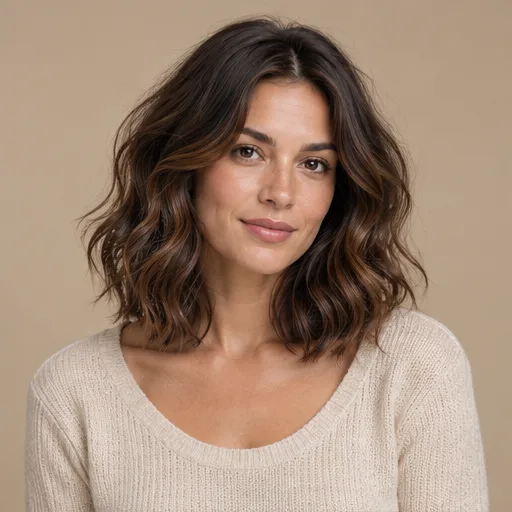
The starting point
Use heat for a clearly defined part of the style, with the lowest effective setting and as little repeated contact as practical. There is no temperature or product that makes every tool routine harmless for every head of hair.
General styling precautions. This guide cannot assess damage, set a personalized temperature or recommend treatment for scalp symptoms.
Compare your options
Targeted finishing
Use a tool only where it changes the look you care about, such as the fringe or ends. This limits unnecessary repetition.
Ask about: Can you show me which sections I can leave alone?
Occasional full restyle
Choose a complete blowout or texture change when you want that finish and can prepare carefully. Avoid treating it as an obligation.
Ask about: What is the least repetitive way to create this on my hair?
Heatless alternative
Creates a different route to bends, volume or a pinned-up shape. Comfort, suitable accessories and realistic expectations still matter.
Ask about: Which no-heat finish works with my current layers?
Decide what the heat is meant to change
Name the outcome before switching on a tool: smoother roots, a turned-under perimeter, a few bends around the face or a full change in texture. If you only want movement at the ends, you may not need to heat-style every section. A precise goal makes it easier to stop when you reach it.
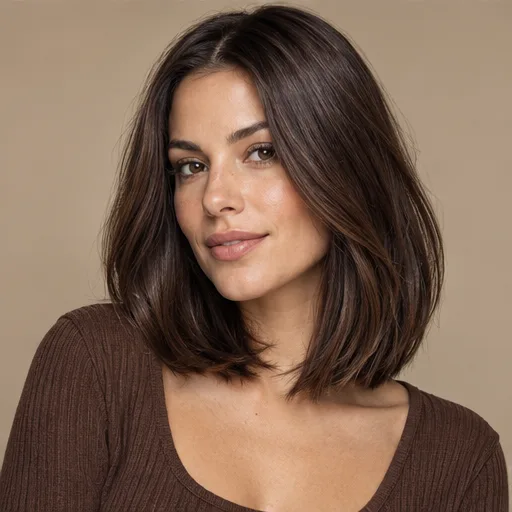
Look at the haircut and the reference finish together. A round-brush bob, a flat-ironed bob and a naturally dried bob can have the same cut but different silhouettes. Choose the version you are willing to create regularly rather than expecting the cut to perform every finishing step by itself.
Use the basic precautions as the starting point
The American Academy of Dermatology recommends lower heat, dry hair for flat irons and less frequent use of heat tools. Excessive heat can damage hair across textures. Follow your tool and product instructions rather than borrowing a stranger’s temperature setting. aad.org source
A heat-protection product is not permission to repeat a tool indefinitely. Follow its directions, check whether it is intended for your styling method and let the overall routine remain restrained. If you are unsure about previously processed or fragile hair, ask a qualified stylist before using more heat.
Choose equipment you can handle without rushing or touching hot parts. Check the cord and placement, keep the working area dry and follow the manufacturer’s electrical and burn precautions. A tool that is awkward to maneuver may be a poor choice even if you like its finished look.
Make the process deliberate
Prepare a mirror, clips and a stable place for the tool. Divide the hair into sections you can see and handle. Start with the least demanding version of the finish and inspect it before deciding to do more.
- Read the tool and styling-product instructions, including starting-hair requirements and safe handling.
- Prepare the hair for the chosen method. For a flat iron, the hair should be dry.
- Choose a low effective setting and work in controlled sections without holding a hot surface in place longer than necessary.
- Stop after creating the intended shape and inspect the result. Re-section an area if the method was awkward instead of automatically increasing heat.
- Let the style settle, then make any final changes gently. Switch off and store the tool safely after it cools.
Adapt the goal to your hair
Fine strands do not automatically mean little hair, and dense hair does not automatically require the highest temperature. Sectioning, the chosen finish and the condition of the hair all matter. Ask a stylist to demonstrate a manageable approach on your actual cut.
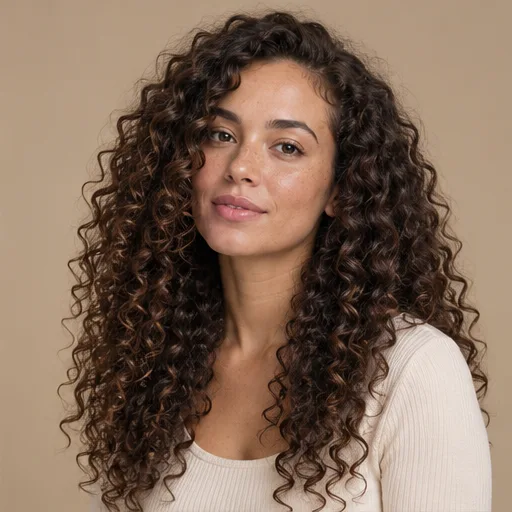
For waves, you may choose to refine only a few sections instead of replacing the entire pattern. For curls and coils, decide whether you want a full stretched finish or a small adjustment. Aiming for an exact straight finish each day creates a different routine from occasionally changing the outline.
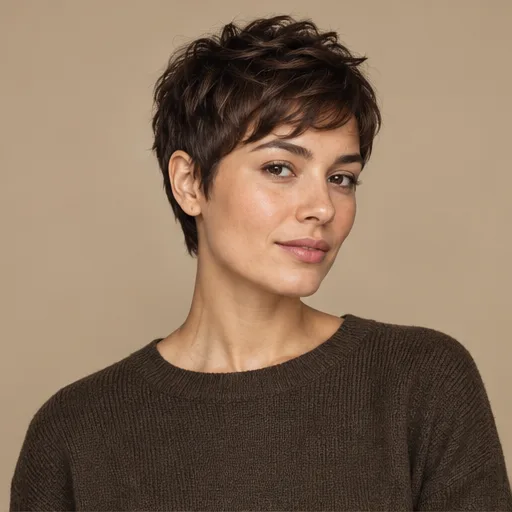
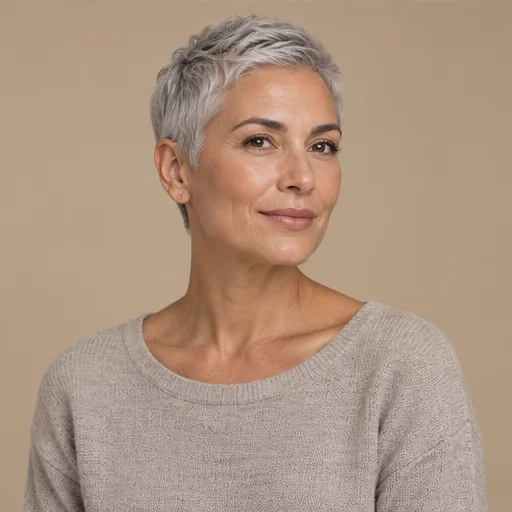
For short cuts, use particular care around the ears, neck and hairline. If the tool is too large to maneuver comfortably, choose another finish or ask for a demonstration. A loose side sweep or a product-led texture can solve a styling problem without forcing a hot tool into a tiny section.
Have a stopping point and a fallback
If an area is not behaving as expected, stop and consider the cause: section size, residual moisture, product choice or an unsuitable target. Do not keep increasing heat to compensate for uncertainty. Ask a stylist to help if the same area repeatedly demands more effort.
Alternate with finishes that do not require heat when they suit you. Loose braids, a comfortable roller set, a part change or an updo can offer variety, but they should not create tension to compensate for the absence of heat. Heatless is a method description, not a guarantee of damage-free styling.
If new breakage, scalp discomfort or hair loss concerns appear, move from experimenting to getting appropriate advice. The breakage-and-shedding guide explains what information to gather without trying to diagnose yourself.
Take this to your appointment
A starting point for your brief
I want heat mainly for [feature]. This is my usual texture, color history and current tool. Please demonstrate a suitable approach, explain the starting condition and show a fallback finish that takes less manipulation.
Use this in my briefAdapt the wording to your own hair, preferences and history.
Common questions
What is the safest temperature for my hair?
This guide cannot set an individual temperature. Tool instructions, condition and the intended finish matter. Start low, avoid repeated contact and ask a qualified stylist about a suitable approach for your hair.
Is air-drying the only acceptable way to style?
You can choose different drying and styling methods. The practical aim here is a comfortable, restrained routine with less unnecessary heat and handling, not a requirement to wear one finish forever.
Sources & further reading
Sources accessed 3 October 2026. These publishers have not reviewed this guide. Our editorial standards explain our method.