Salon preparation
Grow out a haircut with a next shape in mind
Plan pixie, fringe, undercut and layered grow-out with useful checkpoints, length priorities and styling options for each stage.
Upkeep: Protect the sections that need to catch up. Any trim should serve the next shape, with an explicit tradeoff between retaining maximum length and creating a more even outline.
Effort is a planning estimate. The specific option and your routine change the commitment.

The starting point
Growing out a haircut is easier to plan when you choose the next shape, not only a distant final length. Identify which sections need to catch up and which areas make the current outline feel awkward. Then decide what to preserve, what to reshape and how to style the transition. A trim should have a specific purpose that supports the goal rather than automatically recreating the original cut.
Compare the visual directions
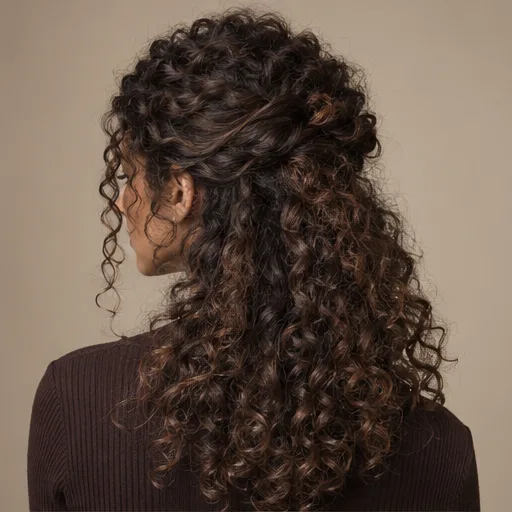
Concept references for shape and placement. Use the differences you like in your consultation; these are not step-by-step results or predictions for your hair.


Compare your options
Pixie toward bixie and bob
Preserve the top and side length needed to connect the silhouette while discussing whether the nape needs shaping. A bixie can make a useful intentional stage. Repeatedly shortening the top restores the pixie rather than moving toward the next outline.
Ask about: Keep the top and these side pieces growing; shape only what helps this next silhouette.
Fringe toward a longer face frame
Let the shortest front pieces lengthen while considering a side sweep or a more open curtain shape. Agree whether any reshaping helps the transition and which pieces must not be trimmed back to the original line.
Ask about: I am growing the fringe, so preserve this length and show a comfortable way to move it away.
Undercut toward a connected shape
The shorter area needs time to join the lengths above it. Decide whether to expose the transition, cover it with longer hair or adjust the main outline. Do not assume it will reconnect immediately just because the top remains long.
Ask about: Explain how this shorter section can connect and which temporary outline would make that stage feel intentional.
Heavy layers toward a fuller perimeter
Keep the shorter layers while deciding how much of the longest edge to adjust. A gradual approach preserves more length; a larger perimeter change can create a more unified shape sooner.
Ask about: Let these layers catch up and show the tradeoff between keeping length and making the edge more solid.
Make a map of what needs to grow
Name the shortest sections and the final shape you want. A pixie moving toward a bob needs the top and sides to connect differently from an undercut growing into a longer overall style. A fringe has a different journey from heavy crown layers. The longer pieces do not all need to stay untouched, but any shortening should be an intentional tradeoff.
Use a photograph of the current dry cut and a reference for the next achievable stage. The next stage might be a bixie, a softer bob, a side-swept fringe or a less dramatic layered outline. A good intermediate shape can be worth choosing in its own right, rather than treating every month as a waiting room for the final result.
Protect the sections that need to catch up
Tell the stylist clearly which pieces should keep their length. Asking for a tidy-up without explaining the grow-out goal can lead to the crown, fringe or undercut being shortened again. Ask what will be removed and why before the trim begins.
There may be a choice between retaining maximum overall length and creating a more even outline sooner. For example, bringing a long lower section upward can make a heavily layered cut feel more solid while shorter areas continue growing. That is a preference decision, not a mandatory step. Compare both options before sacrificing length you still value.
Choose styling that suits the current stage
A changed part, an ear tuck, a small clip or a half-up arrangement can make transitional lengths feel deliberate. Test what reaches comfortably rather than pulling shorter pieces tightly into a style they barely reach. For a growing fringe, a diagonal sweep or pinned opening may work before a full tuck is possible.
On waves, curls and coils, assess the transition in the dry finish you usually wear. Visible length may change with definition, expansion or stretching, so compare like with like when reviewing progress. If you alternate finishes, decide which outline matters most and ask how to keep the other manageable without repeatedly shortening the sections you are growing.
Use functional checkpoints instead of promises
Useful milestones are actions: the fringe can pin away, the sides tuck, the top connects to the back, or the hair reaches a low ponytail. These are more practical than a guaranteed date based on a generic growth estimate. The timing depends on the starting cut, the length needed and what is removed along the way.
Record an occasional photograph in the same part and ordinary finish if you find it helpful. Notice the shape and new styling options rather than measuring every day. At an appointment, compare the current stage with the agreed next shape and decide whether a targeted adjustment is actually needed.
Keep care gentle during the transition
Longer or newly connecting sections can be frustrating to arrange, but avoid using increasingly tight styles or repeated aggressive handling to force a smooth outline. The American Academy of Dermatology advises gentle washing, conditioning and handling, including avoiding hard towel rubbing and tugging. aad.org source
If a gathered style pulls, hurts or stings, loosen or remove it. The Academy warns that repeated tension can cause traction hair loss. A short piece that will not reach should be clipped or left out rather than painfully dragged into place. aad.org source
Know when the question is bigger than the haircut
If you are worried because hair is suddenly shedding or changing in coverage, do not assume a different trim schedule explains it. The American Academy of Dermatology identifies a widening part, bare patches and sudden shedding among signs of hair loss. Seek qualified assessment rather than trying to diagnose the cause through styling. Our breakage-and-shedding guide explains the boundary. aad.org source
For an ordinary grow-out, the key is consistency of direction. You can change your mind and keep an intermediate cut you like. Update the salon brief when the goal changes so the maintenance plan reflects your current preference, rather than a length target you no longer want.
Take this to your appointment
A starting point for your brief
My current shortest sections are ___ and I am growing toward ___. The next shape I want is ___. Preserve length at ___; only adjust ___ if it supports that direction. Show me a practical transitional finish and use these functional milestones to plan the next appointment: ___.
Use this in my briefAdapt the wording to your own hair, preferences and history.
Common questions
Should I stop every haircut while growing it out?
Not necessarily. A targeted shape adjustment can make the transition more comfortable, but it removes some length. Agree the purpose and protect the sections that need to catch up rather than automatically repeating the original cut.
How long will it take to reach my goal?
A precise promise is not useful without assessing your starting lengths and chosen shape. Plan around functional milestones and review progress with your stylist, including how much length is removed during maintenance.
Sources & further reading
Sources accessed 3 October 2026. These publishers have not reviewed this guide. Our editorial standards explain our method.