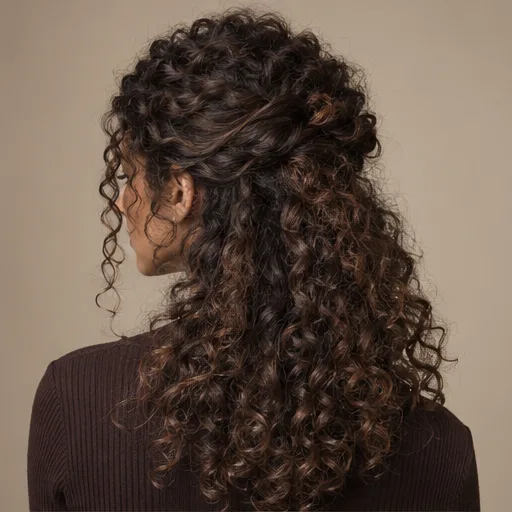
Styling how-tos
Define curls and coils while keeping the shape you want
Build a curl-definition routine with sectioning, product placement, air-drying or diffusing, and fixes for flat roots or uneven definition.
Upkeep: Plan the full definition routine around wash days and use selective refreshes between them. The haircut outline and any installed style have separate maintenance needs.
Effort is a planning estimate. The specific option and your routine change the commitment.
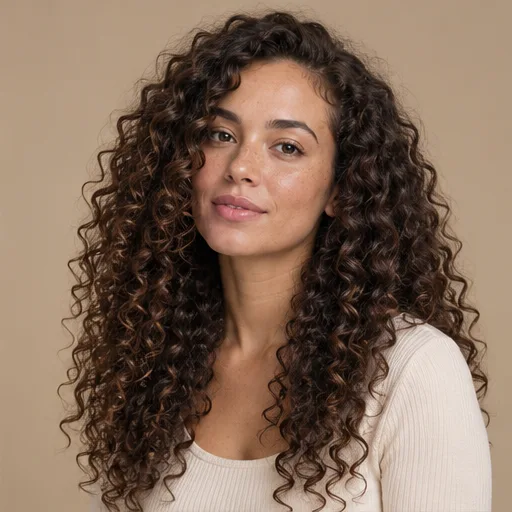
The starting point
Curl definition means grouping strands into visible shapes; it does not require every curl to match. Choose your priority first: separate definition, fuller volume, a longer-looking outline or a compact shape. The routine below helps you control placement and drying while leaving room for your hair's natural variation.
Compare the visual directions
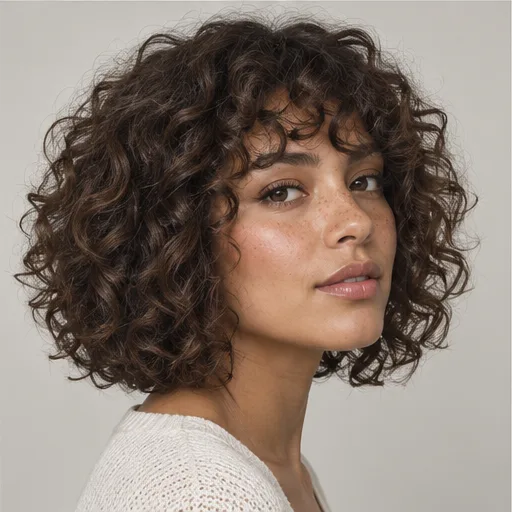
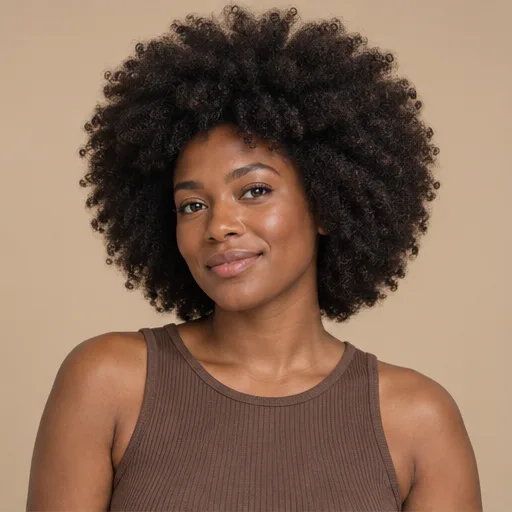
Concept references for shape and placement. Use the differences you like in your consultation; these are not step-by-step results or predictions for your hair.
Compare your options
Air-dried natural grouping
Good when you want fewer tools and can leave time for drying. The roots may sit closer to the head, and the drying period can be long. Arrange the initial part carefully because handling later changes the groups.
Ask about: How will this haircut fall if I leave my curls to dry without lifting the roots?
Diffused volume
Useful when you want more control over drying and root placement. Airflow and handling can make the finish fuller. A little surface softness may be preferable to pursuing a completely uniform outline.
Ask about: Can you show a diffuser routine that gives volume without repeatedly disturbing the ends?
Selective definition
Define the fringe and outer sections while keeping the interior fuller. This is a deliberate mixed finish, suited to someone who values shape more than matching curl pieces throughout.
Ask about: Which sections determine my silhouette, and which can be left softer?
Prepare the hair and your time
Start after cleansing and conditioning with hair detangled in manageable damp sections. Gather clips, your usual leave-in or styler, a wide-tooth comb or suitable detangling brush, and a soft towel. A diffuser is optional. Check the product's directions for whether it belongs on wet or damp hair; combining several unfamiliar products at once makes it harder to understand the result.
Set aside an estimated 15–30 minutes for application and shaping. Drying is separate: air-drying may take several hours, while diffusing can add around 20–45 minutes or more depending on density, length and settings. These are planning estimates, not targets you need to force. Check roots and interior sections before calling the hair dry.
Detangle gently while damp for tightly curled textures; AAD explains this distinction at aad.org source. Work from the ends upward rather than dragging a tool through an entire knot.
A section-by-section definition routine
Work with enough sections that you can reach the underside as well as the surface. Begin with a small amount of product; compare the result at the next wash rather than piling on more now.
- Place the part and lightly separate the hair into working sections. Keep roots in their intended direction so the finish does not depend on moving a fully set part later.
- Release a section and check its moisture. If it has dried while you worked elsewhere, mist enough water to restore pliability. Detangle any remaining snag before applying hold.
- Spread the product through your hands, then smooth it through the section. Reach underneath as well as on top. Distribute through the lengths without scraping at the scalp.
- Let the hair gather naturally. For waves, cup the ends and scrunch upward. For curls, smooth or guide individual groups. For coils, use smaller sections and choose individual definition or fuller groupings.
- Repeat around the head. Arrange the fringe and face-framing pieces where you want them. Blot excess drips without repeatedly compressing or roughing up the surface.
- Air-dry with minimal handling, or diffuse on a comfortable lower heat and airflow setting. Move between areas. Once completely dry and cool, gently soften a firm product cast with dry hands if desired.
Adapt definition to the outline
For fine wavy hair, heavy cream can change the silhouette more than you intended. Try a lighter application and larger natural groups before assuming you need stronger hold. On dense curly hair, incomplete distribution at the back can leave a defined surface covering less organized interior hair; work in horizontal bands so you can reach it.
For coils, the wet outline may differ greatly from the dry outline. Judge length and balance only after drying, and discuss dry length when planning a cut. Definition and volume can trade off: separating every dry grouping adds fullness but changes the finish. Short coils can be shaped with fingertips without being pulled into long sections. Existing locs follow a different maintenance routine.
Troubleshoot one variable at a time
A flat crown may need different root placement rather than more product at the ends. Uneven definition may reflect different patterns on the same head; style those sections individually instead of repeatedly forcing them to match. A crunchy finish can be an intentional holding stage, but wait until fully dry before deciding whether to soften it.
White residue may appear when products or amounts do not work together. At the next wash, simplify the combination and follow label directions. If the hair is still sticky or coated, a reset wash may be more useful than another refresh. Keep a note of starting dampness, product amount and drying method so the next experiment changes only one thing.
Take this to your appointment
A starting point for your brief
I want my dry hair to look ___: more defined, fuller, or more elongated. I usually style with ___ and allow ___ for drying. Please assess my pattern in more than one area, explain where the cut places volume, and demonstrate the smallest useful sectioning routine.
Use this in my briefAdapt the wording to your own hair, preferences and history.
Common questions
Should every curl look identical?
No. Different sections can form different patterns. Aim for a balanced overall shape and a routine you can repeat.
Can I separate curls while damp?
You can arrange them during application, but repeated separation during drying changes the groups. Wait for full drying before deciding how much extra volume to create.
Sources & further reading
Sources accessed 3 October 2026. These publishers have not reviewed this guide. Our editorial standards explain our method.