Texture & density
Coily haircuts: choose the shape in the finish you wear
Plan rounded afros, tapered shapes and longer coily cuts around shrinkage, density, preferred styling and the length you want to keep.
Upkeep: Maintain the outline in the finish you wear most. A close taper needs separate perimeter attention; a fuller shape can keep growing while selected areas are refined.
Effort is a planning estimate. The specific option and your routine change the commitment.

The starting point
Plan a coily haircut around the finish you intend to wear: a rounded natural shape, defined coils, a twist-out, a stretched style or a mix of these. Agree both the visible dry outline and the length you want to retain. Shrinkage is part of how coily hair behaves, not a defect that the haircut must remove.
Compare the visual directions
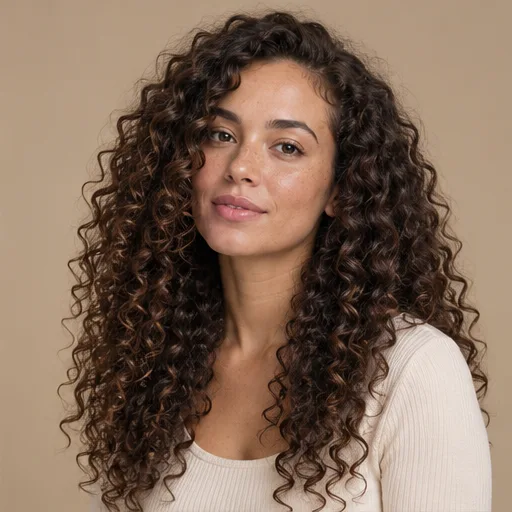
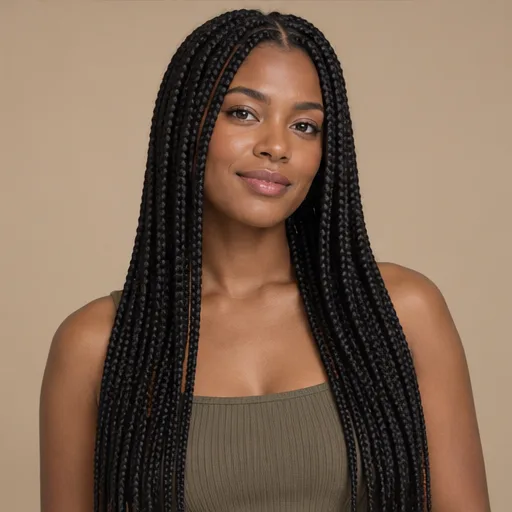
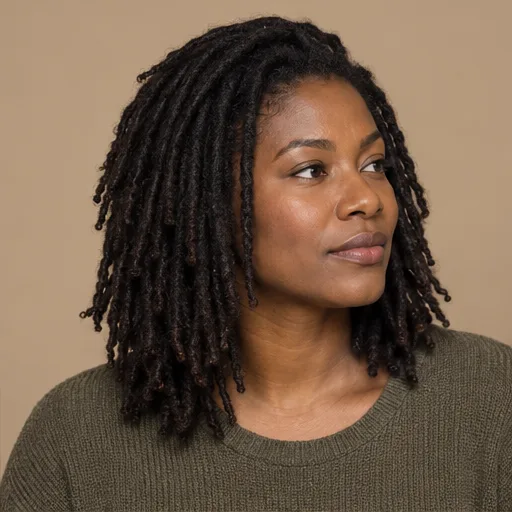
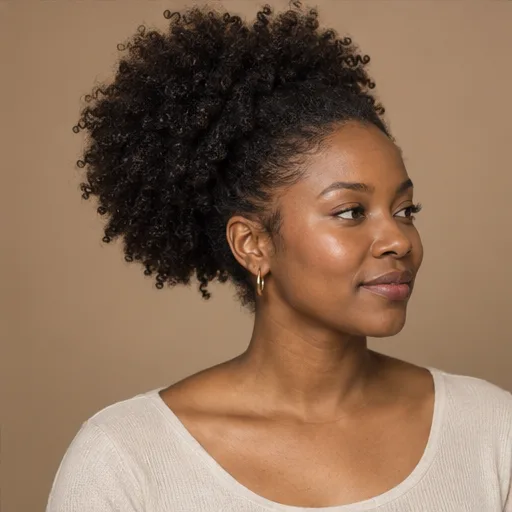
Concept references for shape and placement. Use the differences you like in your consultation; these are not step-by-step results or predictions for your hair.
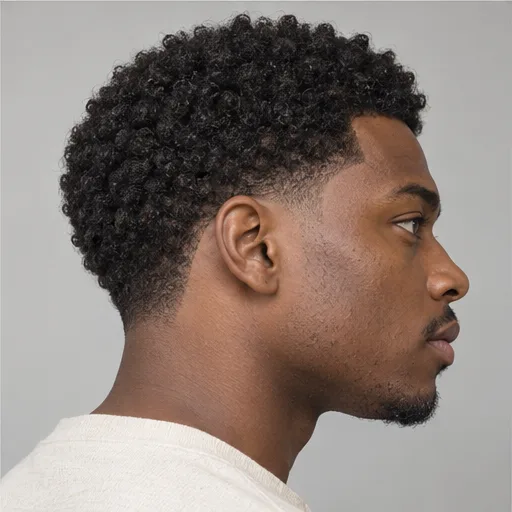
Compare your options
Rounded natural shape
Keep a deliberate distribution of width and height around the head. Choose how compact or expanded you want the everyday finish. The cut should support that shape without treating volume as something that must be removed.
Ask about: I want this dry rounded outline in my normal finish, with fullness retained here.
Soft tapered shape
Make the nape and sides more compact while retaining length and texture above. A soft taper differs from a close clipped section; decide how much coverage you want.
Ask about: Keep this amount of side and nape length and show how it connects to the top.
Longer coily silhouette
Preserve length while shaping the perimeter or selected areas. It suits someone who values twists, braids and gathered styles, provided the shortest sections still reach the desired arrangement.
Ask about: Retain enough length for these styles and explain the smallest shaping change that supports my dry outline.
Shape planned for twist-outs or stretched styling
Use the finish you wear most as a practical reference while considering how the hair also looks unstretched. This requires a conversation about the range of shapes you are comfortable with.
Ask about: My main finish is this; please explain how the same cut will look in my other usual state.
Choose the everyday state first
A rounded natural finish and a stretched twist-out can show different silhouettes even with the same haircut. Tell the stylist which state should be the main reference and which is an occasional variation. Bring photographs of your own hair in both if that helps. The goal is a useful compromise, not a promise that the edge will land at one landmark in every finish.
Explain how you normally define, separate or pick the hair, and whether you prefer a compact or expanded shape. Those actions affect the volume you see. A reference with a highly expanded finish may not describe the result of a tightly defined routine. Compare the outline and the styling process together.
Discuss shrinkage and retained length separately
Point to where you want the hair to sit in its normal dry state, then discuss the retained length that supports it. A stretched measurement alone does not establish the visible result. Different sections can contract or sit differently, so ask how the shape will be assessed across the head.
If length retention is a priority, identify what must remain: the ability to twist, braid, gather a puff or change the part. A compact tapered shape can remove significant length at the sides and nape even while the top stays long. Confirm that tradeoff before accepting it as a way to make the routine easier.
Choose where you want fullness
A rounded afro can keep width and height as deliberate features. An elongated shape puts more emphasis on vertical length. A taper concentrates visible fullness higher up while bringing the sides or nape closer. None is a required correction for a face shape or hair type; choose the outline that feels like yours.
Density and strand diameter remain separate from coil pattern. If you have a dense area behind the ears, ask about that area specifically. If coverage is lighter through a section, discuss preserving the shape there. Do not use a tighter coil pattern as a substitute for assessing how much hair is present or how the cut should be balanced.
Make the service and home routine practical
Ask the salon how to prepare and how it will show the result in your preferred finish. If a stretched state is required during part of the service, clarify when the everyday shape will be assessed. It is reasonable to request an explanation of the proposed method and examples of comparable work without expecting one method to suit everyone.
Build the home routine around manageable sections and the finish you chose. Use enough time for detangling and drying rather than forcing the hair to comply with a rushed schedule. If you wear a twist-out, tell the stylist how you section and separate it; if you wear a natural rounded shape, discuss the amount of expansion you normally create.
The American Academy of Dermatology advises gentle detangling and identifies different handling needs for tightly curled or textured hair. Avoid pulling through resistance simply to complete a styling step. aad.org source
Maintain the outline and preserve future options
Judge maintenance by the shape you want, not by treating every new bit of volume as a problem. You may want to refresh a taper while keeping top length, or let the sides grow toward a fuller rounded shape. State the next goal before a trim so shorter areas are not automatically recreated.
If you gather the hair into a puff or updo, comfort matters more than a perfectly tight outline. Repeated pulling can cause traction hair loss; the American Academy of Dermatology recommends changing styles that hurt or pull. Loosen or remove a painful style and seek qualified advice for new thinning. aad.org source
Take this to your appointment
A starting point for your brief
I mostly wear my coils ___ and sometimes ___. My priority is ___: a rounded shape, a taper, or retained length. Keep enough hair for ___ and agree the dry outline at ___. Please explain how you will account for different shrinkage and show the result in my main finish.
Use this in my briefAdapt the wording to your own hair, preferences and history.
Common questions
Does shrinkage mean the cut is wrong?
Not by itself. The visible length changes with the state and finish of coily hair. Agree the desired everyday dry outline and retained length separately, then assess whether the result matches those choices.
Can I have a taper and still wear protective styles?
Some arrangements may remain possible, but the shorter side and nape sections change what can be gathered or installed. Show the exact styles you want to keep before deciding how short those areas should become.
Sources & further reading
Sources accessed 3 October 2026. These publishers have not reviewed this guide. Our editorial standards explain our method.