Texture & density
Choose a curly haircut by its dry shape
Compare curly bobs, rounded layers, shags and longer shapes with clear questions about dry length, mixed patterns, fringe and daily definition.
Upkeep: Review dry length, fringe and the balance of fullness in your usual curl finish. A defined shag or bob needs different shaping from longer curls with a substantial perimeter.
Effort is a planning estimate. The specific option and your routine change the commitment.
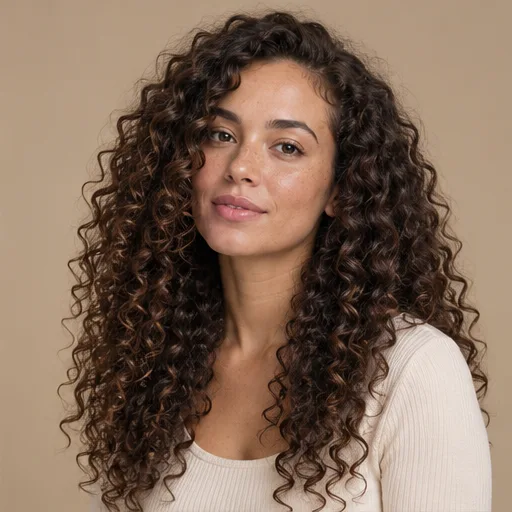
The starting point
Choose a curly haircut by the shape you want to see when your hair is dry and worn normally. Agree on the lower landmark, the balance of width and height, and the shortest face-framing pieces. Curl pattern, density and your definition routine all affect the result. A picture is most useful when it shows a similar finish, not merely a similar stretched length.
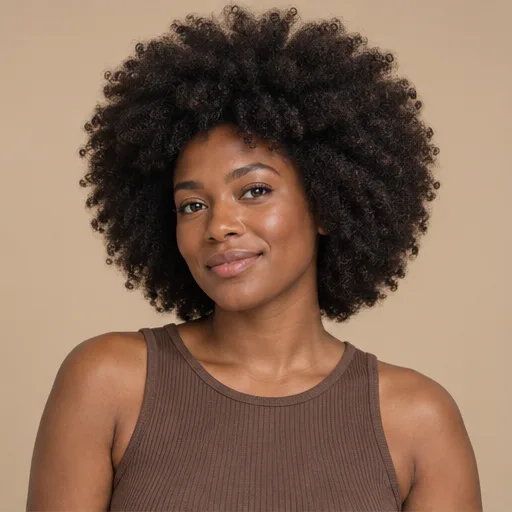
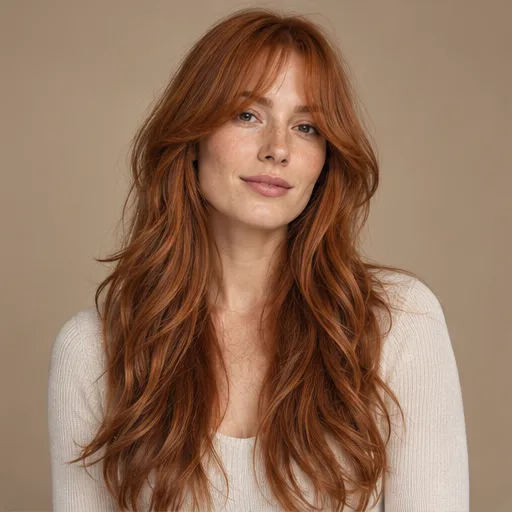
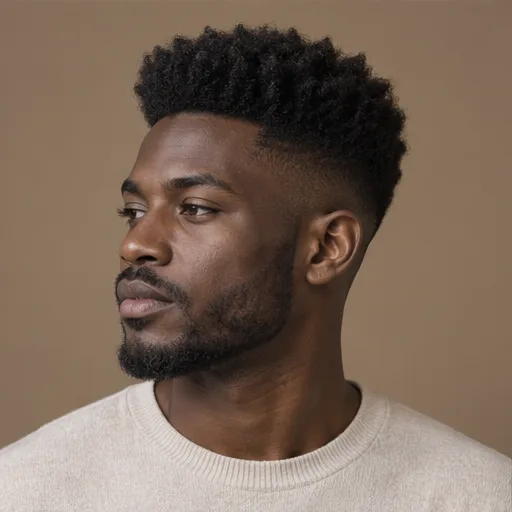
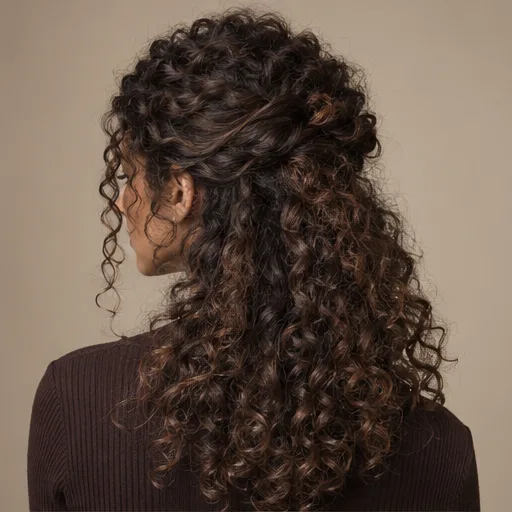
Compare the visual directions
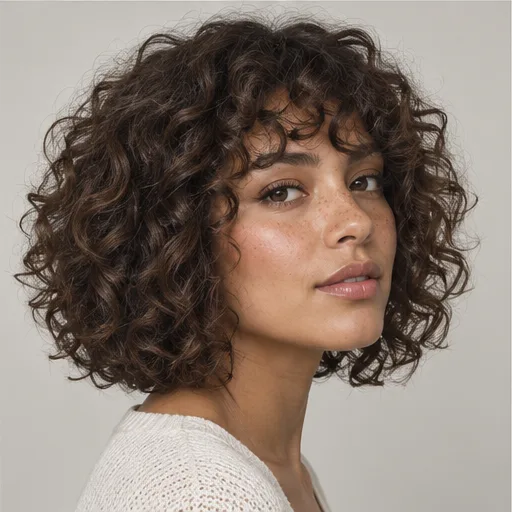
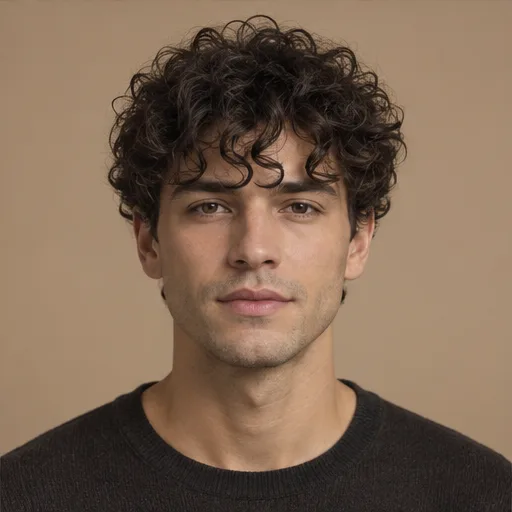
Concept references for shape and placement. Use the differences you like in your consultation; these are not step-by-step results or predictions for your hair.
Compare your options
Curly bob
A shorter overall outline creates a clear shape while retaining curls around the face. Decide whether the lower edge should feel full or whether layers should round it. Tucking and tying depend on the dry length of individual sections.
Ask about: Keep the dry outline at this landmark and show how much layering is needed for this shape.
Rounded layered curls
The silhouette spreads fullness around the head rather than concentrating it only at the bottom. Choose where you want the widest point and how much height you enjoy.
Ask about: I want this rounded balance, with these areas left long enough for my usual styling.
Curly shag with fringe
Shorter front and crown layers make movement and separation central to the look. It offers a distinct frame but requires clear agreement on the dry fringe and may leave more pieces out of an updo.
Ask about: Show the shortest dry crown and fringe pieces and explain the ordinary finish they need.
Long curls with selective shaping
Retain length and a more substantial lower edge while shaping only the areas that need it. This is useful when long styles and tying options matter more than an all-over layer change.
Ask about: Preserve my length and edge, and explain each area you would shape rather than layering everything by default.
Describe the finished silhouette
Start with the outline: rounded, longer and narrower, fuller toward the bottom, or tapered at the nape and sides. Then point to where the dry hair should end. A shoulder-length photograph can hide shorter layers inside, while a long outline can still contain a very short fringe. Ask the stylist to separate those decisions.
Show the shape from the side and back as well as the front. Decide whether you want fullness around the temples, cheeks or lower edge. There is no universal need to remove a triangular silhouette or create crown volume. Those are aesthetic preferences; the useful question is whether the proposed cut gives you the shape you enjoy.
Make mixed patterns part of the plan
Many people have areas that curl differently. Show the looser front, tighter nape or flatter crown if those are features of your hair. A single stretched length may not produce one even dry line. Ask how the stylist will account for that variation and when the shape will be checked in your usual finish.
Mention your part and whether you regularly switch it. A shape designed entirely around a fixed part may look different when moved. Also explain whether you wear defined curls, a brushed-out finish or occasional straight styling. A consultation should identify the priority finish rather than promise identical balance in every state.
Discuss the cutting approach without choosing a slogan
Some stylists work dry, some wet and some use a combination. Ask how their approach will help achieve your particular outline and how they check the finished result. The label alone does not tell you whether they understand your hair or preferences. It is reasonable to ask about their experience with similar patterns and to look at relevant examples they are authorized to show.
Follow the salon's preparation instructions, but bring photographs of your normal hair if it needs to arrive in a different condition. Explain product buildup, recent chemical services or changes in how the hair behaves so the stylist has useful context. Do not choose the shortest length while the hair is stretched unless you have also agreed what that means for the dry shape.
Give the fringe and layers their own limits
A curly fringe can be full, separated, side-swept or blended into longer front pieces. Specify how much forehead you want visible when dry. If the front curls are looser or tighter than the rest, say so. Ask to keep enough length for a first dry assessment before refining further.
Layers change where the curls form the silhouette. With low density, discuss preserving a substantial edge; with dense curls, discuss the location of width rather than removing bulk everywhere. Ask which pieces will still reach your usual ponytail, puff or clip. A layered cut can retain overall length while losing some of that practical reach.
Learn the baseline routine and adjust one thing at a time
At the appointment, ask to see a finish close to your normal routine. Establish the part, apply the amount of product demonstrated and define or arrange the hair in manageable sections. Allow it to dry before assessing the outline. Record the routine so you can distinguish a haircut issue from a different product amount or drying method at home.
The American Academy of Dermatology notes that tightly curled or textured hair needs a different detangling approach from straight hair and recommends gentle handling. Avoid forcing a comb through dry tangles to make the shape match a picture. aad.org source
For the follow-up, bring a dry photograph after your ordinary routine and identify the area you want changed. During grow-out, the aim may be to preserve shorter layers while refining the perimeter, rather than shortening every section again.
Take this to your appointment
A starting point for your brief
I normally wear my curls ___ with a ___ part. The pattern differs at ___. I want the dry edge at ___ and fullness concentrated ___. Keep the fringe and shortest layers long enough to ___. Explain your cutting and finishing check, then show a routine I can repeat.
Use this in my briefAdapt the wording to your own hair, preferences and history.
Common questions
Is a dry cut always the best curly cut?
There is no need to select by method alone. Ask how the stylist will account for your pattern, preferred finish and mixed areas, and how they will check the final dry shape.
Can I keep length and still change the shape?
Yes. The perimeter, front pieces and internal layers can be discussed separately. Agree what must remain long and ask how each proposed change affects fullness and tying options.
Sources & further reading
Sources accessed 3 October 2026. These publishers have not reviewed this guide. Our editorial standards explain our method.