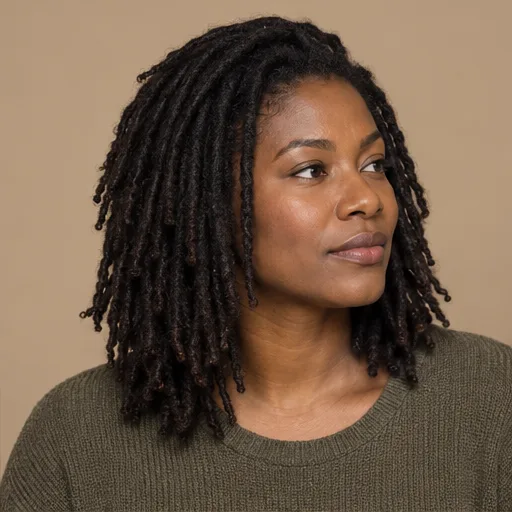
Men’s hair
Curly and coily men's hair: shape the top, then choose the edges
Choose a rounded curl shape, fringe or coily high-top, with dry-length planning, separate side and neckline choices, and a definition routine.
Upkeep: Assess upkeep in the ordinary dry shape. The side transition may need attention before the top needs shortening; agree which areas are being maintained at each visit.
Effort is a planning estimate. The specific option and your routine change the commitment.
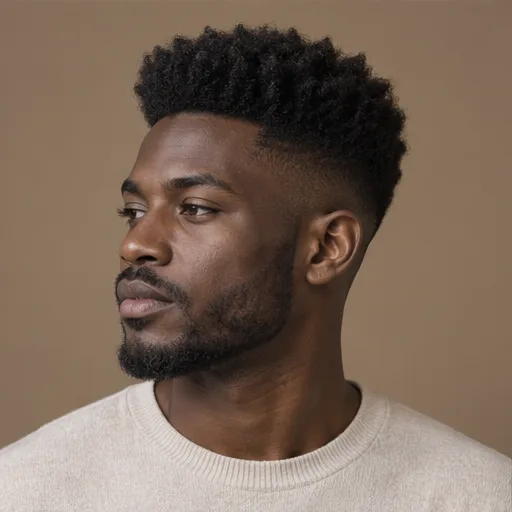
The starting point
Start with the dry curl or coil silhouette you want: rounded, forward at the fringe, taller on top or fuller all around. Then choose how the sides and neckline connect to that shape. A fade does not define the top, and a longer top does not automatically mean the same routine for loose curls and compact coils.
Compare the visual directions
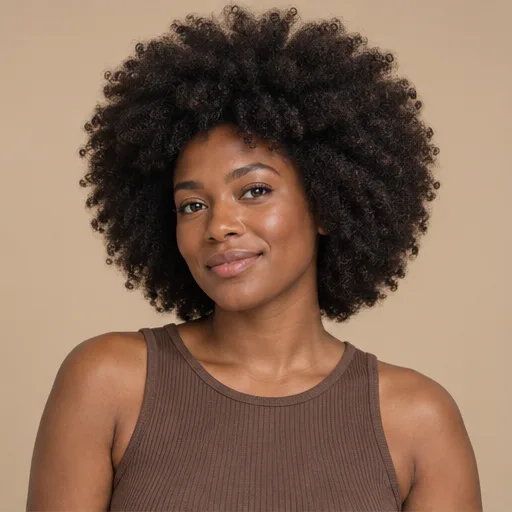
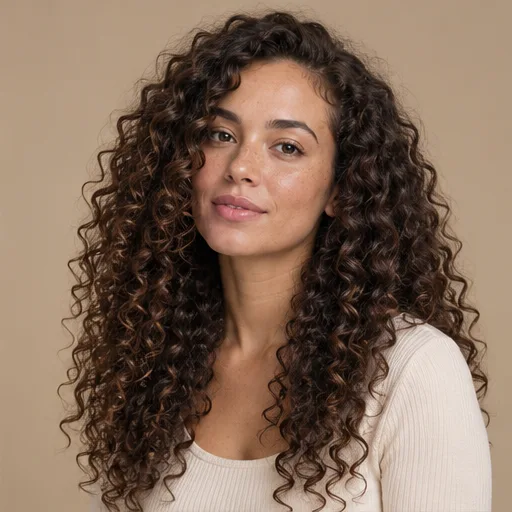
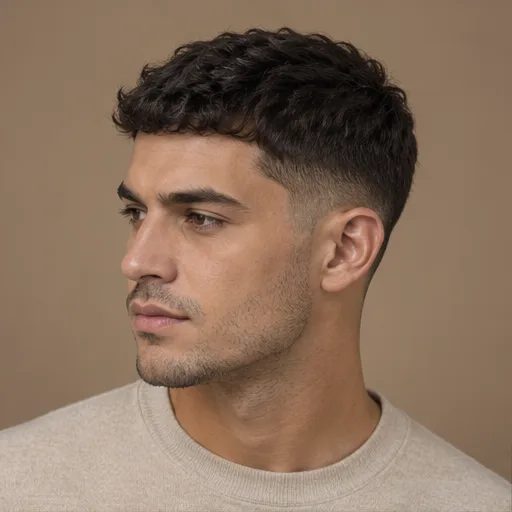
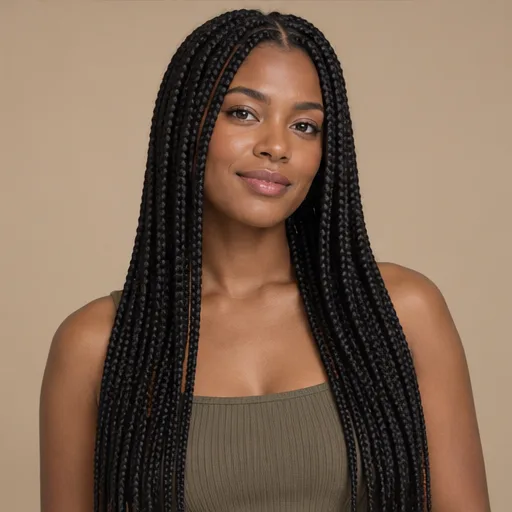
Concept references for shape and placement. Use the differences you like in your consultation; these are not step-by-step results or predictions for your hair.
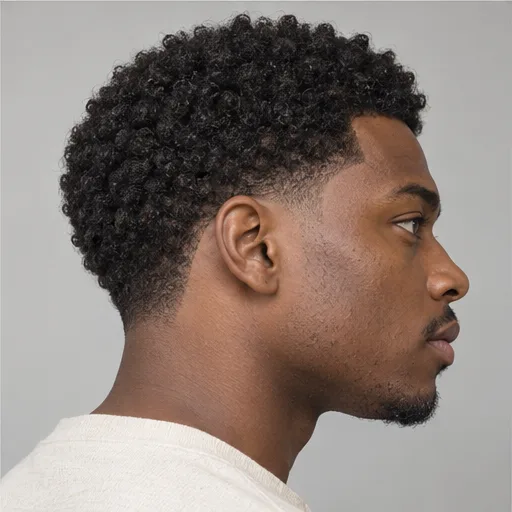

Compare your options
Rounded connected texture
Keeps fullness around the head with a softer transition. The cut must balance different curl areas so the dry outline reads as intentional.
Ask about: Can we preserve side volume and assess the full shape after it dries?
Curly fringe with tapered edges
Moves the focus toward the front while tidying the perimeter. Dry fringe length is the key measurement, and front groups may need placement after washing.
Ask about: Where will the fringe sit in its natural dry curl, and how much side weight stays?
Coily high-top or taller silhouette
Emphasizes height and an intentional outer shape. The top and side transition need separate maintenance decisions to avoid losing height at each refresh.
Ask about: How will we maintain the outline while preserving the top length I am growing?
Choose the dry outline
A rounded shape distributes volume around the head, while a curly fringe brings some of that movement toward the forehead. A high-top emphasizes vertical shape and may use more closely tapered sides. A longer all-over shape lets curls or coils build a fuller outline. Choose the amount of volume you enjoy instead of treating expansion as something that must always be removed.
Ask the barber or stylist to observe the hair in its ordinary dry state. Different areas may shrink or curl differently. Specify the desired dry front length and whether you want the forehead open. A photograph of stretched hair alone cannot show where a fringe will sit after washing or how the crown connects to the sides.
Separate the side transition and neckline
A low taper can tidy the edge while leaving side fullness. A broader fade creates stronger top-to-side contrast; confirm its height and whether the shortest area shows skin. A scissor or longer clipper blend may preserve a more continuous rounded silhouette. Choose the relationship you want between the top and sides before discussing tool settings.
At the neckline, decide on a natural outline, soft taper or more defined finish. If you want a line-up at the front or temples, discuss where your natural hairline sits and the exact edge you expect; a sharply drawn reference may involve more frequent upkeep than you want. Explain how any beard should connect so that transition is not assumed.
Set up a definition routine
Begin with cleansed, conditioned and detangled damp hair in manageable sections. Have clips if needed, a familiar leave-in or styling product, a suitable detangling tool and an optional diffuser. Estimate 10–25 minutes of application and shaping, with separate drying time that may range from a short diffuser session to several hours of air-drying depending on length and density.
Gentle damp detangling suits tightly curled textures; AAD's guidance is at aad.org source. Do not use the same force or tool movement that you would on a close straight crop.
- Set the part, fringe direction or intended center of the top shape while the hair is damp. Divide dense areas so product reaches underneath.
- Apply a small label-directed amount of product through one section. Smooth or guide the hair into natural groups without scraping the scalp.
- For a curly fringe, place the front groups where they should fall. For a rounded shape, distribute them around the outline. For a high-top, preserve the planned height rather than pulling every section downward.
- Repeat across the top and any retained sides. Use fingers to arrange small edge sections without flattening all the texture.
- Air-dry with limited handling or diffuse with comfortable lower heat and airflow, moving between areas. Let the roots and interior dry fully.
- Once dry, decide whether to separate a few groups for volume or leave stronger definition. Check the profile as well as the front before adding more product.
Adapt for pattern, density and preference
Looser curls may fall over a transition and create a softer edge; compact coils can show a more sculpted outline. Neither pattern dictates a particular fade. Fine curly strands may need less product than dense coarse hair, and low density is a separate observation from curl type. Ask how the cut preserves or distributes the volume you actually have.
You can choose definition, a softer picked-out silhouette or a mix. These finishes require different handling, so bring a reference of the finish you plan to wear most often. If you want twists, braids or locs, treat that as a separate styling or installation choice with its own length, weight and maintenance plan, not simply a different product on the same haircut.
Troubleshoot and plan the next cut
If the fringe sits shorter than expected, compare the dry length discussed at the appointment with the length seen wet. If the crown looks flat, examine its placement and layer structure rather than adding height only at the front. If definition varies, adapt section size in the less responsive area instead of reworking the entire head.
If the sides grow out before the top needs cutting, ask whether a limited edge tidy can preserve the shape you like. Keep a dry photo after a normal wash and another later in the growth cycle. This helps the next appointment address the silhouette instead of recreating a fresh fade while unintentionally shortening the top each time.
Take this to your appointment
A starting point for your brief
My dry texture looks like this, and I want the top outline ___. Leave the fringe at ___ when dry. Keep the sides ___, place the transition ___, and finish the neckline ___. I prefer defined/softer texture and can spend ___ on wash-day styling and ___ on refreshes.
Use this in my briefAdapt the wording to your own hair, preferences and history.
Common questions
Do curls need a fade to look shaped?
No. A rounded connected cut, a longer all-over shape or a softer taper can be equally deliberate. Choose the outline first.
Should the barber measure the fringe while stretched?
A stretched measurement can be useful information, but also agree on where the fringe should sit dry in your usual texture.
Sources & further reading
Sources accessed 3 October 2026. These publishers have not reviewed this guide. Our editorial standards explain our method.