Haircuts
Choose bangs you can style and grow out
Compare full, curtain, side-swept and curly bangs with guidance on dry length, growth direction, glasses, styling and the next stage.
Upkeep: A precise full fringe needs attention as it approaches your preferred dry landmark. Longer curtain or side-swept pieces offer more grow-out options, but may need reshaping to stay out of the eyes.
Effort is a planning estimate. The specific option and your routine change the commitment.
The starting point
Choose bangs by the amount of forehead coverage you want and how much daily resetting you will accept. Full, curtain, side-swept and curly fringes create different outlines, and each can be cut at several lengths and densities. Agree on the shortest dry piece, how the fringe will part and whether it needs to tuck or pin away before committing.
Compare the visual directions
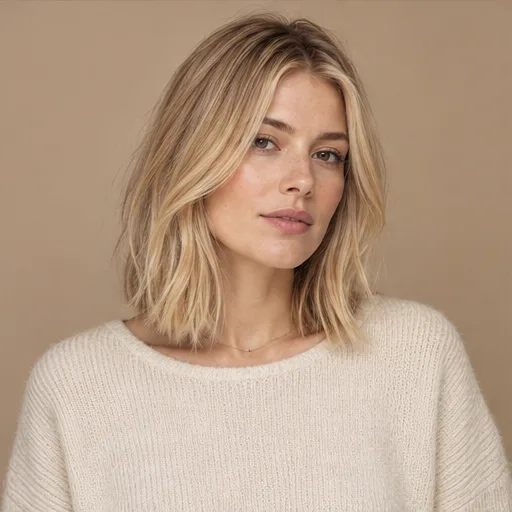
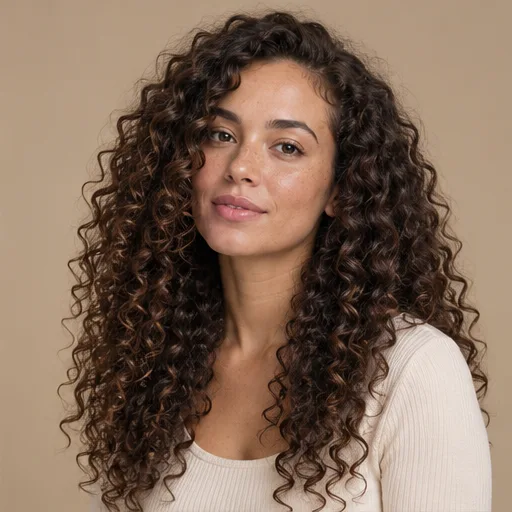
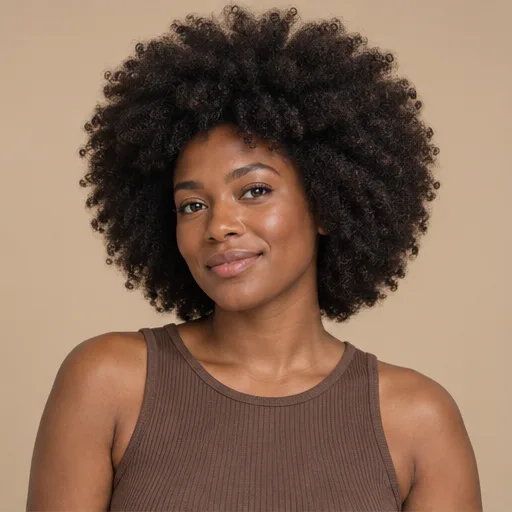
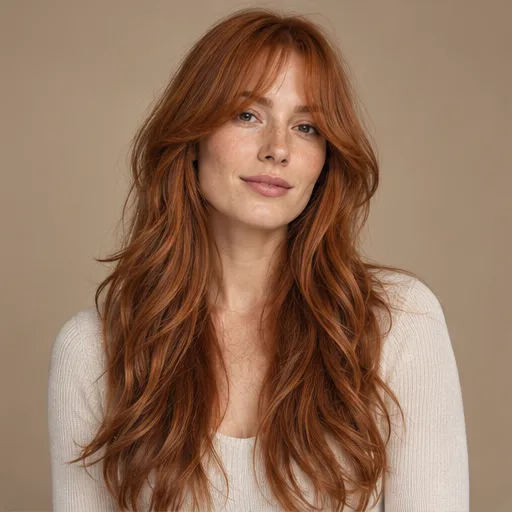
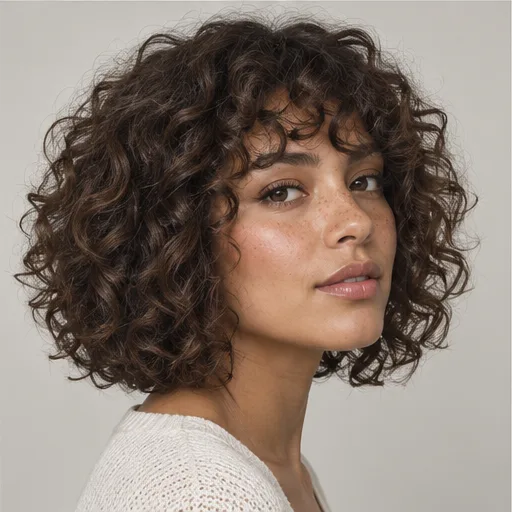
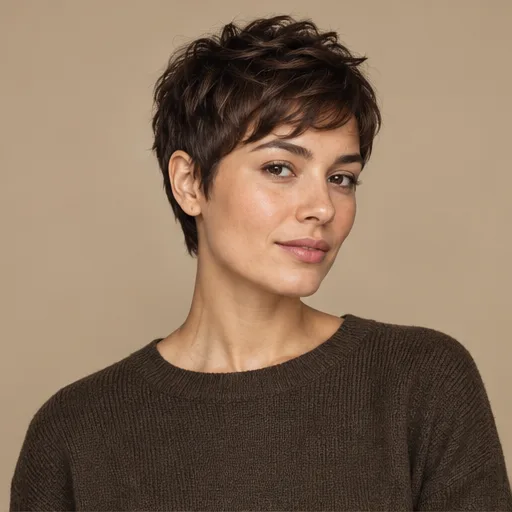
Concept references for shape and placement. Use the differences you like in your consultation; these are not step-by-step results or predictions for your hair.

Compare your options
Full or blunt fringe
A stronger horizontal edge creates continuous coverage. It asks for a deliberate agreement about width, density and the line above or around the brows. Its appearance may change noticeably when growth direction or texture interrupts that line.
Ask about: Show the section width and keep the dry edge at this landmark with this much coverage.
Curtain fringe
The centre opens while the sides extend into the face frame. Longer versions offer more pinning options; shorter central pieces create a stronger fringe and may need more setting. A centre part is an aesthetic choice, not a requirement for every face.
Ask about: I want this size of central opening and outer pieces long enough to do this.
Side-swept fringe
A diagonal front follows a preferred direction and can create softer coverage. It still needs enough length to move comfortably across the forehead. Check whether the shortest area can tuck or whether you will need a clip.
Ask about: Work with my usual part and show how this will sit after air-drying or my normal styling.
Curly or coily fringe
The visible edge is made by the dry texture rather than a straight line. Decide how much separation, fullness and forehead coverage you want. Different curl patterns may need different retained lengths.
Ask about: Please agree the dry fringe shape with me and check it in the texture I normally wear.
Choose coverage, width and weight
A fringe is more than its bottom edge. Its width determines how far it reaches toward the temples, while the amount of hair brought forward changes its visual weight. A narrow, light fringe leaves more of the forehead visible; a wider, fuller one makes a stronger frame. Ask the stylist to show the proposed section before it is cut.
Decide what you like about the reference. It may be the gap in a curtain fringe, the graphic edge of blunt bangs or the softness of a side sweep. Do not ask for a lighter version if you actually want less coverage: thinning and changing the shape are different choices. Explain whether you want a clear line or separate pieces.
Check everyday obstacles first
Put on your glasses and show where the frame sits. Mention hats, helmets, a regular centre or side part and whether you often need hair completely off your face. A fringe that just touches the glasses may feel different from one finishing above them. Longer curtains may tuck, while shorter central pieces can still fall forward.
Tell the stylist about the direction in which your front hair grows and any area that separates. Bring a photo of the fringe area without deliberate styling. The purpose is not to declare bangs impossible, but to choose a shape you can manage. A longer or asymmetrical option may work better with the existing direction than a rigid straight-across reference.
Plan around your normal texture
Straight hair can show a very precise edge, so small differences in the line are noticeable. Waves may create a bend that shifts the apparent length or opens a gap. Curly and coily fringes should be agreed in terms of the dry result, including whether you want separate curls, a full shape or a fringe that blends into the sides.
If you alternate between natural and stretched or straightened finishes, explain which is the priority. A single fringe may look much shorter in one state than another. Ask what compromise is realistic rather than expecting the same landmark in every finish. At the appointment, leave time for the hair to settle in the state you will wear most often before final adjustments.
Have a reset routine before leaving
Ask how to restore the shape after sleeping, wearing a hat or letting the front dry in a different direction. The routine might involve lightly rewetting the fringe, setting the part and using your preferred drying method. Follow the texture's needs rather than brushing out a curl pattern you wanted to keep.
Practise with the stylist if there is a particular brush direction or pinning method. If the fringe only works with a process you dislike, lengthen or simplify the plan. A fringe is a small section, but it is highly visible; a short daily step can matter more than the overall length of the haircut.
Agree on a grow-out option
Ask how the fringe will become side-swept or connect to a face frame as it lengthens. Curtains often have longer outer sections already, while a full straight-across fringe may need reshaping to move away from the centre. Small clips can help during transition, but they do not replace a deliberate shape.
Do not feel required to keep trimming to the original line once your preference changes. At the next appointment, say whether you want to maintain coverage or move toward a longer front. Keep a photograph of the fringe at the length you liked, because the same descriptive word can mean different things at each visit.
Take this to your appointment
A starting point for your brief
I want ___ coverage with a ___ fringe. My normal part is ___ and my front hair tends to ___. The shortest dry piece should finish at ___; I need to pin or tuck ___. Show me a reset routine and the next shape if I decide to grow it out.
Use this in my briefAdapt the wording to your own hair, preferences and history.
Common questions
Are curtain bangs always low maintenance?
No. Their effort depends on length, growth direction, texture and the finish you expect. Longer outer pieces may be easy to move, but the shorter centre can still require a daily reset.
Should I trim a curly fringe to the length I want while stretched?
Discuss the desired dry shape with your stylist before cutting. Stretched length does not show where every curl will sit when it returns to its usual pattern.