Haircuts
Choose a haircut by what you want to emphasize
Use face shape as an optional styling tool, alongside texture, density, glasses and routine, without rules about which features need fixing.
Upkeep: Upkeep follows the haircut you choose, rather than a face-shape category. Compare how long its fringe, perimeter and layers can grow before the effect you like changes.
Effort is a planning estimate. The specific option and your routine change the commitment.
The starting point
Face shape can help describe the outline you want, but it should not decide which haircuts you are allowed to wear. Start with a preference: an open forehead, more width at the sides, a clear jaw-length line, softer edges or height at the crown. Then combine that goal with your texture, density and routine. Your features do not need to be corrected to qualify for a style.
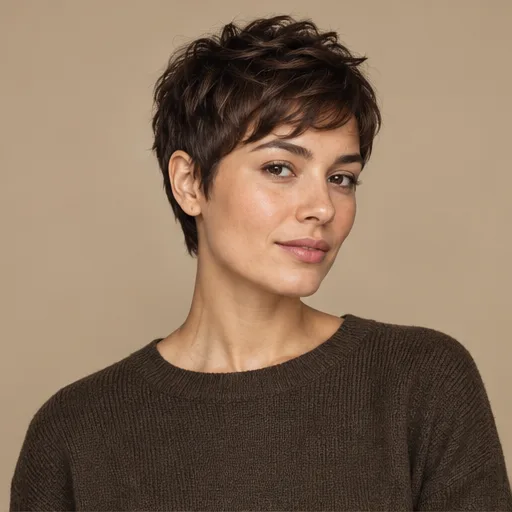
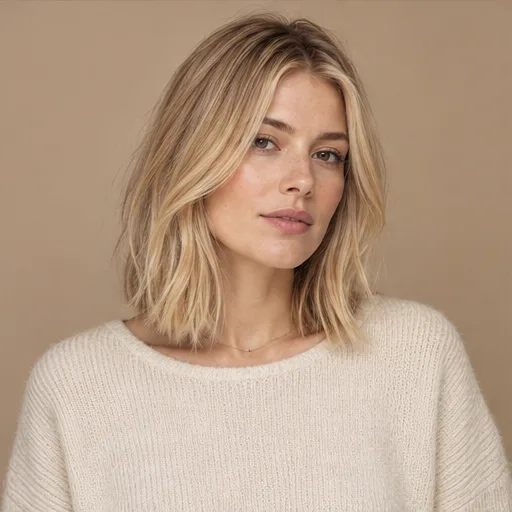
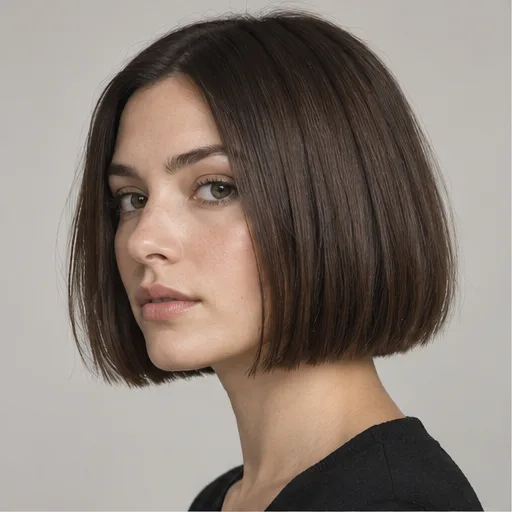
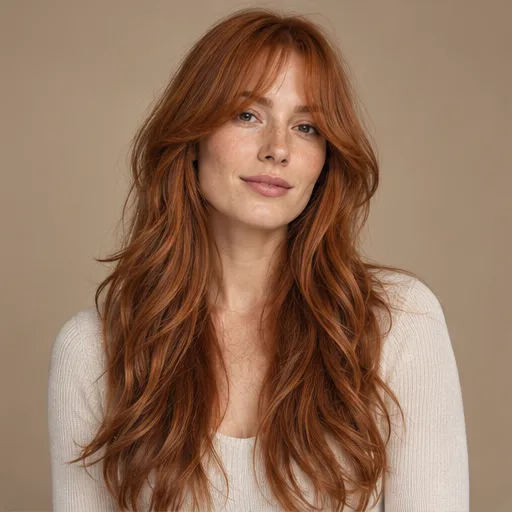
Compare the visual directions
Concept references for shape and placement. Use the differences you like in your consultation; these are not step-by-step results or predictions for your hair.
Compare your options
An open front
Move hair away from the forehead with a crop, sweep or longer brushed-back shape. The choice highlights the face and hairline. Decide how much daily direction you will accept and whether you want softer pieces at the temples.
Ask about: I like my forehead visible; please offer a shape that follows my normal growth direction.
A defined frame
A bob edge or fuller fringe makes the haircut's boundary clear. Choose where you want that line to finish, then discuss its density and texture. A crisp reference may look softer in your natural finish.
Ask about: I like a clear line here, but I want to wear my usual texture.
Soft movement beside the face
Longer front pieces or a blended fringe can move around the cheeks or jaw without forming a continuous edge. Tuckability and the shortest dry length are the practical checks.
Ask about: Keep movement around this area while retaining enough length to pin away.
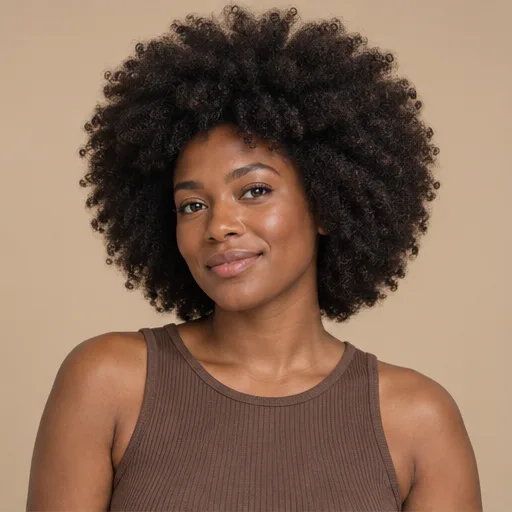
Fullness or height in a chosen area
A rounded curl shape, layered top or fuller side can change the overall silhouette. The approach must suit the amount of hair and the routine available, rather than relying on a chart alone.
Ask about: I prefer more fullness here; explain how much comes from the cut and how much I would need to style.
Describe a visual goal instead of a verdict
Face-shape labels simplify a face into an outline, and many people sit between categories. You do not need to settle whether you are round, oval, square or heart-shaped before making a useful haircut choice. Identify the part of a reference that attracts you: where the hair opens, where it is full, where its edge ends and how it frames the face.
You may want a jaw-length bob precisely because it echoes your jaw, or a close crop because it reveals your face. Someone else with similar features may prefer long movement around the sides. Both are legitimate preferences. A consultation should ask what you want to emphasize rather than impose one ideal silhouette.
Use four adjustable elements
Length determines where the outer edge meets the face or body. Width is the amount of visual fullness at the temples, cheeks or lower outline. Height changes the silhouette above the head. The front opening includes fringe, parting and pieces that sit beside the face. These elements can be adjusted independently, which creates more useful choices than a list of forbidden cuts.
Try small, reversible comparisons. Move your part, tuck one side or pin a section to suggest a fringe. Look straight ahead and from the side. These experiments reveal preferences; they cannot predict exactly how a shorter cut will behave because the retained hair has different weight and length. Use them to explain what you like, then ask a stylist how to translate it.
Bring texture and density back into the decision
A photograph may show width created by a blowout, curls, extensions or a particular camera angle. Ask which part is the haircut and which is the finish. If you want crown height but normally air-dry straight hair, the practical question is whether the proposed cut and routine can deliver enough of that effect for you.
Waves, curls and coils make their own shapes, sometimes differently around the head. Choose a dry reference with a comparable pattern when possible. Fine strands, high density and low density are separate considerations: the stylist needs to assess how much hair will remain at the perimeter after layering. A face-shape chart cannot provide that information.
Include the things you wear and do
Glasses can change how a fringe feels and where side pieces sit. Hearing devices, earrings, head coverings, hats or helmets may also affect comfort and your preferred coverage. Show the stylist the items that matter rather than treating them as an afterthought. If you need a clear face for work, sport or sensory comfort, explain the practical minimum.
Your styling willingness is equally important. A reference that uses a smooth side sweep may need direction after washing, while a natural textured shape may use a different routine. State whether you are happy styling the front, using a dryer occasionally or doing very little. The most useful adaptation respects that preference rather than assigning you a daily task you will resent.
Turn the conversation into a testable request
Choose a main preference and a practical boundary. For example: I like fullness around the sides, but I need to tuck behind my glasses; or I want an open forehead, but no close clipper finish. Ask the stylist to explain what they would change from the reference and why.
At the end, evaluate the result against those agreed choices. Can you tuck the required section? Does the dry outline sit at the landmark discussed? Can you create the ordinary finish? These questions are more useful than asking whether the haircut has made your face match a particular geometric category.
- Keep one reference showing the silhouette and another showing your preferred texture.
- Note what you dislike in a reference as clearly as what you like.
- Ask about the side and back, even if your main interest is the face frame.
- Treat a simulation made with pins as a preference test, not a guaranteed preview.
Take this to your appointment
A starting point for your brief
I want to emphasize ___ and prefer a silhouette with ___. I need comfort with ___ and the ability to ___. My everyday texture and routine are ___. Please adapt the reference to those priorities rather than treating a face-shape category as a rule.
Use this in my briefAdapt the wording to your own hair, preferences and history.
Common questions
Do I need to measure my face?
No. Measurements are optional descriptive tools. Preferences, growth direction, texture and practical needs usually lead to a more useful discussion than trying to fit perfectly into a single category.
Can I choose a cut that a chart says is wrong for me?
Yes. Charts often assume everyone wants the same balance or outline. If you like the effect, ask a stylist to adapt the cut to your hair and routine rather than treating the chart as a restriction.