Haircuts
A pixie haircut starts with the fringe, ears and nape
Compare close crops, soft pixies, long-fringe pixies and bixies with practical advice on growth direction, styling and growing the cut out.
Upkeep: The fringe, ear area and nape may need attention at different times. Maintain the close outline, or preserve top and side length while shaping a deliberate bixie grow-out.
Effort is a planning estimate. The specific option and your routine change the commitment.
The starting point
A pixie is a collection of short-hair choices, not a single cut. Decide how open you want the ears and nape, how much front length you want to move, and whether you prefer a close or soft silhouette. The best request explains those details and the styling you will actually do. A longer top gives flexibility, but it may also be the part that needs daily attention.
Compare the visual directions
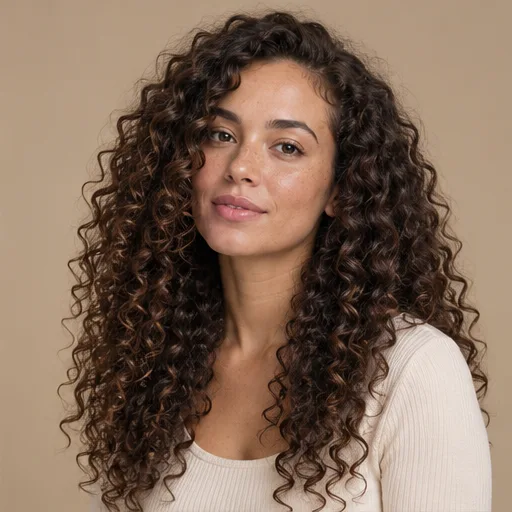
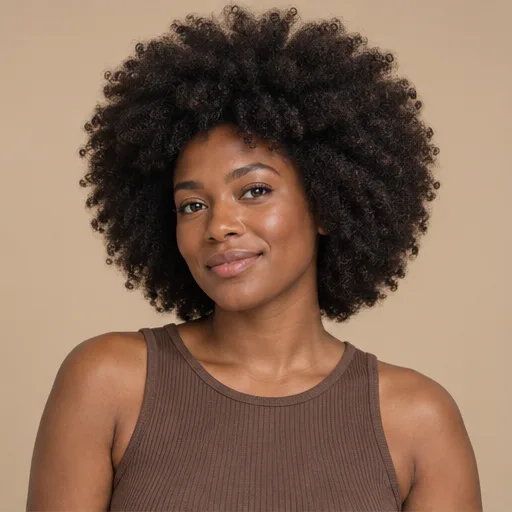
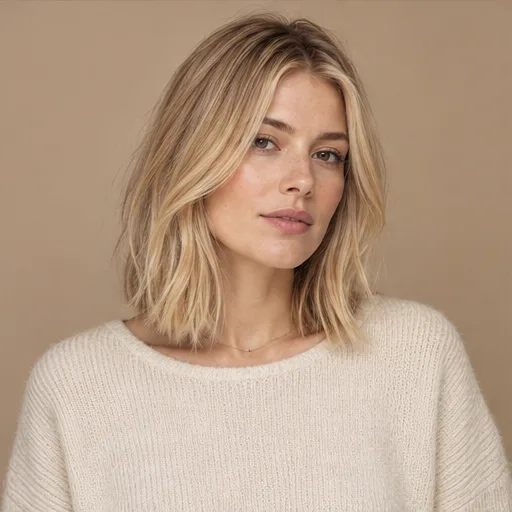
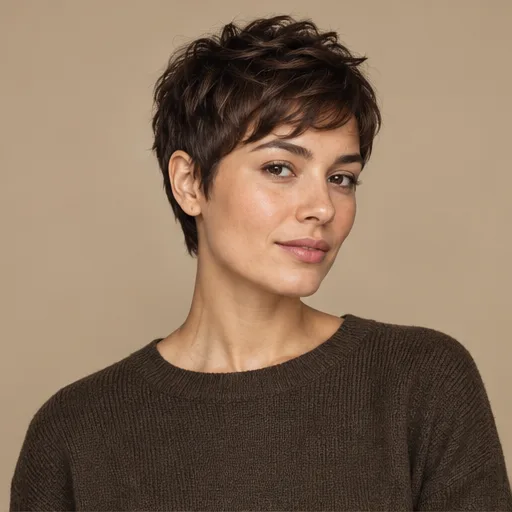
Concept references for shape and placement. Use the differences you like in your consultation; these are not step-by-step results or predictions for your hair.
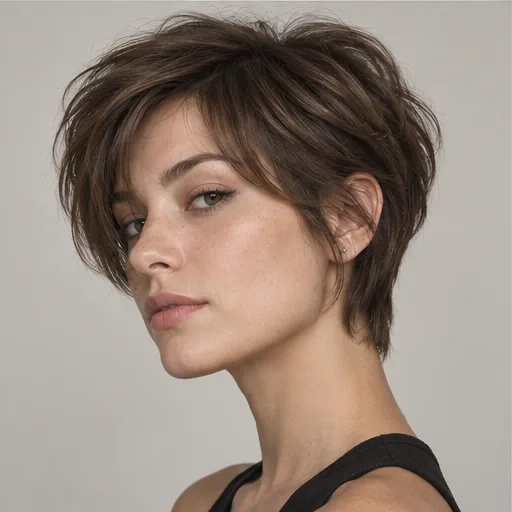
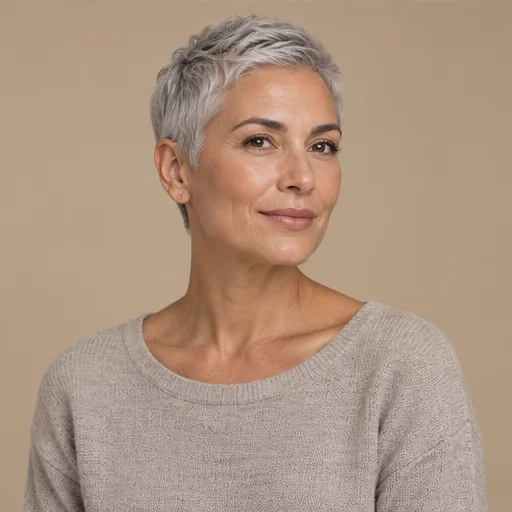
Compare your options
Soft cropped pixie
Short layers create a close shape with softer edges than an aggressively clipped outline. It works as a direction for someone who values an open face and neck. The exact hairline and growth direction remain visible, and there is little length available for tying or tucking.
Ask about: Keep the edges soft and show me how the crown and front will settle without elaborate styling.
Long-fringe pixie
Retaining the front offers sweep, parting and pinning options while the back stays short. It can give a sense of change without removing every familiar face-framing piece. Its advantage depends on being willing to manage that longer section when it falls forward.
Ask about: Keep a movable fringe, and show me the shortest version that can still be tucked or pinned as I need.
Curly or coily tapered pixie
The top retains the visible texture while the sides and nape become more compact. Specify the amount of taper and the dry curl length separately. A tightly tapered version changes the outline more than a soft scissor-shaped version.
Ask about: Preserve this dry curl shape on top and agree the ear and nape finish before shortening them.
Bixie with longer sides
A bixie holds more length around the ears and head, offering a bridge between pixie and bob. Choose it for a softer perimeter or as a grow-out destination. It still needs a planned silhouette; simply skipping all shaping can leave the sides feeling bulky.
Ask about: I want a longer, tuckable outline with enough layering to connect the top, not a bob stacked sharply at the back.
Use a map of the cut
Divide the reference into four areas: front, top, sides and nape. The front controls how much hair sits over the forehead; the top affects height and movement; the sides determine ear coverage; the nape sets the back outline. A picture can combine a long fringe with very close sides, or a short fringe with a soft, longer nape. Naming the areas prevents an all-over shortening that you did not intend.
Be precise about a close finish. Ask whether scissors, clippers or a concealed undercut are part of the proposal. An undercut removes a separate area of length and changes the grow-out journey. It should be an explicit choice, not an assumed solution to bulk. If a visible hairline or exposed scalp is not what you want, show the stylist where you would prefer coverage.
Growth direction matters at short lengths
Arrive with your hair behaving normally if the salon's preparation instructions allow it, or bring clear photographs before styling. Explain which way the front tends to fall and where the crown separates. Ask the stylist to show how the proposed lengths work with those patterns. A photograph of someone else's smooth fringe does not establish what yours will do.
For straight hair, decide whether the finish should be flat, lifted or separated. A very short length may stand away from the head on some hair, so ask about that before choosing it. Waves and curls can provide the top shape, but the side lengths need to be assessed dry. Coily pixies can be rounded, tapered or elongated at the front; those are different silhouettes and deserve their own references.
Build a repeatable routine
Choose one default finish before exploring occasional styling. After washing, direct the part or fringe while it is still workable, then let the texture settle or dry it as demonstrated. Once dry, adjust a small amount of product through the areas that need separation or control. More product is not automatically more hold; if the result looks coated, simplify the next attempt.
A long sweeping fringe can be pinned, tucked or moved, but it may need resetting after sleep or a hat. A short textured front has fewer length options, yet it can be quicker to arrange when it follows the hair's growth. Ask to practise the critical step at the appointment. If a round brush or directional blow-dry is essential and you do not want to use one, change the cut request rather than relying on a photograph alone.
Give the grow-out a destination
A pixie usually becomes uneven in relation to its intended shape before it feels uniformly longer. The nape may look extended while the top is still catching up, or the ear area may become wide. A grow-out trim should therefore have a purpose: retaining top length while shaping the perimeter, moving into a bixie, or eventually establishing a bob edge.
Make clear which area must not be shortened at the next visit. Ask to compare the hair's current length with the next stage before anything is cut. There is no need to keep recreating the original pixie if your goal has changed. Small accessories, a different part and a deliberate ear tuck can make the transitional stages feel intentional without constantly removing progress.
- Check the front with glasses if you wear them.
- Decide whether you like visible sideburn pieces or a clean ear outline.
- Ask to see the back after drying.
- Keep a separate photograph of your everyday finish, not only the appointment finish.
Take this to your appointment
A starting point for your brief
I want ___ front length, ___ ear coverage and a ___ nape. My crown and fringe usually move ___. My everyday finish should take these steps: ___. Please confirm whether any clipper work or undercut is proposed and help me plan a grow-out toward ___.
Use this in my briefAdapt the wording to your own hair, preferences and history.
Common questions
Does a pixie need a lot of product?
Not necessarily. Product depends on the finish you want and the hair's behaviour. Ask for the smallest useful routine, then add only what solves a specific problem such as fringe direction or separation.
What is the difference between a pixie and a bixie?
The names overlap, but a bixie usually retains more bob-like length around the head and ears. Rather than relying on the label, agree the shortest point, retained side length and overall shape.