Haircuts
Find your bob: blunt, angled, graduated or layered
Understand the real differences between bob shapes, choose a dry length, and plan tucking, styling, density and grow-out before the cut.
Upkeep: Refresh when the dry edge leaves your chosen landmark or the back loses its shape. Angled and graduated backs need more deliberate reshaping than a relaxed level lob.
Effort is a planning estimate. The specific option and your routine change the commitment.
The starting point
Choose a bob by its lower edge, its shape from the side and the amount of layering inside. Those decisions tell your stylist more than a fashionable name. A blunt jaw-length bob, an angled bob and a graduated bob can have a similar front length while behaving very differently at the back. Start with the dry landmark and the silhouette you want.
Compare the visual directions
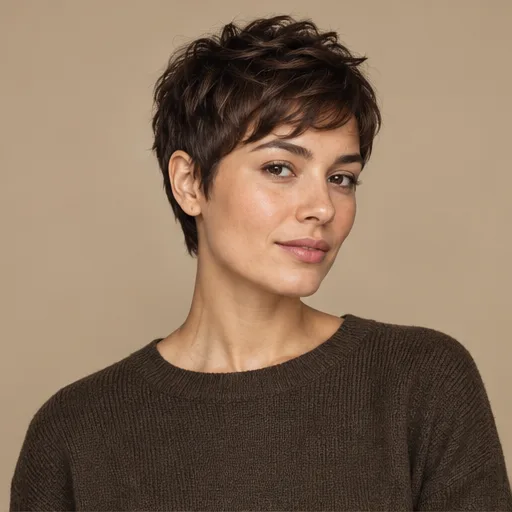
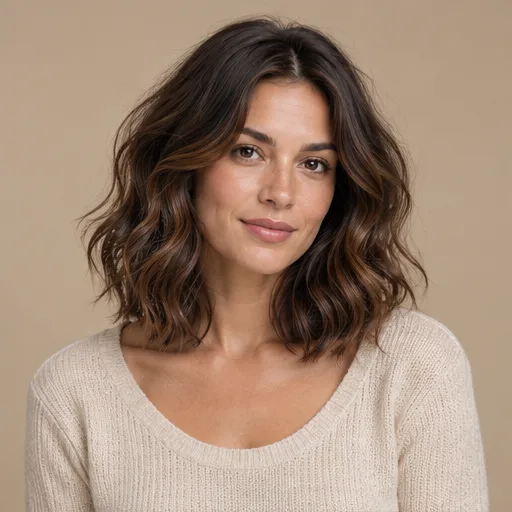
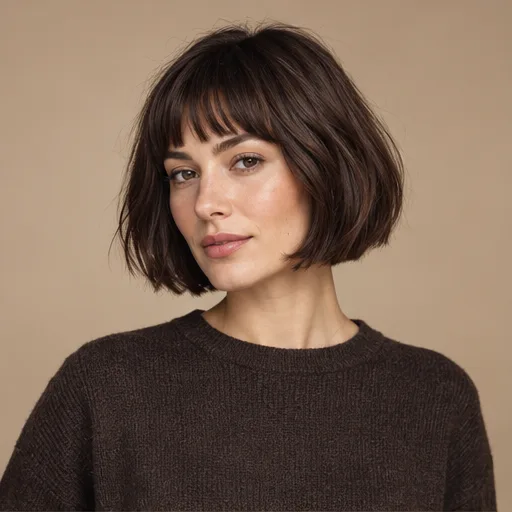
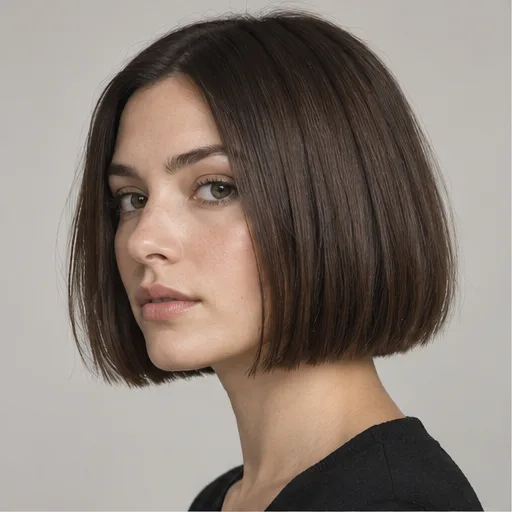
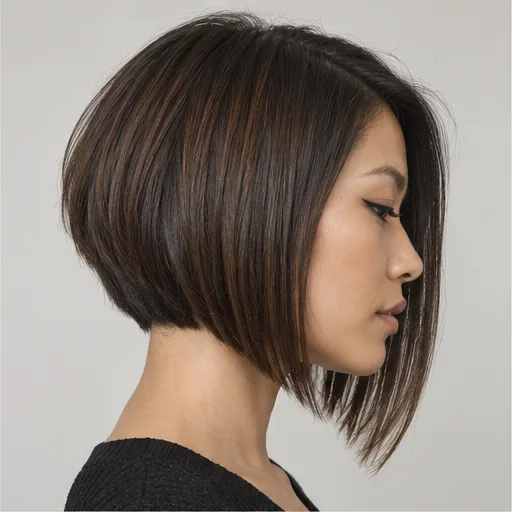
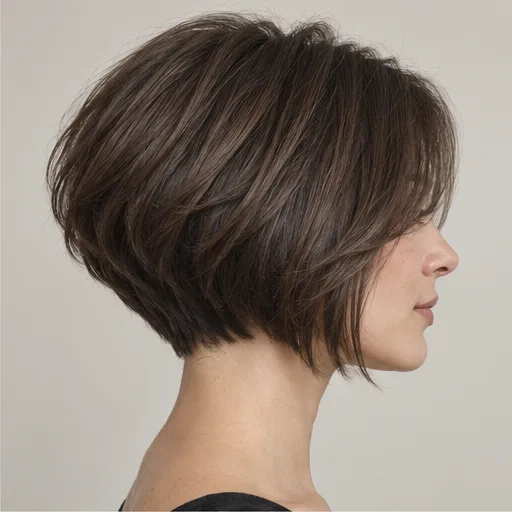
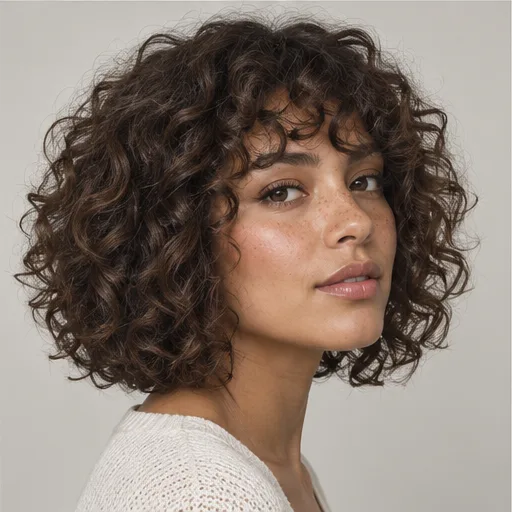
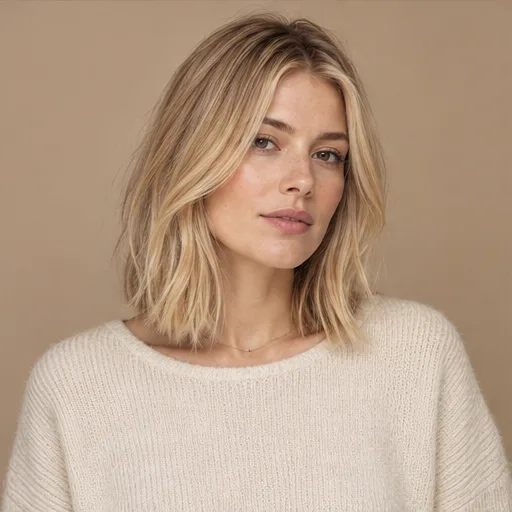
Concept references for shape and placement. Use the differences you like in your consultation; these are not step-by-step results or predictions for your hair.
Compare your options
Blunt bob
A defined edge is the main feature. It is useful when you want the ends to read as one shape rather than separate layers. The line is visible, so a smooth reference may ask for more styling on hair that naturally bends or curls.
Ask about: Keep a strong bottom edge and tell me whether any internal shaping is necessary.
Angled bob
The front extends farther than the back, which can retain face-framing length while opening the neck. A subtle angle is different from a steep one. The longer front may feel detached if the shape or daily part differs from the reference.
Ask about: Show me the front-to-back difference from the side before we agree on the angle.
Graduated bob
Graduation creates a built shape through the back, often with fullness above a shorter nape. Choose it for that rounded profile rather than simply for shortness. The back shape needs attention as it grows and may not move directly into an even lob.
Ask about: I want this amount of fullness at the back, with this nape length and no hidden undercut unless agreed.
Layered bob or lob
Layers give the outline more movement and can make room for waves or curls. They also change how much hair reaches the lower edge. Keep the shortest layer long enough for your desired tie-back or avoid layers that require a finish you will not recreate.
Ask about: Keep the perimeter substantial and show where the shortest layer will fall when dry.
Three separate choices make the shape
The perimeter is the visible bottom edge. A blunt perimeter creates a clear outline; a softened edge looks less graphic. The angle describes the relationship between front and back length. A bob that is longer toward the front has a different side profile from a level bob, even if neither has obvious surface layers. Graduation builds a stacked or rounded shape through shorter-to-longer lengths, often at the back.
Layering is another decision. It can alter the internal movement or fullness without requiring a dramatically angled perimeter. Ask to see a side and back view because front-only photos conceal these differences. If a reference has a curled finish, request an explanation of the underlying outline before choosing it. A styling bend can make a level cut appear angled.
Choose a landmark you can describe
Use your own jaw, chin, neck or collarbone as the reference point. The same measurement on two people will not land at the same feature. Discuss the length when the hair is dry and worn normally. Curls and waves may lift the edge or make it appear different on each side; a straightened photo is not a useful substitute for your usual shape.
Test the practical details. A very short front may not stay behind the ear. A bob at the base of the neck may meet a collar and turn outward. Longer front pieces may reach a small ponytail while the nape does not. Ask which sections will fall out before assuming the whole cut can be tied back. These are preferences to design around, not reasons a bob is unsuitable.
Let texture and density change the plan
For low-density hair, discuss how much of the bottom edge should remain intact before adding layers. Fine strands can still be plentiful, so do not choose a dense-looking reference solely because it is labeled fine hair. For high density, ask where the cut might become wide or heavy and what internal shaping would change that.
On waves, compare a full outline with a looser layered version and look at both air-dried and styled possibilities. On curls or coils, decide whether you want a rounded shape, a more triangular silhouette or an elongated front. None is the correct shape for everyone. Ask how uneven curl patterns will be accommodated and whether the finishing check will happen in your normal dry texture.
Plan the finish and the next appointment
A smooth, tucked-under bob may need directed drying or a brush, whereas an intentionally wavy finish may tolerate more variation. Ask for a routine using a small number of steps you can repeat. If you dislike the ends turning out, say so before choosing a length that rests on your shoulders; changing that relationship may matter more than buying a different product.
Watch the outline rather than the calendar alone. An angled or graduated back may lose its intended balance before a level lob does. When growing longer, the stylist may need to preserve the front while changing the back shape. Discuss whether your next goal is another bob, a lob or an easy tie-back length so the maintenance appointment supports it.
- Look at the cut with your usual part, not only a newly created centre part.
- Check it tucked and untucked before deciding on front length.
- Ask what the outline looks like without a bend or blowout.
- Keep a back-view reference if graduation is an important feature.
Take this to your appointment
A starting point for your brief
My bob should finish at ___ when dry. I prefer a ___ perimeter, a ___ front-to-back angle and ___ fullness at the back. I need to tuck or tie these sections: ___. Please explain any layers, my simplest styling option and how this shape will grow toward ___.
Use this in my briefAdapt the wording to your own hair, preferences and history.
Common questions
Is every angled bob stacked at the back?
No. Angle concerns front and back length; graduation concerns how lengths build the shape. You can ask for an angled outline without a pronounced stack. Use a side and back reference so the distinction is clear.
Can a bob work without straightening?
A bob can be planned around waves, curls or coils. The key is to choose a dry shape in your natural texture and discuss where it will sit. Do not use a straightened finish as the only example of the result you expect.