Hair through life
Haircuts for mature hair, without age rules
Choose a cut around your current texture, gray preferences, comfort and routine, with options from crops and bobs to longer shapes.
Upkeep: Choose a shape whose next stage you also enjoy. Precise fringes and crops need more outline attention; longer cuts and gray transitions can be maintained in separate, deliberate stages.
Effort is a planning estimate. The specific option and your routine change the commitment.
The starting point
There is no birthday at which you need to shorten your hair, add layers or cover gray. Choose a cut around the hair you have now, the look you enjoy and the routine you want. Practical needs such as glasses, dexterity, drying effort and appointment access may matter more than an age label. A good consultation starts with those preferences.
Compare the visual directions
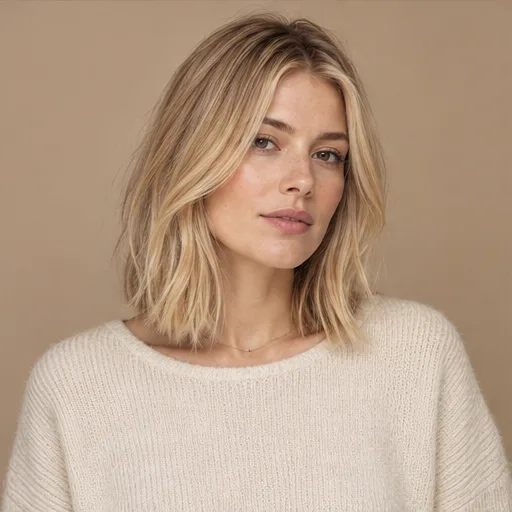
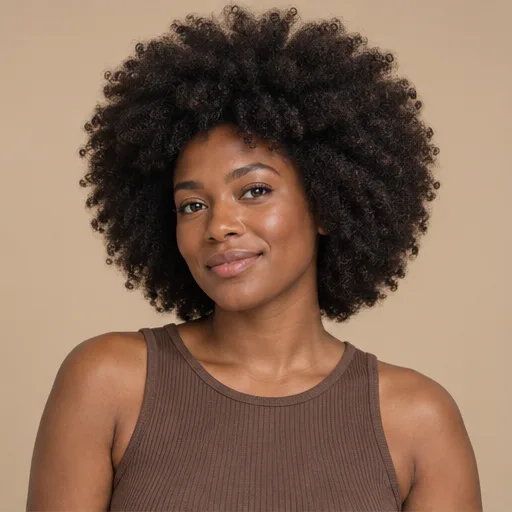
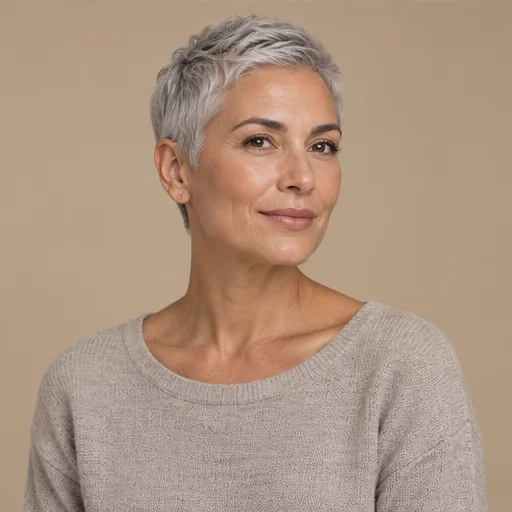
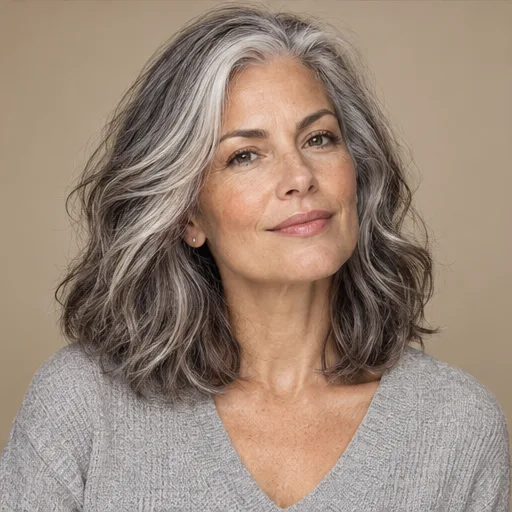
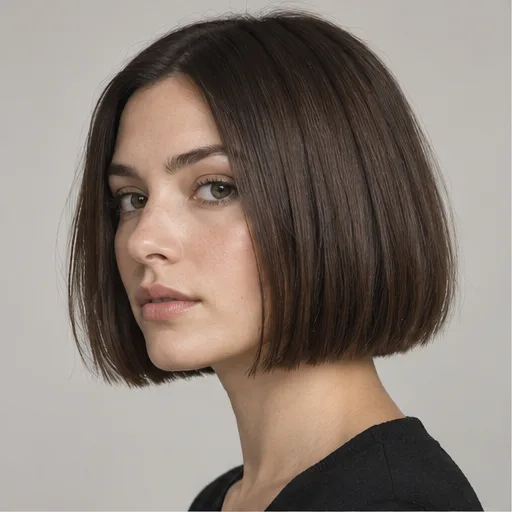
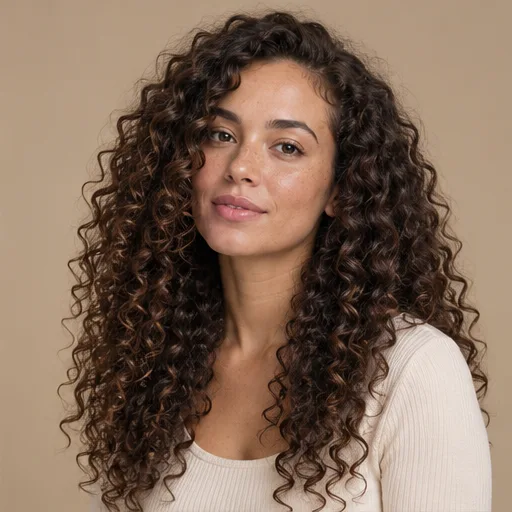
Concept references for shape and placement. Use the differences you like in your consultation; these are not step-by-step results or predictions for your hair.
Compare your options
Soft crop or pixie
An open neck and compact outline can reduce the amount of length you manage. Choose the front, ear and nape separately so it retains the softness or clarity you want. The tradeoff may be more visible perimeter growth.
Ask about: Keep these pieces comfortable around my glasses and show me the simplest ordinary finish.
Bob or longer bob
A clear edge can create an intentional shape with fewer internal lengths. Decide whether it should sit above the collar or reach a practical tie-back length. A smooth reference may still require styling.
Ask about: I want this dry landmark and enough length for this daily action, with only necessary layering.
Medium or long shape with selective layers
Retain the length you enjoy while shaping the front or reducing weight in chosen areas. This is useful if updos and tying back matter, provided shorter pieces are planned around them.
Ask about: Keep my length and practical tying options while making this specific area easier to manage.
Natural curl or coil shape
Wear the texture as the main feature, with a rounded, tapered or elongated silhouette. The finish and amount of definition should be selected according to your preferences and handling needs.
Ask about: Shape my hair in the dry state I normally wear and simplify the routine where possible.
Start with current priorities
Decide what you want your next haircut to do. You may want less hair around the neck, a clear shape when air-dried, enough length for an updo or a fringe that works with glasses. You may also simply want a bolder look. Describe the priority directly rather than asking for something age-appropriate and leaving the interpretation to someone else.
Bring a reference for its shape and another for a texture close to yours. Gray or silver hair can be shown in a crop, bob, curls or long shape; it does not determine the cut. If your hair behaves differently from the last time you wore a favourite style, explain what has changed in handling or finish without assuming the cause.
Design for comfort and handling
If raising your arms, using a brush or managing many sections is tiring, say so before selecting a reference that needs an elaborate finish. Ask the stylist to identify the steps that matter most and show a routine with tools you can comfortably hold. A shorter cut may reduce the length to handle, but it can still demand direction through the front or precise appointments.
Glasses, hearing devices and head coverings should be part of the shape discussion. Check where the fringe touches frames and how side pieces sit around the ears. If you prefer to keep hair off the face or neck, show the exact area. Comfort is a design requirement, not an afterthought once the haircut is finished.
Separate texture from density
Fine strands, low density and curly texture describe different aspects of hair. If the bottom looks less substantial than you want, discuss the perimeter before adding layers. If your hair is dense but difficult to arrange, identify where the weight is a problem. A universal layered cut will not address every concern.
For waves, curls and coils, ask for a shape assessed in your normal dry finish. Do not assume that a mature-hair reference must be smooth or blow-dried. You can choose a rounded natural silhouette, a tapered shape or longer defined texture, then adapt the routine and appointment plan to your needs.
Choose your gray direction independently
You can keep your existing color, let gray grow, blend the contrast or choose a new shade. These decisions have different regrowth and appointment implications. Discuss the haircut and the color plan together, but do not let a proposed color service replace an explanation of the cut.
If growing out colored lengths, decide whether a shorter shape is something you actually want or merely a way to remove more color sooner. A gradual plan may preserve length; a larger cut may create a quicker visible change. Neither is mandatory. See the gray-blending guide for a separate decision path.
If color is part of the plan, the FDA advises following product directions and skin-test instructions each time, and avoiding dye on an irritated or damaged scalp. A negative test does not guarantee that no reaction will occur. Tell the colorist about previous reactions. fda.gov source
Keep appearance questions separate from new symptoms
A new widening part, bare patch or sudden shedding should not be explained away as a haircut problem or automatically attributed to age. The American Academy of Dermatology identifies these as possible signs of hair loss. A qualified healthcare professional can assess the cause; this guide cannot. aad.org source
For the haircut itself, ask what change will signal a useful refresh. That might be a fringe reaching your glasses or an outline no longer sitting where you like. If appointments are difficult to arrange, choose a shape whose next stage you also enjoy, and ask how it can grow without requiring the original line to remain exact.
Take this to your appointment
A starting point for your brief
My priorities are ___, and I want to keep ___. I need the routine to work with ___ and these practical limits: ___. My gray or color preference is ___. Please show the cut in an ordinary finish and explain a comfortable maintenance or grow-out plan without age-based assumptions.
Use this in my briefAdapt the wording to your own hair, preferences and history.
Common questions
Do I have to go short as I get older?
No. Choose length according to your preferences, hair and routine. Longer hair can remain practical when the shape and handling steps fit your needs; a short cut is an option, not an obligation.
Should gray hair always have a different haircut?
No. Color and shape are related visual choices, but gray does not prescribe a crop or bob. Decide the silhouette you like and discuss texture or handling changes specifically.
Sources & further reading
Sources accessed 3 October 2026. These publishers have not reviewed this guide. Our editorial standards explain our method.