Styling how-tos
A controlled blowout, from sectioning to the final bend
Plan a smooth or softly rounded blowout with manageable sections, drying estimates, texture adaptations and a clear finishing sequence.
Upkeep: A blowout is a temporary finish to recreate after washing or when its shape changes. A salon demonstration can simplify the routine; it does not remove the repeat drying work.
Effort is a planning estimate. The specific option and your routine change the commitment.

The starting point
A blowout works best when each section has a job: roots set the direction, the mid-lengths establish the surface, and the ends create the bend. Decide whether you want a straight finish, curved ends or lift before you start. You do not need to chase every natural movement out of the hair.
Compare the visual directions
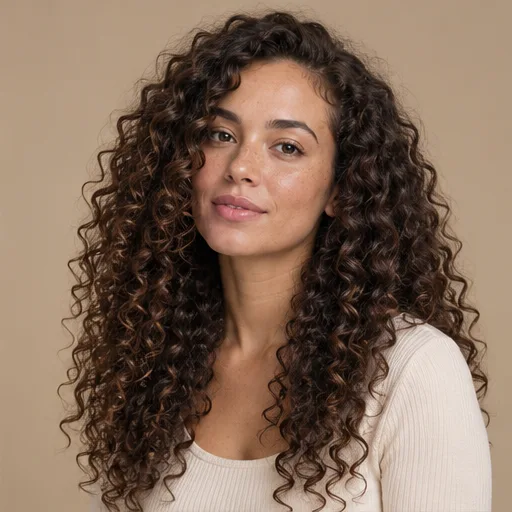
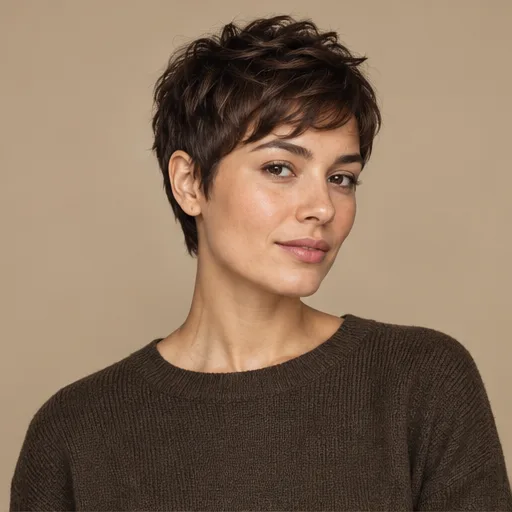
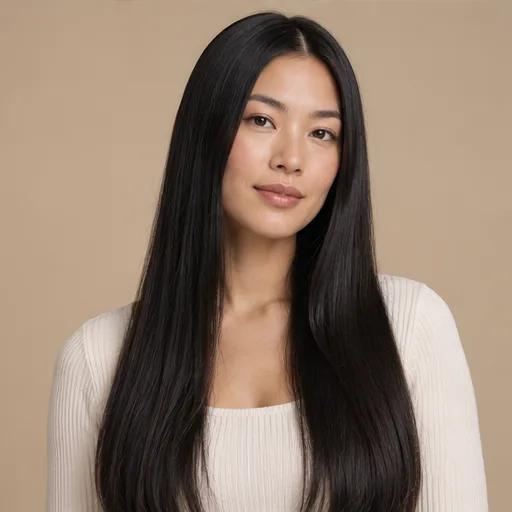
Concept references for shape and placement. Use the differences you like in your consultation; these are not step-by-step results or predictions for your hair.


Compare your options
Straight with softly finished ends
A paddle brush keeps the silhouette close and emphasizes the cut's perimeter. This can suit a lob or longer one-length shape. It offers less dramatic root lift than a deliberately rounded blowout.
Ask about: Can you show the direction that makes my perimeter sit evenly without extra straightener work?
Rounded volume
A round brush creates a fuller outline and a curved end. The result depends on both the haircut and how sections cool. It takes more coordinated brush work, especially behind the head.
Ask about: What brush size and section width can I manage at home for this amount of curve?
Stretched natural texture
Keep some movement while organizing the shape. This can be a more realistic goal for curls and coils than trying to erase all texture. Plan the silhouette and comfort first.
Ask about: Can we retain some texture and still create the length or root direction I want?
Tools, preparation and timing
Gather a dryer with an adjustable heat and airflow setting, its compatible nozzle, sectioning clips, a detangling tool and a brush you can control. A paddle brush suits a straighter finish; a round brush gives a curve. Use styling and heat-protection products according to their labels. Their presence is not permission to keep reheating a stubborn section.
Begin with washed and conditioned hair, then blot excess water. Let straight hair dry a little before gently detangling; keep tightly curled or coily hair damp for gentle detangling in manageable sections, with suitable slip. For straight or wavy hair, let the lengths become partly dry before the round- or paddle-brush drying work so you are not polishing soaking sections. Keep the prepared sections manageable as you work. Budget an estimated 25–50 minutes for a medium-length blowout, plus any separate air-drying time; dense or long hair may require substantially longer.
Keep heat moderate and passes limited; AAD's heat-styling guidance is at aad.org source. If the scalp feels hot, stop and adjust rather than working through discomfort.
Work through the head in sections
Choose a section narrow enough that your brush supports it and thin enough that airflow reaches it. A large section that stays damp underneath is slower overall than several controlled ones.
- Set the part and separate the hair into a lower band and an upper clipped section. On dense hair, divide each band again. Keep loose clips clear of the dryer's airflow.
- Dry the roots of the first section in the direction you want them to sit. For lift, support the hair upward with the brush; for a closer silhouette, guide it down and away from the scalp.
- Place the brush beneath the mid-lengths. Follow it with the nozzle aimed along the hair toward the ends, keeping the nozzle moving and away from the hair and skin. Do not press the dryer against the brush.
- Make a controlled pass, then assess whether the section is dry. Repeat only where necessary. Turn the brush gently at the ends if you want a curve; a larger turn creates more bend.
- Release the finished section and allow it to cool while you work on the next. Avoid winding long hair repeatedly around a small round brush, which can make removal difficult.
- Work upward in similar sections. Finish the front last, directing it away from or toward the face according to your chosen shape. Let the whole style cool, then use fingertips or a light brush-through to join the sections.
Choose the adaptation before the first pass
For a short bob, a smaller brush may reach the nape more easily, but keep the curve soft if you want a blunt outline. For long hair, use clips to keep finished sections away from damp ones. On fine or lower-density hair, concentrate on root direction and avoid loading the ends with finishing products that separate them into sparse-looking pieces.
A curly or coily blowout changes the visible texture temporarily and may take more preparation than the straight-hair example. Work in smaller detangled sections and choose a stretched, softly textured finish if a completely smooth result requires persistent pulling. A stylist can demonstrate a comfortable method on one section. If you want to keep curl definition instead, use the curl-definition guide and a diffuser rather than brush tension.
When the result is uneven
Puffy roots with polished ends usually mean the section near the scalp was not fully dried or directed. A flat crown may mean it cooled in the wrong direction. Revisit only the affected small area after reassessing moisture and heat; do not repeat a full-head blowout automatically.
If the brush catches, turn off the dryer, stop pulling and unwind the hair carefully. If the ends point in different directions, check whether you rotated the brush consistently. In humid weather, keep an alternative part or loose updo in mind: a blown-out shape may change, and layering stronger products cannot guarantee weather resistance.
Take this to your appointment
A starting point for your brief
Please demonstrate a blowout I can repeat with one dryer and brush. My target is ___ at the roots and ___ at the ends. Show me the first section, how damp it starts, and when to stop. My usual time allowance is ___, and I prefer to retain ___ of my natural texture.
Use this in my briefAdapt the wording to your own hair, preferences and history.
Common questions
Should I finish every blowout with a straightener?
No. A blowout can be the complete finish. If the silhouette is right, more hot-tool work may not add anything useful.
Why does one side flip outward?
Section direction, the way the ends sit on the shoulders, natural growth and the cut can all change the result. Compare the brush movement first, then discuss persistent imbalance at your next haircut.
Sources & further reading
Sources accessed 3 October 2026. These publishers have not reviewed this guide. Our editorial standards explain our method.