Styling how-tos
Style short hair three ways without changing the cut
Shape a pixie, crop or short bob with root direction, piece placement or natural texture, including a practical routine and common fixes.
Upkeep: The daily reset is separate from keeping the haircut outline. Revisit the cut when the fringe, ears or nape no longer sit where you want them.
Effort is a planning estimate. The specific option and your routine change the commitment.

The starting point
Short hair changes most visibly at the roots and perimeter. A new part, a lifted front or a deliberately flatter side can alter the whole outline even when there is little length to work with. Start by identifying the longest section and the area that tends to move in its own direction.
Compare the visual directions
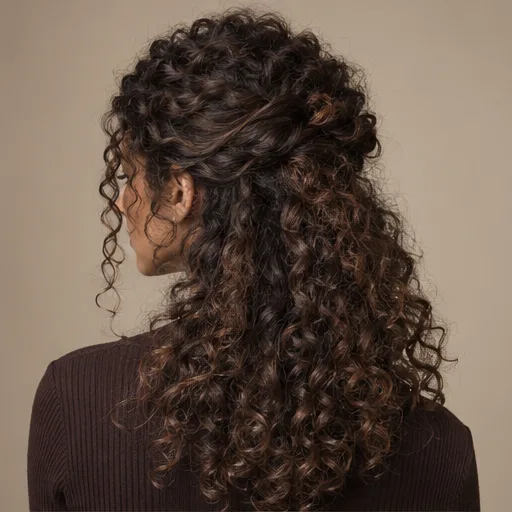
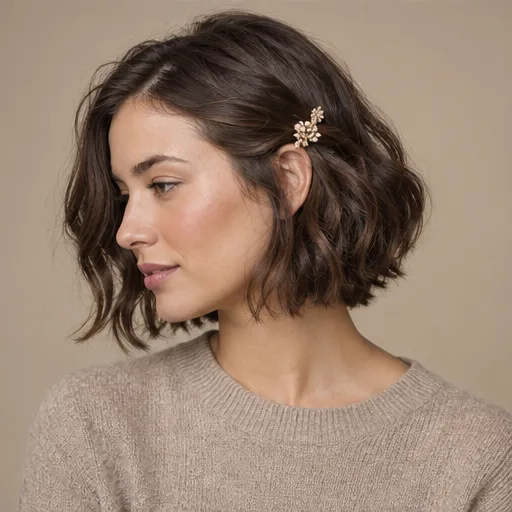
Concept references for shape and placement. Use the differences you like in your consultation; these are not step-by-step results or predictions for your hair.

Compare your options
Close and softly separated
A low-profile finish that reveals the cut's outline. It suits someone who likes a small amount of product and a clear part, but it will not disguise an unwanted perimeter.
Ask about: Can the sides sit close without daily heat, and which pieces should remain soft?
Lifted or swept front
Uses the longest top section for height or movement. It gives a visibly different silhouette but asks for root placement after washing or sleep.
Ask about: How much front length do I need to create this direction, and what will happen around my cowlick?
Defined natural texture
Keeps the curl or coil visible and lets the outline come from the cut. Drying time and shrinkage matter more than the size of the product collection.
Ask about: Please show the shape dry and identify the few sections that need deliberate placement.
Choose what you want to change
Look at the hair dry before wetting it. Is the problem a flat crown, a fringe that separates, an outward flip at the ear, or simply a finish that feels too uniform? Pick one target. A pixie with a long top has different styling possibilities from an evenly short crop, and a chin bob has a perimeter that can be tucked, curved or left blunt.
Have a spray bottle, a comb or small brush, clips if useful, and a familiar styling product. A dryer is optional. Begin with clean hair or hair that is not heavily coated with earlier products. Plan an estimated 5–12 minutes of hands-on styling. If you dampen the whole head or define curls, allow a separate drying period; short dense hair can still take time to dry at the roots.
A root-direction reset for a crop or pixie
Use this sequence when the shape is close to what you want but the roots dried in the wrong direction. A light mist only on the surface may not change a firmly set root.
- Identify the small area to reset, such as the fringe or crown. Dampen that section through to its roots without soaking unrelated lengths.
- Guide the roots with your fingertips or comb in the intended direction. For a cowlick, first observe how it naturally separates, then try a nearby direction rather than forcing a sharp opposite part.
- If using a dryer, choose comfortable lower heat and airflow. Keep it moving while guiding the roots. For lift, support the section upward; for a closer side, direct it gently downward.
- Let the section dry and cool in that position. Release it before deciding whether it needs more shaping. Repeatedly touching it while damp can undo the direction you just made.
- Rub a very small amount of finishing product between your hands. Touch the mid-lengths and ends first, then use the residue for individual pieces. Keep product off the scalp unless its label directs otherwise.
- Check the profile and back. Change only the pieces that interrupt the shape, leaving some natural variation instead of making every strand point identically.
A bob and a natural-texture route
For a short bob, decide whether the ends should sit straight, turn inward or move away from the face. Style one side with fingers or a brush, then match the direction on the other. Tuck one side behind the ear only if it reaches comfortably; a small clip can create the same open face without stretching it. A blunt bob often looks deliberate with very little separation at the ends.
For waves, curls and coils, begin with enough dampness to regroup the sections you actually want to define. Apply a small amount of your usual styler and arrange the outer silhouette. Short coils can keep a full rounded shape or a closer side with a defined top. Do not rake through a finished dry shape if your goal is to preserve its existing groups.
Solve the finish, then reassess the cut
If product makes the hair look greasy or stringy, use less at the next wash and apply it to the ends before the roots. If the front stands up when you want it down, dampen the roots and redirect them before adding hold. If the sides repeatedly look bulky, styling may only disguise a weight distribution you want changed at the next cut.
A short cut's outline becomes different as the fringe reaches the eyes or hair collects around the ear. Keep a photo of the week you like best and show that at the next appointment. You can request a perimeter tidy while retaining top length, or a full shape reset. AAD advises moderating heat exposure: aad.org source.
Take this to your appointment
A starting point for your brief
I wear my short hair ___ most days and can spend ___ minutes styling. Please separate what the cut will do by itself from what needs root resetting. I want to keep ___ around the ears, ___ at the nape and ___ through the fringe.
Use this in my briefAdapt the wording to your own hair, preferences and history.
Common questions
Can short hair still have a low-effort routine?
Yes, but low daily effort and infrequent haircut appointments are different preferences. A precise outline may need more frequent professional reshaping even when the daily routine is simple.
Should I cut off a difficult cowlick?
Do not assume shorter will solve it. Ask how the growth direction behaves at different lengths before removing the section you use to weigh or guide it.
Sources & further reading
Sources accessed 3 October 2026. These publishers have not reviewed this guide. Our editorial standards explain our method.