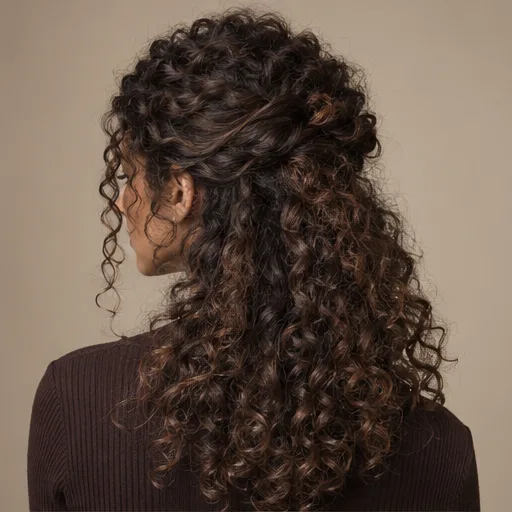
Men’s hair
Medium men's hair: curtains, swept shape or relaxed flow
Choose medium men's hair by part, fringe movement and side weight, with a repeatable routine and practical grow-out decisions.
Upkeep: Maintain the front, ear area and connection as they grow. If moving toward longer flow, preserve the needed side length rather than automatically repeating a close-side service.
Effort is a planning estimate. The specific option and your routine change the commitment.
The starting point
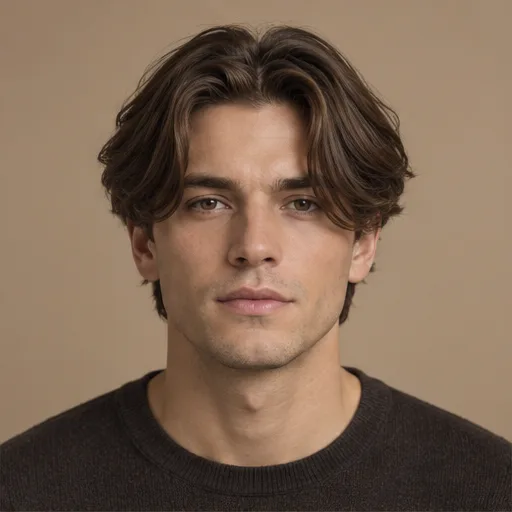
Medium-length men's hair gives you enough movement to change the part and front direction. Curtains divide the front, a swept shape moves it across or back, and a relaxed flow lets the sides travel toward the ears or nape. Decide how you want the hair to fall naturally before choosing how short to make the edges.
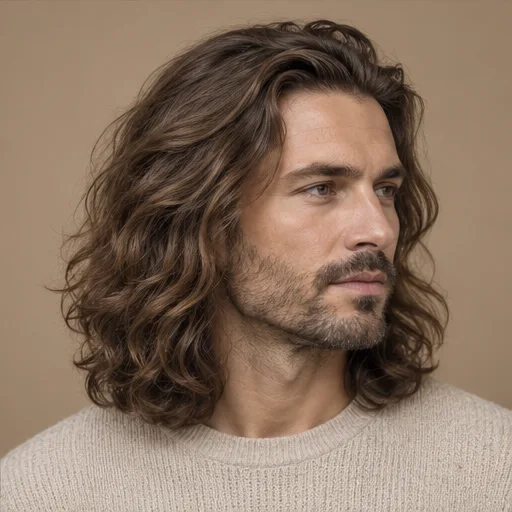
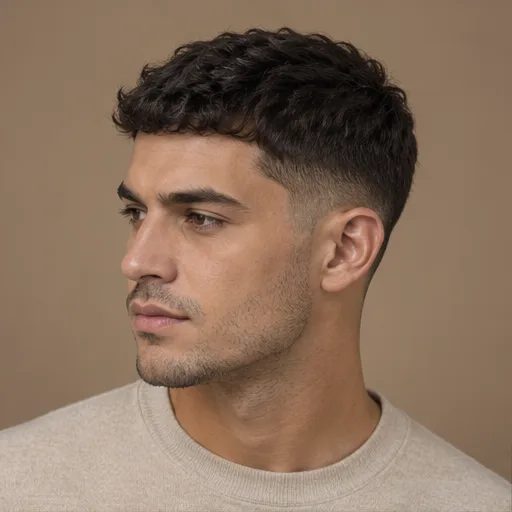
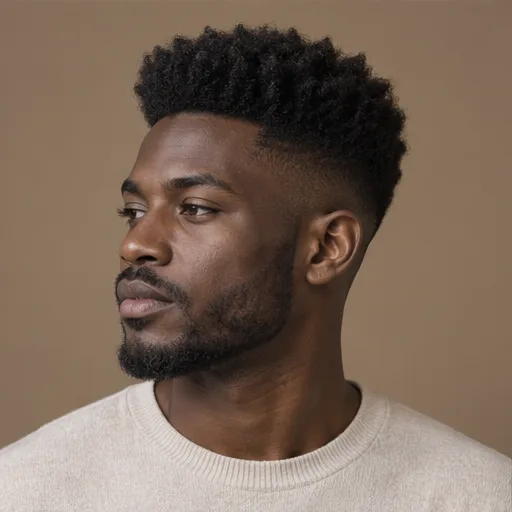
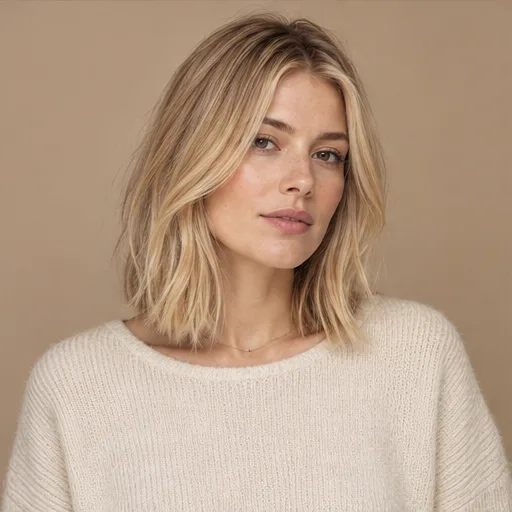
Compare the visual directions
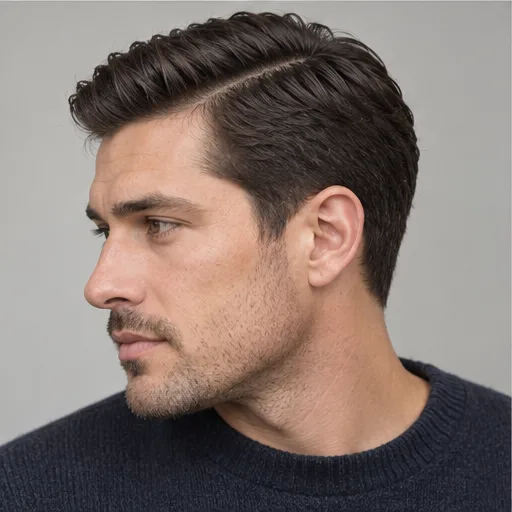
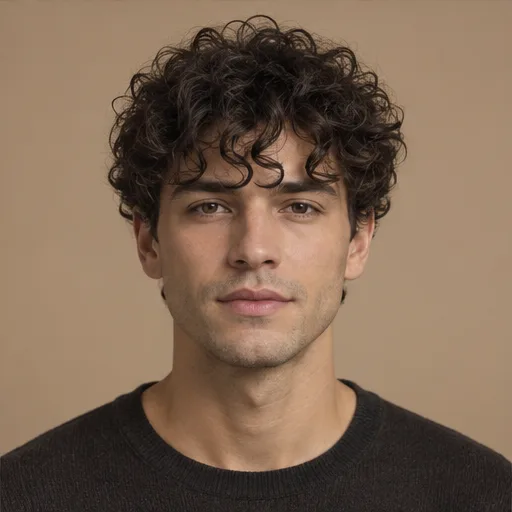
Concept references for shape and placement. Use the differences you like in your consultation; these are not step-by-step results or predictions for your hair.
Compare your options
Soft curtains
A visible part and two moving front sections. Works best when the front can fall comfortably; it may need root direction after washing or sleep.
Ask about: Where does my natural front split, and how long should each side sit when dry?
Swept top or modest quiff
Creates a chosen direction or some front height. It offers a tidier face opening but generally asks for more deliberate root placement.
Ask about: What length will hold this direction without a heavy daily product layer?
Connected scissor flow
Retains movement around the ears and back. It tolerates a softer outline but needs a clear grow-out plan so the shape remains intentional.
Ask about: Can we keep enough side length to tuck while controlling the bulk above the ears?
Define the top silhouette
Curtains need enough front length to fall on both sides of a part. The part can be central or slightly off-center, and the split need not be perfectly symmetrical. A swept style needs a direction and enough length to follow it. A quiff creates height at the front instead of letting that length fall. Relaxed flow prioritizes movement around the sides and back.
These are not interchangeable requests. A heavily shortened side can remove the hair needed for an ear-tucking flow, while a long disconnected top can look very different from a fully blended scissor shape. Choose the front behavior first, then ask how the side and crown lengths support it. Bring a reference in an ordinary finish if your goal is ordinary daily wear.
Keep sides and neckline part of the plan
A scissor blend retains side movement and can make a medium top feel continuous. A low taper tidies the edges while keeping more weight above them. A stronger fade emphasizes the top and reduces the side movement; it is a valid choice, but it changes the silhouette substantially. Confirm where any transition starts and whether skin should be visible.
At the nape, decide whether you want a soft natural edge, a tidy taper or some retained length. The neckline should fit the larger shape rather than being selected automatically. If you wear glasses, show how the sides meet their arms. If you tuck hair behind your ears, keep enough actual length to do that comfortably.
Set up a repeatable curtain or sweep
Begin with clean or lightly reset damp hair. Have a comb, clips if the hair is dense, an optional dryer and a light familiar styler. Allow an estimated 8–15 minutes of active work. Air-drying adds separate time; very dense or curly hair may require substantially longer to dry completely.
- Place a part that works with the natural front growth. Try a slightly shifted part if an exact center split repeatedly opens somewhere else.
- Comb or guide each front section away from the part. For a sweep, move both toward the chosen direction instead, leaving the roots relaxed.
- Arrange the sides according to the haircut: toward the ears for flow, softly down for a connected shape, or away from a close transition.
- Allow the roots to dry in that direction, or use a moving dryer with comfortable lower heat and airflow while guiding with fingers or a brush.
- Once dry, apply a small amount of finish through the lengths. Keep the front mobile if you want curtains, or define the swept outline without coating every strand.
- Check whether the crown and back connect to the front. Use a rear mirror or a photo; a good front part does not automatically create the whole shape.
Texture and density adaptations
Straight fine hair may show a strong central separation, so keep product light and compare a less exact part. Dense straight hair can require internal weight planning to move around the ears without creating a ledge. Wavy hair can make curtains look softer, but the two sides may bend differently; choose balance rather than identical curves.
Curls and coils can form a medium fringe, a rounded shape or a parted arrangement with texture retained. Establish the dry length and where the volume should sit before cutting. A straight-hair curtain reference may need reinterpretation rather than a blowout every day. If heat is part of your chosen routine, keep exposure moderate; AAD guidance is at aad.org source.
Manage the in-between stages
Medium hair often changes first around the ears and fringe. If the front reaches the eyes, decide whether to sweep it aside, use a temporary clip at home or shorten the face framing. If you are growing toward long hair, ask for shape maintenance that preserves the lengths you need rather than repeating a short-side reset by habit.
If the sides flare, compare the natural growth direction and the weight distribution with the stylist. More product may hide the issue only briefly. Keep a photo of the dry, unstyled shape alongside the finished reference so the next consultation distinguishes the haircut from the styling.
Take this to your appointment
A starting point for your brief
I want my medium top to fall ___ with the part ___. Keep enough side length to ___, use a ___ transition, and finish the neckline ___. I usually air-dry/use a dryer and can spend ___ minutes styling. My next length goal is ___.
Use this in my briefAdapt the wording to your own hair, preferences and history.
Common questions
Can I have curtains without a center part?
Yes. A slightly off-center split can preserve the curtain idea while working with your growth pattern and preferred balance.
Should I fade the sides while growing medium hair?
Only if that contrast is part of the goal. Repeatedly shortening the sides can delay an all-over flow or ear-tucking shape.
Sources & further reading
Sources accessed 3 October 2026. These publishers have not reviewed this guide. Our editorial standards explain our method.