Men’s hair
Fades and tapers: separate the top, sides and neckline
Understand fade height, taper placement, skin visibility and neckline choices, then write a barber brief that goes beyond a guard number.
Upkeep: Return when the chosen transition or edge no longer has the definition you want. An edge tidy and a full recut are different services; confirm whether the top length should be preserved.
Effort is a planning estimate. The specific option and your routine change the commitment.
The starting point
A fade or taper describes part of the transition in length; it does not specify the entire haircut. Decide on the top shape first, then where the side transition sits, how short its lowest point becomes, and how the neckline is finished. Barbers use some terms differently, so confirm the shape with a photograph and a verbal description.
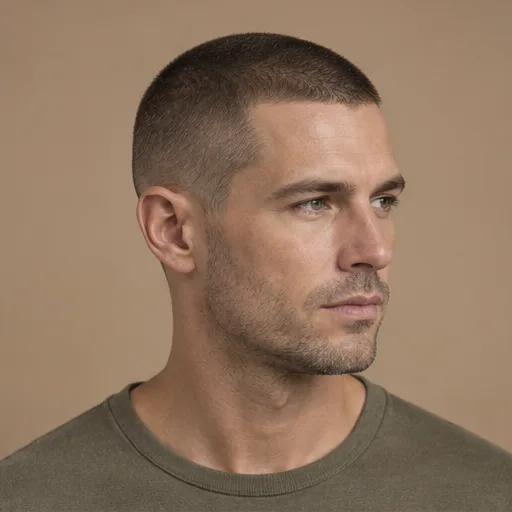
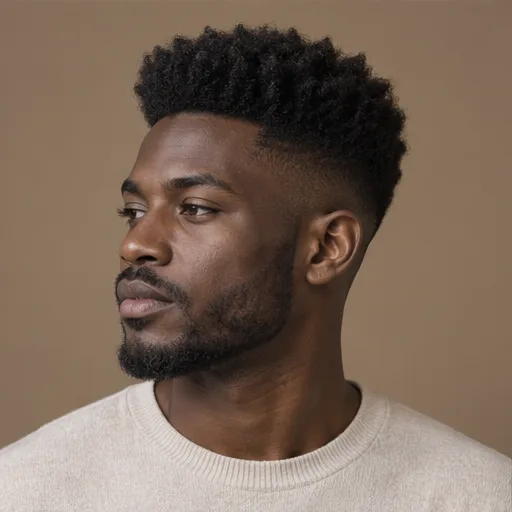
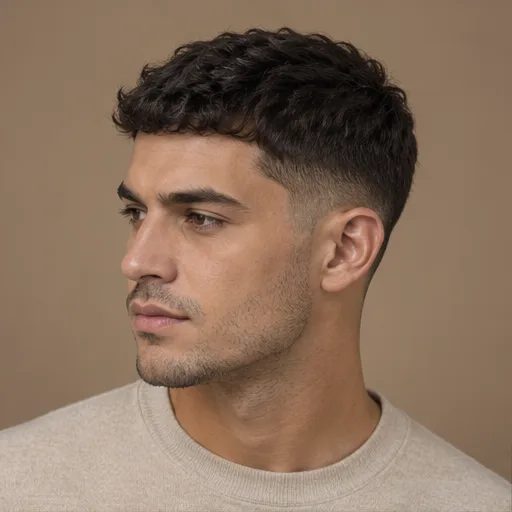
Compare the visual directions
Concept references for shape and placement. Use the differences you like in your consultation; these are not step-by-step results or predictions for your hair.
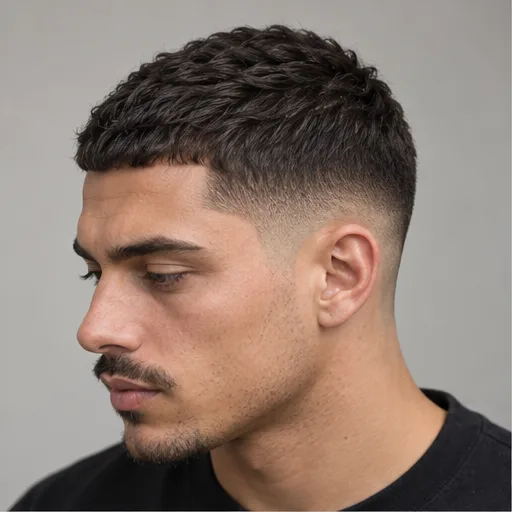
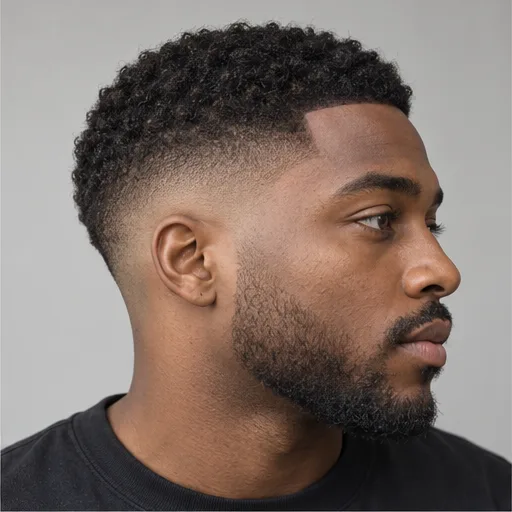
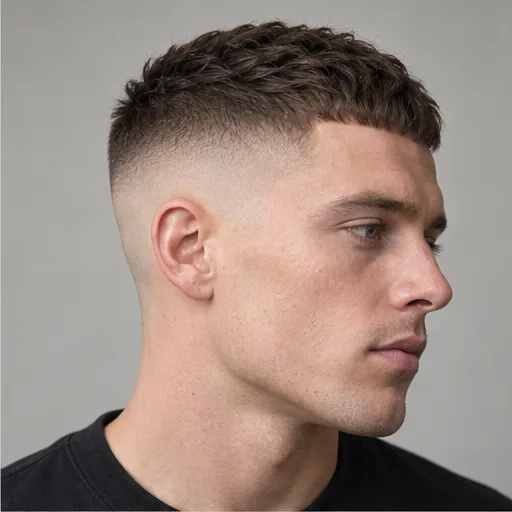
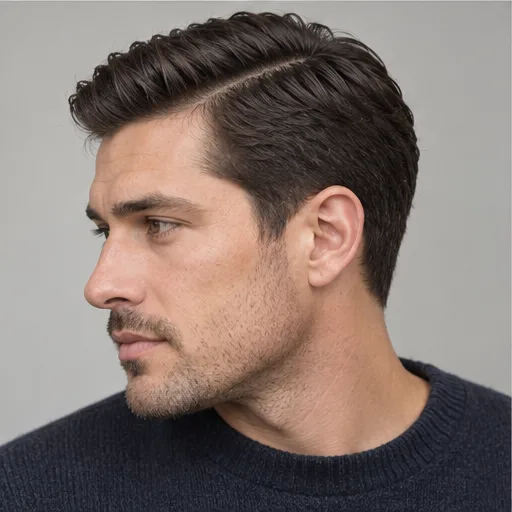
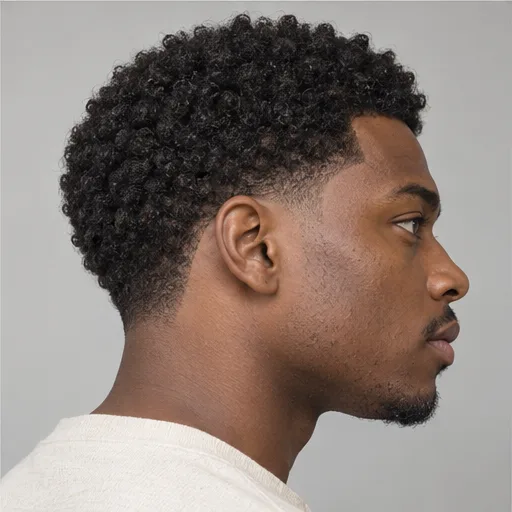
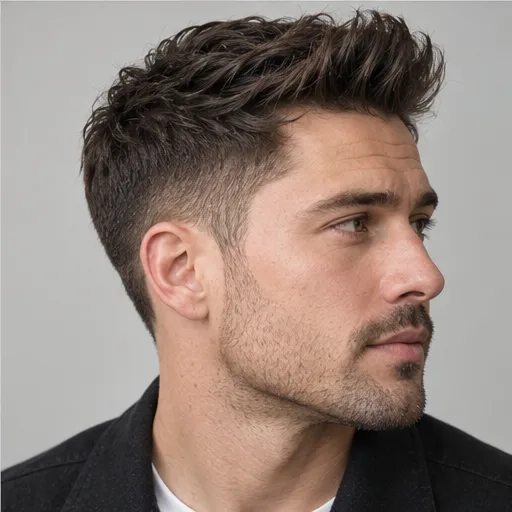
Compare your options
Localized taper with side weight
Keeps more of the side silhouette while shortening around the edges. It can connect to a scissor top or natural texture without making skin exposure the main feature.
Ask about: Please show where the taper starts and confirm how much weight stays above it.
Low or mid fade
Creates a visible transition while leaving a chosen amount of height above it. Specify skin exposure and the connection to the top, since the height label alone is incomplete.
Ask about: At the lowest point, do we leave visible hair or show skin, and where will the transition finish?
High contrast with a defined top
Makes the top silhouette the focal point. It asks for careful planning of the outline and a willingness to maintain or visibly grow out the contrast.
Ask about: Will this be connected or disconnected, and how will the shape look several weeks later?
Know which decision you are making
A taper usually refers to a gradual shortening, often concentrated near the sideburns and nape. A fade usually describes a more noticeable transition across the sides and back. The boundary between those words is not universal. Say whether you want most of the side weight retained or a clearly exposed transition around the head.
Low, mid and high describe where the transition sits, but they do not tell the barber the final skin exposure or the exact outline. A low skin fade and a low taper can look very different. Ask the barber to indicate the intended transition on your head before cutting. A guard number describes a tool setting, not every detail of the finished silhouette.
Make four separate choices
First choose the top: a forward crop, a short upright shape, a side sweep, curls or a high-top. Decide the fringe direction and the dry length you want left. Second choose the side silhouette: close, softly connected or deliberately disconnected. Third choose the shortest finish, including whether skin should be visible. Fourth choose the neckline: natural, softly tapered, rounded or squared as appropriate to the haircut.
The neckline can make a cut look more geometric or more softly finished, but it does not remove the need for a grow-out plan. Show whether you like a clear edge or prefer new growth to blend into a natural outline. Discuss the sideburns and any beard connection separately; a beard fade is another transition, not an automatic part of the haircut.
Bring texture and density into the conversation
Straight hair can show a strong ledge where long top weight meets very short sides; ask whether you want that contrast or a softer connection. Wavy hair may bend out at a transition as it grows, so show the barber your usual finish. Fine strands and low density are different concerns: removing side weight can change contrast around the top, but no fade height is universally best.
For curls and coils, establish the top shape when dry and discuss how much length is being retained in its natural state. A coily high-top depends on the outline above the side transition, while a rounded curly crop may need a gentler connection. Ask what happens at the crown or any growth pattern that resists the reference direction. A picture of the back is especially useful for these discussions.
Maintain the top at home
Begin with clean hair or lightly reset roots rather than a thick layer of old product. Have a comb or fingers for direction, a small amount of your familiar styler and an optional dryer. Allow an estimated 5–10 minutes of active work; washing and complete drying take separate time.
- Check the top dry and decide whether it needs a full reset or only a small dampened area at the fringe or crown.
- For a crop, guide the front toward its intended fall. For a side sweep, place the part. For curls or coils, arrange the natural groups instead of combing a straight-hair direction into them.
- Dry the arranged top naturally or with comfortable lower heat and airflow. Keep the tool moving if used, and wait for the top to settle before finishing.
- Apply a small amount of finish through the lengths, concentrating on the shape rather than coating the close sides.
- Check the side-to-top connection in profile. If it needs constant camouflage, record that for the next appointment rather than adding more product every day.
Plan the grow-out honestly
A sharply exposed transition may look different sooner than a softer, longer blend. The appointment interval depends on how much change you accept, your growth and the finish you choose. Ask to distinguish an edge tidy from a full recut so you can choose deliberately. Do not shave higher yourself simply because a lower transition has grown in.
If styling keeps requiring more heat, reconsider the top length and direction with the barber. AAD's heat guidance is at aad.org source. Keep photos at different points between appointments; the stage you prefer may be slightly longer than the freshly cut version.
Take this to your appointment
A starting point for your brief
On top I want ___ with the front worn ___. Keep the sides ___, start the transition at ___, and leave ___ at the shortest point; I do/do not want visible skin. Finish the neckline ___ and connect the sideburns to ___. Please confirm the shape before choosing guards.
Use this in my briefAdapt the wording to your own hair, preferences and history.
Common questions
Does a low taper mean the whole side is very short?
Not necessarily. It often preserves side weight while shortening smaller edge areas. Show where you want length retained instead of relying on the name alone.
Can I specify only a guard number?
A guard can be part of the discussion, but it does not communicate top shape, transition height, connection, growth direction or neckline.
Sources & further reading
Sources accessed 3 October 2026. These publishers have not reviewed this guide. Our editorial standards explain our method.