Men’s hair
Long men's hair: choose the perimeter, layers and tie-back length
Compare long men's shapes, plan a grow-out and build a manageable wash-and-style routine with loose and tied-back options.
Upkeep: Use targeted perimeter or face-frame appointments to support the length goal. Any undercut has a separate refresh and grow-out commitment from the long shape above it.
Effort is a planning estimate. The specific option and your routine change the commitment.
The starting point
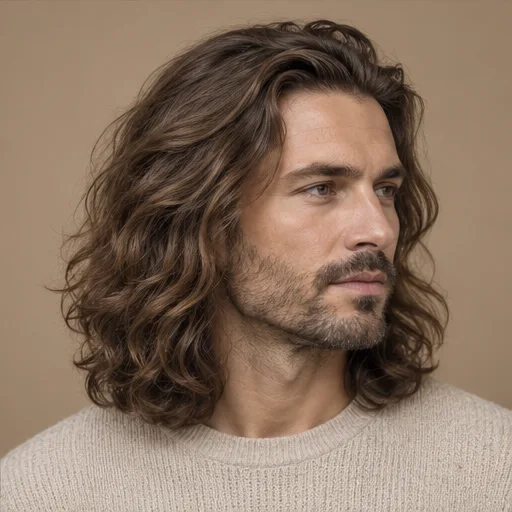
Long hair needs a shape as well as length. A stronger perimeter gives the ends a more solid outline, long layers create movement, and a shag changes the silhouette with shorter crown and face sections. Decide what must still tie back before choosing the shortest layer, and treat the sides and neckline as parts of the same long shape.
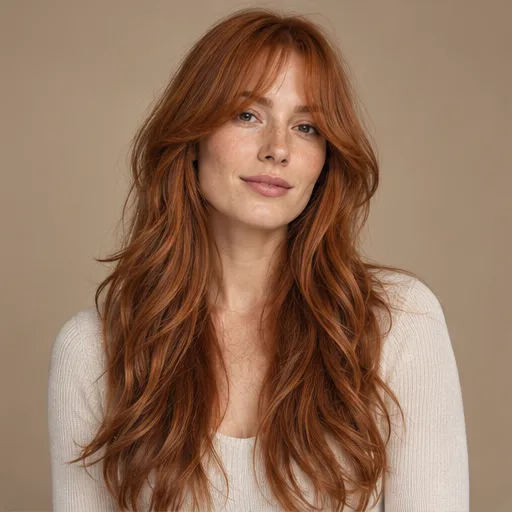
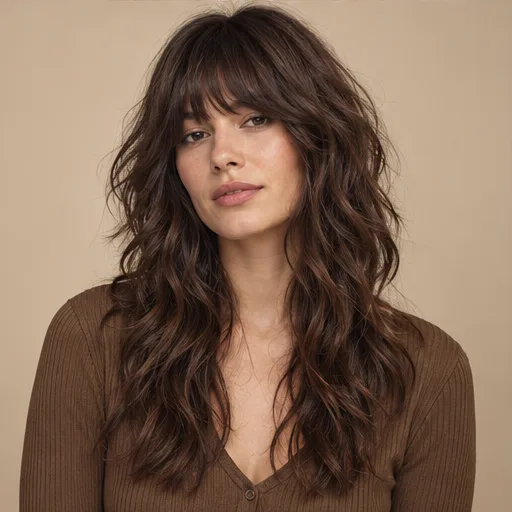
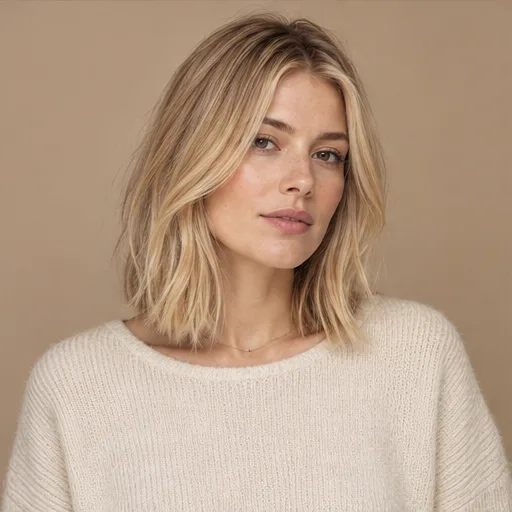
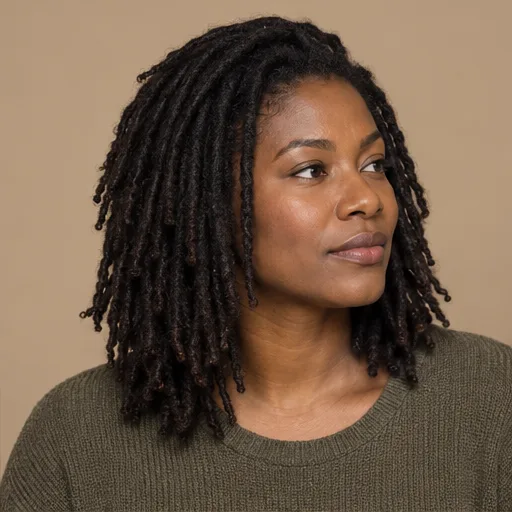
Compare the visual directions
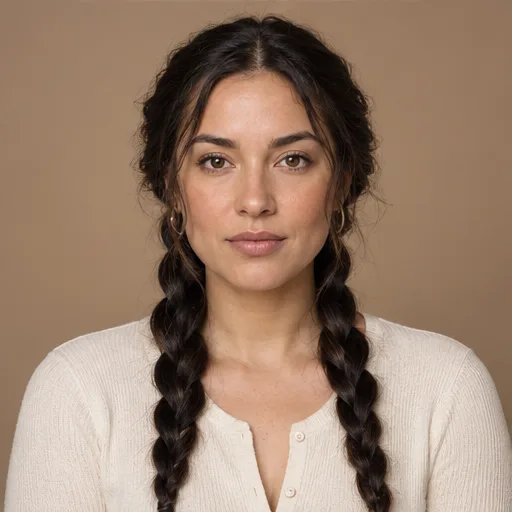
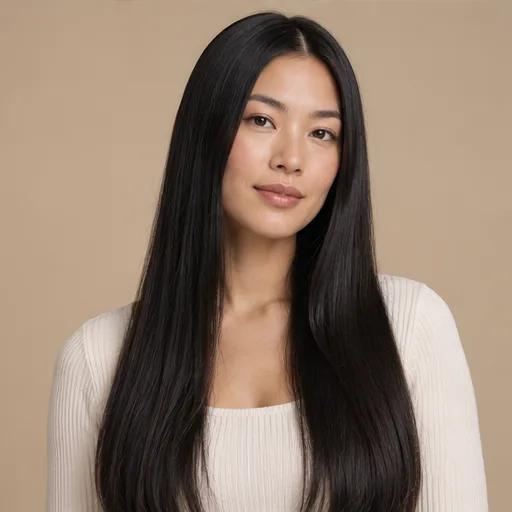
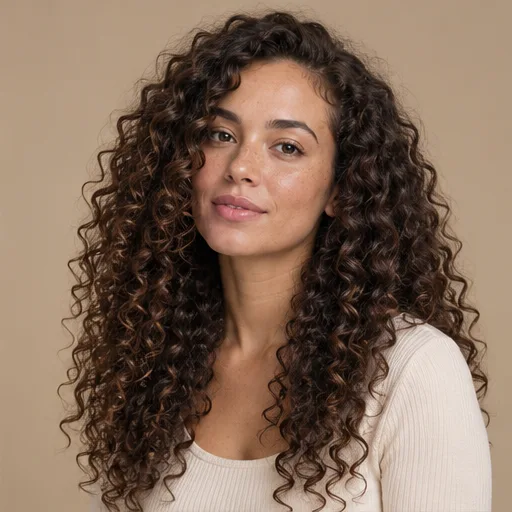
Concept references for shape and placement. Use the differences you like in your consultation; these are not step-by-step results or predictions for your hair.
Compare your options
Strong perimeter with minimal layers
Keeps the ends visually solid and provides a simple length goal. It can feel weightier, especially with dense hair, and the front may need separate framing.
Ask about: How much movement can we add without making the ends look sparse?
Long connected layers
Adds movement while keeping enough length for many tie-back options. The shortest layer determines what escapes from a ponytail.
Ask about: Please show the shortest layer dry and confirm whether it will reach my preferred tie position.
Long shag or disconnected shape
Creates a more visibly layered silhouette or deliberate side contrast. It offers expression but adds shorter sections that need styling and a different grow-out plan.
Ask about: Which sections will no longer tie back, and how will we maintain or grow out the contrast?
Choose what the haircut should do
A mostly one-length shape concentrates visual weight toward the ends. It can work well if you like a simple outline, but dense hair may feel heavy. Long layers redistribute movement while preserving much of the perimeter. A shag or strongly layered shape creates more visible separation and can make the crown fuller, but the shorter sections may not reach a tie.
The front matters independently. Long face framing can open the face while remaining easy to tuck, whereas a shorter fringe becomes a daily styling decision. Show the stylist where you want the shortest dry piece to land. Do not let a reference photograph's styling obscure that measurement: hair blown away from the face can look longer or more connected than it is at rest.
Keep the sides and neckline deliberate
A continuous long shape usually retains the sides so they can join the lengths or tuck behind the ears. An undercut or close side section creates a different design and a separate grow-out commitment. If you want one, specify how high it goes, what remains connected and how it appears when the long hair is tied up.
At the nape, decide whether the natural perimeter should remain, whether loose small hairs are simply left, or whether you want a defined shorter area. Ask how that choice will look when it grows. A shaved neckline is not a required finishing step for long men's hair. Consider collars, necklaces and how the hair feels when worn down as well as in a tie.
A wash-day and drying routine
Start with your normal cleansing and conditioning routine and detangle in a way suited to the texture. Have a soft towel, a suitable detangling tool, clips and an optional styler or diffuser. Estimate 15–25 minutes for sectioning and arranging after washing; washing itself and full drying are separate. Long dense hair may need hours to air-dry.
- Blot excess water and separate the hair into manageable areas. Work through tangles from the ends upward rather than pulling one tool from scalp to ends.
- Place the part and distribute your familiar styling product according to its label. Keep the amount appropriate to the desired finish rather than coating the hair simply because it is long.
- For straight or wavy hair, guide the front and lengths where you want them to dry. For curls or coils, arrange natural groups and decide where the finished volume should sit.
- Air-dry with space for the lengths, or use a comfortable lower heat and airflow setting while moving the dryer. If diffusing, work area by area without repeatedly disrupting the ends.
- Wait until the roots and interior lengths are fully dry before assessing the outline. Adjust a few front pieces, then leave the rest unless you deliberately want a brushed-out finish.
Tie-back and texture adaptations
For a low tie, gather only hair that reaches comfortably. Leave short front pieces loose or secure them separately rather than stretching them to the anchor. A loose braid can contain length that swings in a ponytail. If a high bun pulls at the nape, try a lower position or a half-up shape. Loosen painful ties; AAD's guidance is at aad.org source.
Fine strands can look more separated with too much layering or heavy finishing product; discuss how much perimeter you want retained. Dense hair may benefit from carefully placed layers rather than broad removal everywhere. Curly and coily long hair should be assessed dry for length and shape. Shrinkage and multiple curl patterns make a single stretched measurement incomplete. Existing locs have a separate maintenance and weight conversation.
Grow with a destination in mind
Name the next milestone: tucking the sides, reaching the shoulders or making a comfortable low tie. Ask which areas need to be preserved to get there. A maintenance appointment can reshape the perimeter or front without removing the length you are growing, but agree on that before the cut begins.
If the style keeps tangling at one length or looking heavy in one zone, show the problem in an everyday state. If you dislike the transition from an undercut, ask for a staged connection plan instead of repeatedly shaving it while hoping the long shape will become continuous. Photograph the back occasionally so your choices are based on the whole outline.
Take this to your appointment
A starting point for your brief
My long-hair goal is ___, and I need ___ to remain tieable. Keep the perimeter ___, place the shortest layer at ___ when dry, and leave the sides ___. At the neckline I prefer ___. Please show a loose routine and a comfortable tie-back option.
Use this in my briefAdapt the wording to your own hair, preferences and history.
Common questions
Do I need to cut the sides short to make long hair look neat?
No. A connected long shape can be deliberate and tidy. Short sides create a particular contrast, not a requirement for neatness.
Will layers make tying back impossible?
It depends on the shortest layer and the gathering point. Confirm those together before cutting rather than relying on the phrase long layers.
Sources & further reading
Sources accessed 3 October 2026. These publishers have not reviewed this guide. Our editorial standards explain our method.