Texture & density
Locs: separate the commitment from the styling options
Understand natural locs, smaller loc systems and temporary loc looks, then plan installation, maintenance, comfort and everyday styling.
Upkeep: Starting locs requires an ongoing method-specific maintenance relationship. Temporary installations need a take-down plan; established loc styling should preserve comfort and access for routine care.
Effort is a planning estimate. The specific option and your routine change the commitment.
The starting point
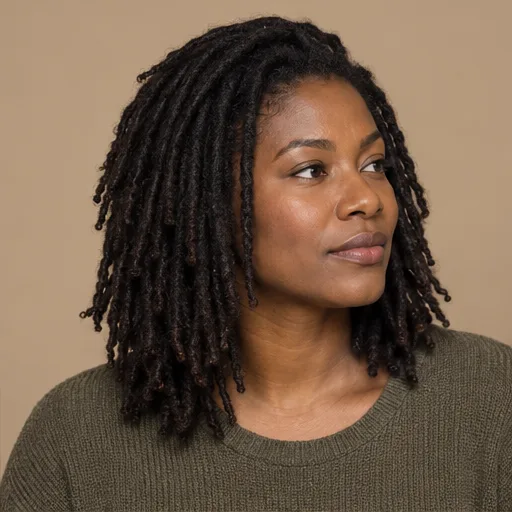
Decide first whether you want to start and maintain locs in your own hair or wear a temporary loc-inspired installation. Those are different commitments. For established locs, the decision is about shape, parting, length and comfortable styling. For a new journey, the consultation should explain the starting method, section plan, changing appearance, maintenance and realistic options if your preferences later change.
Compare the visual directions
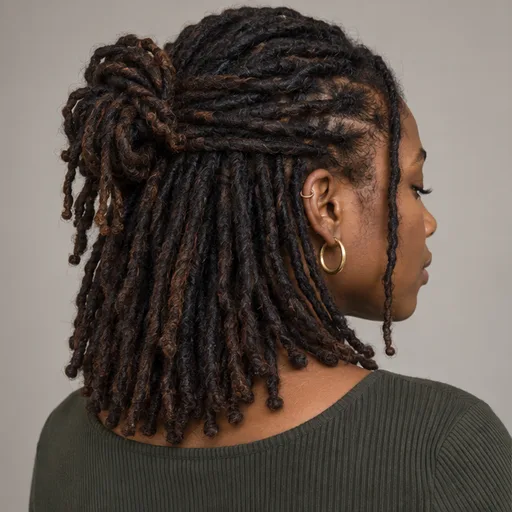
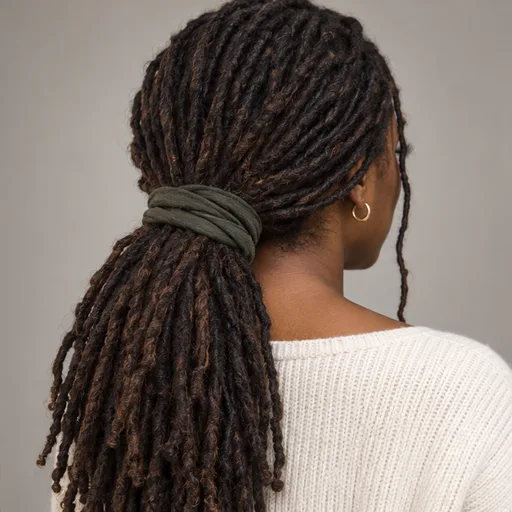
Concept references for shape and placement. Use the differences you like in your consultation; these are not step-by-step results or predictions for your hair.

Compare your options
A natural-loc journey
Choose this when you want an evolving, maintained loc style in your own hair. The early appearance, section plan and follow-up care are part of the decision, not merely the final photograph.
Ask about: Explain the starting method, expected stages, maintenance and what changing direction could involve.
A smaller-loc approach or named system
Smaller sections can create different movement and styling options, but the service and maintenance may be detailed. Verify the provider's relevant training and ask about the full commitment.
Ask about: Why is this size and method appropriate for my goals, and what ongoing appointments would I need?
A temporary faux or soft-loc look
Added hair can offer a temporary aesthetic, but attachment, weight, scalp access and removal remain significant. The temporary label does not make it automatically comfortable or harmless.
Ask about: Show the attachment method, a comfortable amount of added hair, and exactly how take-down will work.
Restyling existing locs
Choose among a loose side part for short locs, a modest half-up section for medium locs or a low gathered style when longer locs reach comfortably. Follow the steps above and let comfort determine the fastening. More elaborate occasion shapes may need professional help.
Ask about: Show me a secure, comfortable style at my current length and how to remove it without pulling.
Distinguish established locs from a temporary installation
Locs formed in your own hair develop and change over time. Temporary faux or soft-loc installations use added material and a particular attachment method to create a look for a limited period. Neither name tells you exactly how the service will be carried out, so ask the provider to explain the base and removal process.
If you are considering a named small-loc system, ask what training the provider has for that method and what the maintenance relationship involves. A small size does not automatically mean a simpler routine or a shorter appointment. Compare the full service plan rather than selecting only from a close-up picture.
Plan sections, size and parting together
Sectioning influences how the locs can move and be parted. Tell the practitioner whether you like a centre part, changing parts, a fringe effect or hair swept away from the face. Ask how the proposed arrangement supports those options and what may remain visible when the hair is gathered.
Discuss the amount and distribution of your hair rather than assuming the same number or size will suit everyone. The provider should explain the proposed starting method and how it relates to your hair and goals. You do not need to choose a technical method from a short online description; the important part is understanding its implications before agreeing.
Expect the look to evolve
A starting style and a mature loc style are not identical appearances. Ask to see examples showing the stages of the provider's work, with permission from the people pictured, and ask which changes are expected for the proposed method. Avoid a fixed promise about when your hair will look exactly like a reference.
If you want a particular length or silhouette, discuss what can be achieved now and what depends on growth or future shaping. Cutting established locs also changes the retained length and possible gathered styles. Agree the outline carefully and ask whether a temporary pinning arrangement can help you decide before removing length.
Understand the maintenance relationship
Ask how often the provider expects to assess your hair, what the appointments involve and what you should do between them. Retwisting and interlocking are not interchangeable words for one universal service. Get an explanation of the chosen method, its handling needs and the signs that you should request help.
Discuss cleansing, drying, product use, activity and headwear with the practitioner. A routine must be compatible with your life. If you travel or may move, ask what information another qualified provider would need to continue the maintenance consistently. Keep a simple record of the method and significant changes, without treating a generic internet schedule as a prescription.
Choose styling without unnecessary tension
For established locs, start with the simplest arrangements that suit the current length: a changed part, a low gathered style, half-up placement or a pinned shape. Check the weight and pressure when moving your head. An updo that feels manageable when still may pull when the locs swing or when accessories are added.
The American Academy of Dermatology includes locs and extensions among styles that can cause traction hair loss when they repeatedly pull. Pain, stinging or scalp soreness is a reason to loosen or remove the pulling arrangement, not a sign that it is secure. New thinning should be assessed by a qualified professional. aad.org source
Style established locs at the length you have
For these simple arrangements, start with your established locs in their normal cared-for state. Use a mirror and a soft tie or clip large enough for the section. These are styling options, not installation, retightening or removal instructions. If a loc does not reach a position comfortably, leave it out rather than pulling it across the scalp.
- A side part changes the frame without needing extra length.
- Half-up placement can keep the front clear while leaving more of the weight loose.
- A low gathered style depends on comfortable reach, not a particular measured length.
- Complex sculpted buns or heavy occasion accessories need an individual assessment of support and comfort.
- Short locs: make a soft side part with your fingers, following an existing division where possible. Move only the locs that fall naturally to the chosen side. If you want the front held away, secure a small reachable section with a comfortable clip; otherwise leave the side part unfastened. Turn your head and release any section that tugs.
- Medium locs: for a half-up shape, select a modest front or upper section while leaving the sides and back loose. Gather it toward a position it reaches without stretching and secure with a soft tie or appropriately sized clip. Leave short face-framing locs out if needed. Check that the fastener holds the section without forcing it into a tight bundle.
- Longer locs: for a low gathered style, direct the locs toward the nape with your hands and let them settle before securing. Use a tie that fits the bundle without repeated tightening. Keep the gathering low and loose enough for comfortable movement. If the weight pulls, release some hair into a half-up arrangement or wear it down instead.
- For every length: look from the front and side, move your neck normally and check the hairline. Remove or reposition a fastening that causes pressure. Take accessories out gently after wear rather than dragging them through the locs.
Discuss an exit route before you need one
Ask what changing or removing the chosen style would involve and who should do it. Do not assume that every loc installation can simply be unwrapped or that established locs can be combed out with a predictable result. The answer depends on the method, condition and goals. A responsible consultation can explain uncertainty without promising effortless reversibility.
For temporary installations, know which hair is yours and how the attachment is released. Do not cut near a guessed boundary. For a change to established locs, discuss length, shape and any specialist help before attempting a major adjustment at home.
Take this to your appointment
A starting point for your brief
I am considering ___ and my priorities are ___ length, ___ parting and ___ routine. Explain the section plan, starting or attachment method, maintenance, cleansing and drying, comfort checks and removal or change options. I do not want a result that relies on tolerating pain or unplanned upkeep.
Use this in my briefAdapt the wording to your own hair, preferences and history.
Common questions
Are faux locs the same commitment as natural locs?
No. They involve different starting or attachment methods and different maintenance and removal plans. Ask the provider to explain the exact service rather than relying on the finished appearance.
Can I always undo locs later?
Do not assume a predictable result. The method, condition and time involved can change the options. Discuss reversal, reshaping or cutting with a suitable practitioner before starting, and again before making a major change.
Sources & further reading
Sources accessed 3 October 2026. These publishers have not reviewed this guide. Our editorial standards explain our method.