Haircuts
Choose a short haircut you can live in
Compare crops, pixies, bixies and bobs by shape, texture, daily effort and grow-out, then build a clear request for your stylist.
Upkeep: A close crop or precise nape needs more outline upkeep; a longer pixie, bixie or bob offers more room to grow. Choose a next shape before deciding which areas to trim.
Effort is a planning estimate. The specific option and your routine change the commitment.
The starting point
A useful short-hair decision starts with what you want to keep: a fringe to move, enough length to tuck, softness around the ears, or a clean nape. Decide those details before choosing a cut name. Short can reduce drying and detangling work, but a precise outline may ask for more appointments. Choose both the silhouette and the routine.
Compare the visual directions
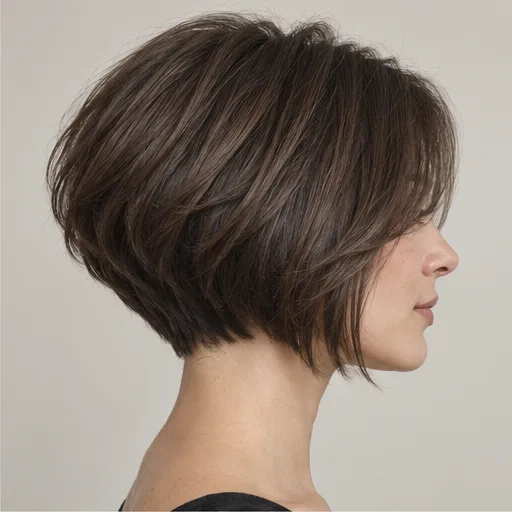
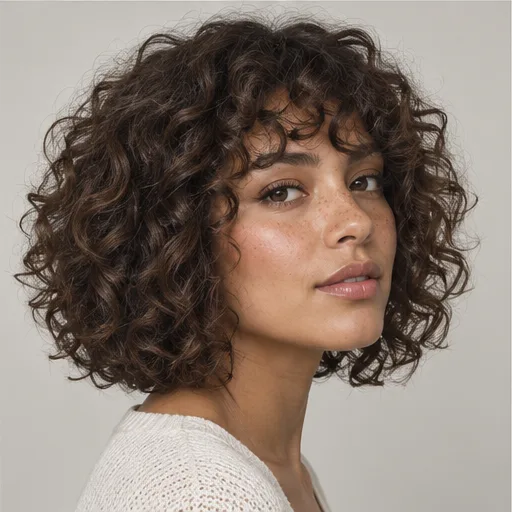
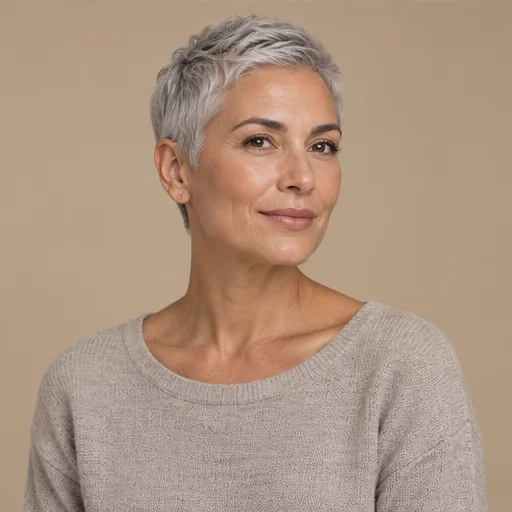
Concept references for shape and placement. Use the differences you like in your consultation; these are not step-by-step results or predictions for your hair.
Compare your options
Close crop
Choose this when an open neck and an uncluttered silhouette matter more than tucking or tying back. The hairline and head shape are visible, and maintaining a particular perimeter may need frequent attention. A crop can be soft and scissor-shaped or much closer; specify which.
Ask about: Show me the shortest area and explain how the hairline will be finished.
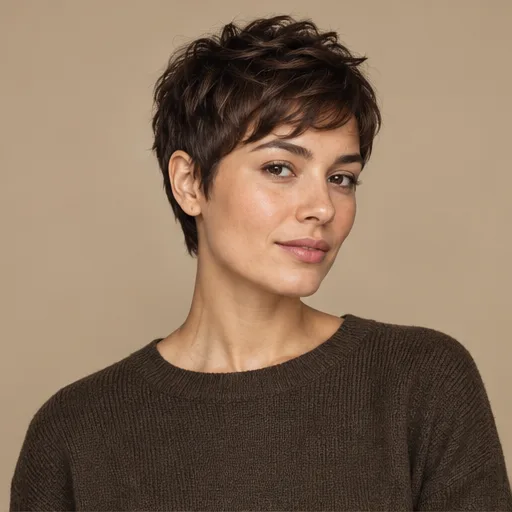
Pixie with a movable front
A longer top or fringe gives a short outline several styling directions. It suits someone who enjoys changing the front with a little water, drying or product. The tradeoff is that the longer section may need more attention than the cropped back.
Ask about: Keep enough front length to move it to either side, and show me the simplest everyday finish.
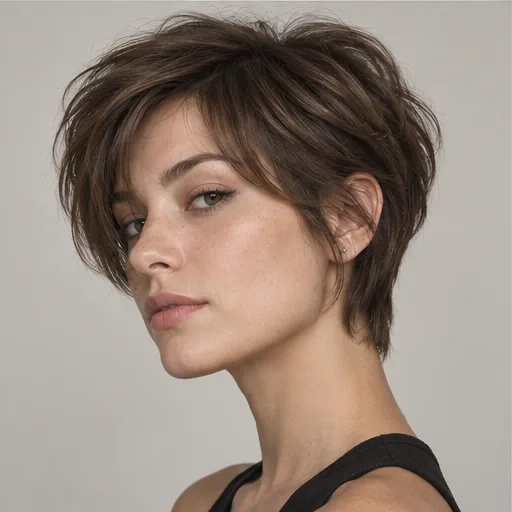
Bixie
A bixie keeps more bob-like length around the head with pixie-like layering. It is a useful choice for softness near the ears or for a deliberate pixie grow-out. It can become wide around the sides if its weight placement is not planned.
Ask about: Keep the ear area soft and explain where the fullness will sit as this grows.
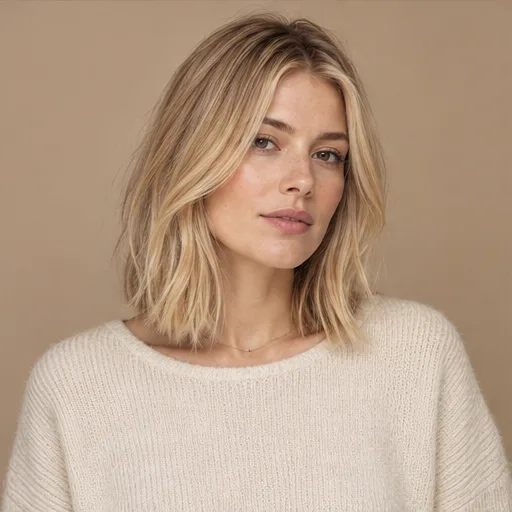
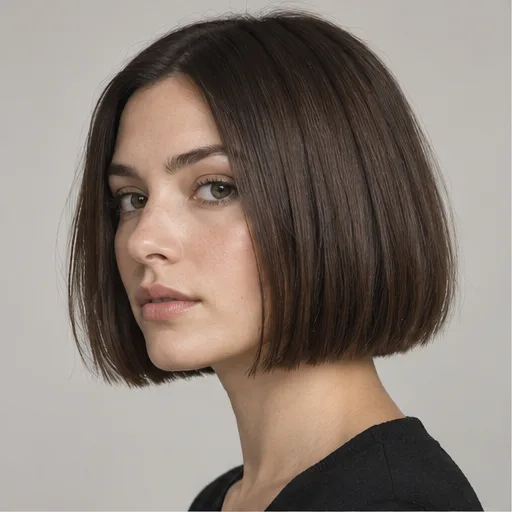
Short bob
A bob gives a stronger lower outline and more opportunity to tuck than many crops. Compare chin and jaw landmarks while the hair is dry. A blunt finish preserves an obvious edge; internal shaping can change movement without turning it into a layered crop.
Ask about: I want a clear perimeter at this landmark, with this much length left for tucking.
Choose the boundary before the style name
Stand in front of a mirror with your hair tucked or pinned back. Look separately at the forehead, ears, jaw and nape. You may enjoy an open neck while wanting a longer front; that is a different request from a short fringe with covered ears. Save a front and side reference, then write one sentence about the feature you like in each. A cropped nape in one picture does not oblige you to accept the fringe in another.
Check the longest and shortest points with your stylist. A jaw-length bob and a pixie with a sweeping front can share the same face-framing length while feeling completely different behind the ears. If being able to tuck your hair matters, demonstrate the action. If you wear glasses, put them on before the outline is agreed so the side pieces can be discussed in their everyday position.
Match the outline to the way your hair behaves
Straight hair makes a strong perimeter easy to see, so decide whether you like a crisp line or a softer edge. Waves may create useful movement in a bixie, but a fringe can bend differently from the rest. Curly and coily hair need a conversation about the shape and length you want when dry, including the effect of different curl patterns around the head. Bring a photo of your normal finish rather than only a salon blowout.
Fine strands are not the same as low density. If you see through the ends and want a solid outline, ask how much fullness will remain after layering. If there is a lot of hair around the ears or nape, discuss where weight should be reduced without making the entire cut shorter. Your stylist needs to see growth direction as well as the reference photo.
Separate morning effort from haircut appointments
Picture a normal wash day and a rushed morning. Would you be happy wetting the fringe and redirecting it, or do you want to run damp hands through the hair and stop? A smooth, lifted reference may need deliberate drying even when the cut is short. Ask for an ordinary finish at the appointment and practise the most important movement yourself.
A close crop changes its outline as the perimeter grows. A longer pixie can become a bixie, while a bob may simply move below your preferred landmark. There is no single correct return interval: agree on the sign that will tell you it is time, such as the fringe reaching your glasses or the nape losing its intended shape. Book around that preference rather than a universal schedule.
Make a big change in a useful order
A staged change is worthwhile when the uncertain part is length, but an in-between cut should have its own intentional shape. Keeping random extra pieces does not necessarily preserve options. If you are certain about a pixie but nervous about the fringe, that one detail can be left longer and reassessed dry.
- Identify the features you want uncovered and the pieces you need to keep.
- Compare a crop or pixie with a longer alternative, using similar natural textures.
- Discuss the shortest point, ear coverage and nape before cutting begins.
- Ask which part of the pictured finish comes from styling, then request a demonstration.
- Take a photograph of the agreed result from the side and back to help explain future adjustments.
Take this to your appointment
A starting point for your brief
I want to go short while keeping these pieces: ___. My usual texture is ___ and I am willing to style ___ each morning. Please confirm the shortest point, ear coverage and nape finish, show me an everyday result, and explain the next shape this cut can grow into.
Use this in my briefAdapt the wording to your own hair, preferences and history.
Common questions
Will short hair automatically be easier?
It can mean less length to handle, but ease depends on your texture and preferred finish. A precise crop may need more shape appointments; a long pixie fringe may need daily direction. Compare the whole routine, not just drying time.
Can I keep some hair around my face?
Yes. Front length, ear coverage and nape length are separate choices. Bring references that show the retained pieces clearly and ask your stylist how they connect, rather than requesting a uniformly short cut.