Occasion hair
Prom and party hair with a movement test built in
Compare party waves, a ponytail, a short textured finish and curly updos, with a rehearsal plan and a simple low-ponytail tutorial.
Upkeep: Allow a rehearsal for movement, clothing and accessories, plus event-day base preparation. If booking help, agree the finished style, service time and a simple repair plan.
Effort is a planning estimate. The specific option and your routine change the commitment.
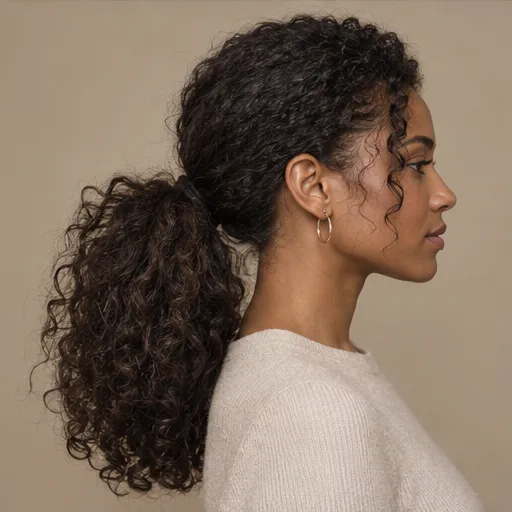
The starting point
Party hair needs to look good in motion as well as in a photograph. Choose where you want the volume, how much hair can touch your face and whether you want to keep your natural texture. Test the style with the actual neckline and accessories so dancing does not reveal a problem the mirror missed.
Compare the visual directions
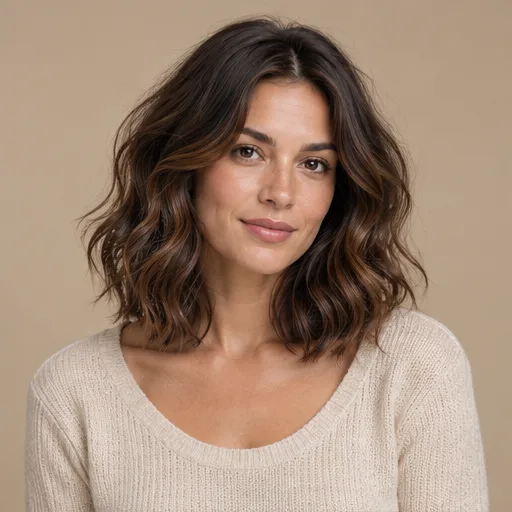
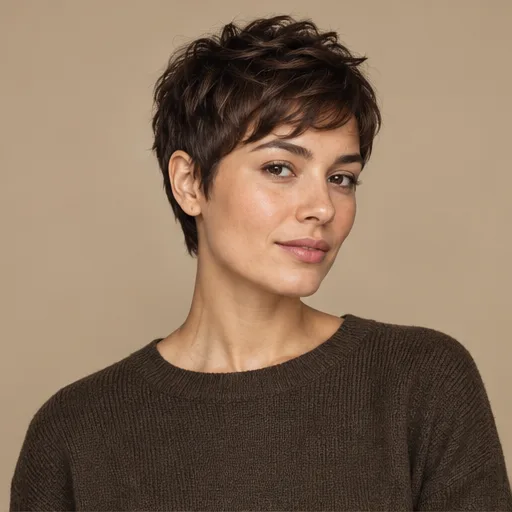
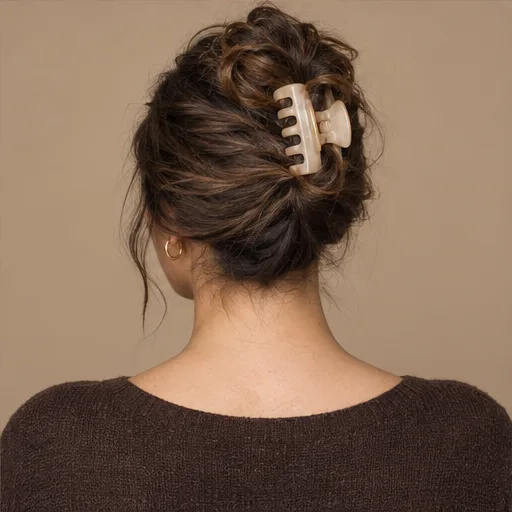
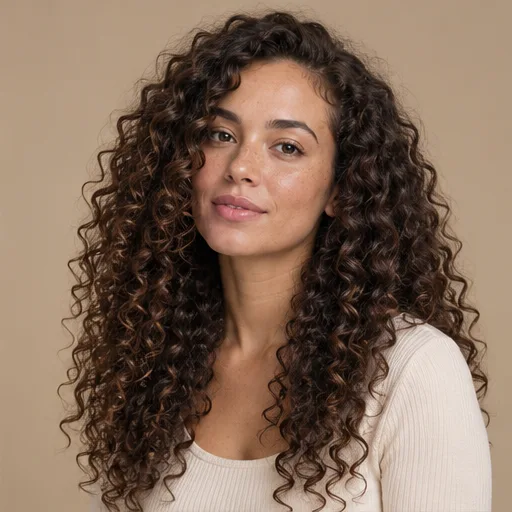
Concept references for shape and placement. Use the differences you like in your consultation; these are not step-by-step results or predictions for your hair.
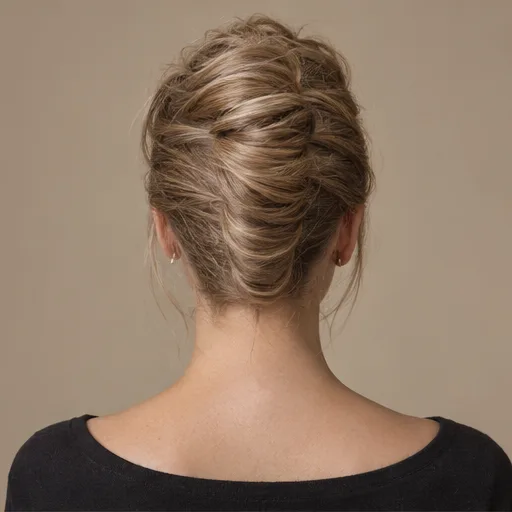
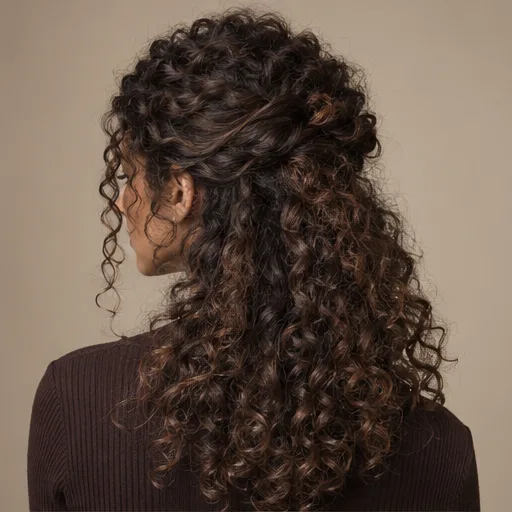
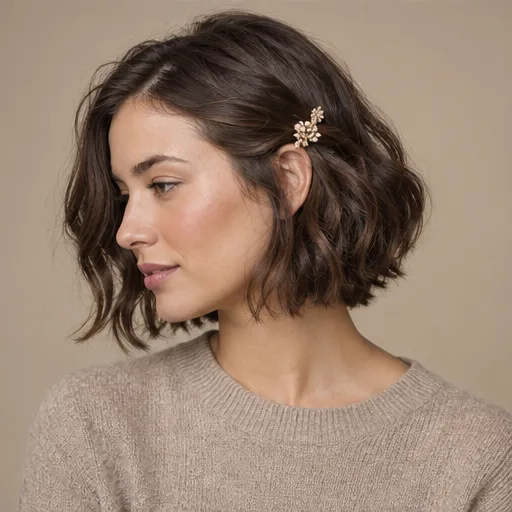
Compare your options
Textured low ponytail
Keeps the face open while showing movement through the ends. The anchor is accessible for a simple repair, though very short layers may remain loose.
Ask about: Where can we gather my hair comfortably while keeping the texture in the ponytail visible?
Down waves or defined curls
Shows the length and shape most clearly. It needs preparation and a plan for front pieces during dancing, with a half-up change available if desired.
Ask about: How can the front stay clear without making the whole finish rigid?
Short sculpted shape
A strong part, lifted front or single accessory gives a crop or bob an event focus. It can be easier to maintain than a shape that depends on added hair.
Ask about: Which detail works with my current length and will still look intentional if the finish softens?
Choose one main feature
A large wave, a sculpted side, an elevated ponytail or a bright accessory can each be the main feature. Combining every detail can make styling and repairs harder. Decide what matters most from the front and what you want visible from the side or back. A short bob with a tucked side may have more impact than a complicated updo that needs extra length.
Consider the venue and travel. Loose hair can move beautifully but may fall forward while dancing; a contained shape clears the face but needs a comfortable anchor. If you expect to wear a coat, check where the collar touches. Avoid choosing a new product, extension method and hot-tool routine all for the first time on the event day.
Set the base before the clock starts
The low-ponytail method below starts with dry hair in your chosen texture. Hair should gather comfortably near the nape; if it cannot, use the short-hair alternative. Have a soft tie, a few pins, clips and a rear mirror. A decorative ribbon or cuff can be added only if it stays secure without tightening the base.
Allow an estimated 10–20 minutes to build and check the ponytail. Add separate preparation time for washing, drying, a blowout or a heatless set. A complete practice is the most useful estimate for your own hair. Leave a margin for changing clothes and an ordinary movement test rather than scheduling styling until the moment you leave.
Make a textured low ponytail
This method works with waves, curls or coils already arranged. Preserve that preparation by moving sections in groups.
- Set the part and choose any loose front pieces. Separate them from the hair that will be gathered.
- Use your hands to guide the rest toward a low point. Check both sides in the mirror before securing so the anchor does not drift off-center unintentionally.
- Fasten with a soft tie using only the hold needed to contain the hair. Leave the surface softly arranged rather than dragging every edge flat.
- Arrange the ponytail lengths with fingers. If one dense section sits underneath and makes the shape lopsided, redistribute it around the tie without pulling the roots.
- Use a pin for a short escaping piece if you want it contained. Keep the pin inside the gathered hair and away from direct pressure on the scalp.
- Add the decoration separately, then turn your head, lean forward and move as you would while dancing. Rebuild the anchor if needed instead of covering an unstable base with more ornaments.
Offer every length a deliberate version
For a bob, create a strong part, define the wave or smooth the perimeter, and pin one side with a light accessory. For a pixie or crop, a lifted front or separated texture changes the silhouette without needing a tie. These routes can be quicker than a ponytail and leave the neckline visible.
For curls and coils, an out shape with a pinned side, a loose high or low gathering, or a half-up style can keep the texture central. Evaluate the arrangement after full drying. A high puff and a low ponytail distribute the hair differently, so choose by comfort and the outline you prefer. Existing locs can be swept or partially gathered; account for their weight before choosing a high anchor.
Troubleshoot before and during the party
If the ponytail loses volume, it may need a different gathering point rather than teasing. If a decorative piece slips, it may be too heavy for the section holding it. If the front becomes untidy, a small side clip can keep it clear without rebuilding the back. For down hair, test a half-up fallback during the rehearsal.
Take a spare tie and the pins you know fit the style. Have a helper learn only the one repair you expect to need. Loosen a style that causes pain; AAD explains tension concerns at aad.org source. Remove decorations and ties gently afterward, particularly when the hair is tangled from movement.
Take this to your appointment
A starting point for your brief
I want party hair with ___ as the main feature. I will be moving and dancing, and my neckline is ___. Please use my current texture where possible, show the accessory placement, and give me one simple repair and one fallback shape.
Use this in my briefAdapt the wording to your own hair, preferences and history.
Common questions
How do I keep the style perfect all night?
Plan for a wearable shape rather than complete stillness. A comfortable anchor, tested accessory and simple repair are more useful than assuming a finish will never change.
Can I make an occasion style with very short hair?
Yes. Root direction, a changed part, visible natural texture or a small accessory can provide a clear occasion detail without an updo.
Sources & further reading
Sources accessed 3 October 2026. These publishers have not reviewed this guide. Our editorial standards explain our method.