Hair through life
Haircuts for kids and teens: choice, comfort and routine
Plan children’s and teenagers’ cuts around their preferences, texture, school or sport needs and a routine they can realistically manage.
Upkeep: Review comfort, fringe visibility and school or activity needs as the cut grows. Keep the routine manageable, and plan care and removal as part of any braided or twisted installation.
Effort is a planning estimate. The specific option and your routine change the commitment.
The starting point
A useful haircut for a child or teenager balances their preferences with comfort and a manageable routine. Agree what they want to keep, what bothers them and how much help they will have with styling. Length and gender labels should not replace that conversation. Choose a shape that works for school, activities and ordinary mornings, then make the appointment predictable.
Compare the visual directions
Concept references for shape and placement. Use the differences you like in your consultation; these are not step-by-step results or predictions for your hair.
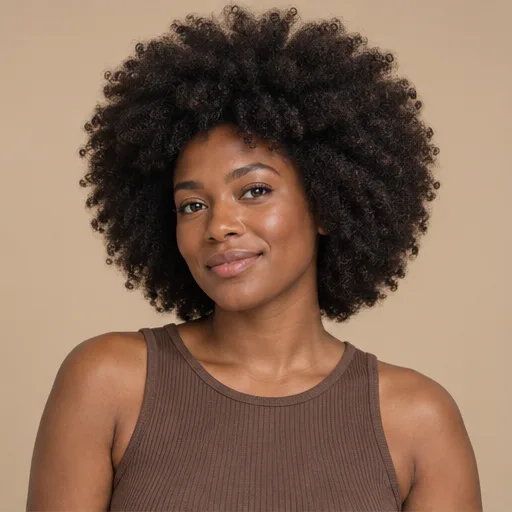
Compare your options
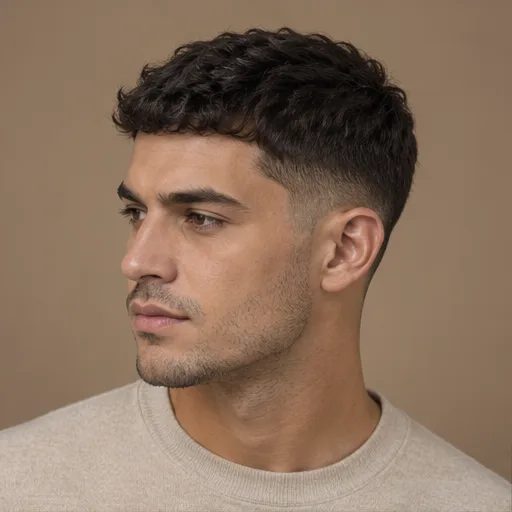
Soft short crop
A compact outline keeps length away from the neck and can simplify some daily handling. The front and growth direction still matter, and a close perimeter may need attention sooner than a looser shape.
Ask about: Keep this comfortable around the ears and show the wearer how to arrange the front.
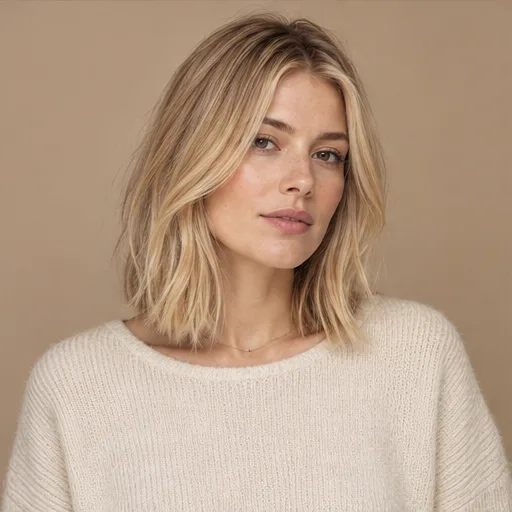
Bob or medium shape with retained front length
A clear outline can be worn loose or gathered if enough length remains. Check actual tie-back reach and avoid short front layers if clips are unwelcome.
Ask about: Preserve the sections needed for school or sport and show what will remain loose.
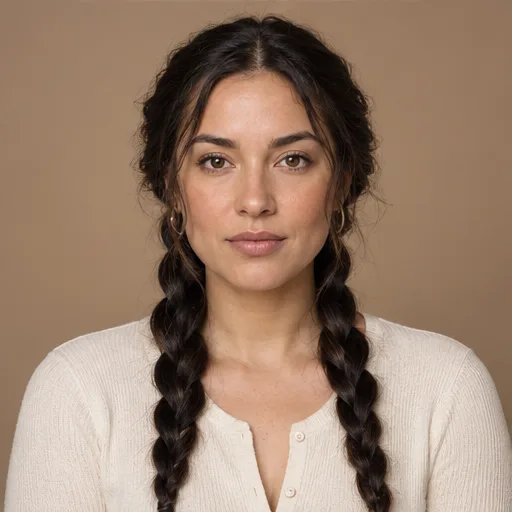
Natural textured shape
A rounded, tapered or longer curly/coily outline makes the everyday texture central. Choose the finish the wearer and carer can manage rather than a reference requiring a completely different routine.
Ask about: Assess the dry shape and demonstrate the simplest routine using the help available at home.
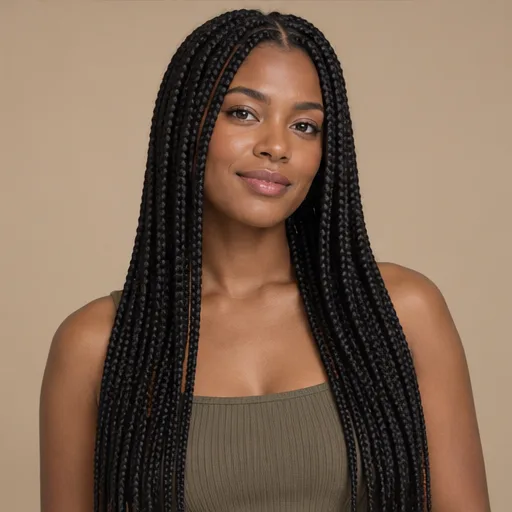
Braided, twisted or gathered option
This can organize longer hair for activity or a preferred look. Method, tension, cleansing and removal need planning. A comfortable simpler arrangement may be more useful than maximum complexity.
Ask about: Keep the style comfortable, explain care and removal, and make sure the wearer can tell us if it pulls.
Let the wearer explain the goal
Ask what they like about a reference: the fringe, the length, the shaved sides, the movement or simply having hair away from the eyes. A younger child may answer more easily by pointing to pictures or showing what feels uncomfortable. A teenager may have a strong aesthetic preference that deserves a clear discussion rather than a surprise compromise at the appointment.
Agree on the practical boundaries before the service. If a parent or carer is helping with cost or daily care, separate those limits from the wearer's style preference. For example, explain that an elaborate finish needs more morning time rather than saying the style is wrong for them. Identify a version that retains the feature they value.
Plan a comfortable appointment
Tell the salon about sensory preferences, difficulty sitting for long periods or discomfort with particular tools. Ask how the service can be explained step by step and whether pauses are possible. Show the proposed shortest length before cutting begins. A child who knows what will happen has a clearer way to express discomfort or a changed preference.
Discuss scissors, clippers and close finishing in advance. The sound and feel of the tools can matter independently of the desired result. If the wearer wants a close look but dislikes one part of the process, ask the stylist what alternatives or staged decisions are available. Do not treat silence as agreement to an unexpected major change.
Match the cut to the actual morning routine
A short cut can still need fringe direction, while longer hair may be easy to gather but take more time to detangle. Decide who will do each step and which actions the wearer can manage independently. Ask the stylist to demonstrate one ordinary finish rather than only creating a polished appointment photo.
For waves, curls and coils, choose the dry shape in the texture normally worn. A cut should not assume daily straightening unless that is an informed and appropriate part of an established routine. Check that the wearer knows how to handle the fringe and which sections need help. The goal is a repeatable process, not a list of products.
Consider school, sport and headwear
If there are school or activity requirements, read the actual current policy rather than guessing from a haircut name. Discuss where hair needs to be secured for the relevant activity. Helmets, swim caps and other headwear can affect the preferred length and how an updo fits.
Show the height of the usual ponytail, braid or bun and ask which layers would escape. For a wearer who dislikes clips, retaining more front length may be useful. For someone who hates hair touching the neck, a crop or an easy gathered style may solve the problem in different ways. Compare the tradeoffs together.
Keep gathered and installed styles comfortable
Braids, twists, cornrows and puffs can be practical options, but they should not rely on pain or tight pulling. The American Academy of Dermatology warns that repeated tension can cause traction hair loss. Loosen or remove a style that hurts or stings, and seek qualified assessment for new thinning or patches. aad.org source
For a longer installation, ask about scalp access, washing, drying and take-down before choosing it. An easy-looking photograph does not show the care behind it. Match the method to the time and help available at home, and give the wearer a clear way to say that something feels uncomfortable.
Make the next change easy to discuss
Take a photo of the ordinary dry result if the wearer is comfortable with that. At the next appointment, ask what worked and what did not: fringe in the eyes, difficult detangling, too much styling or an outline they disliked. Specific observations help more than repeating the same cut automatically.
For experimentation, consider a different part, removable accessories or a reversible styling arrangement before a major change if the wearer is uncertain. When they do want a cut, agree its shortest point and a grow-out route. Avoid presenting a hair choice as a verdict on their identity or maturity.
Take this to your appointment
A starting point for your brief
The wearer likes ___ and wants to keep ___. They dislike the feeling of ___ and need hair to work for ___. Morning help and time are ___. Please explain the tools and shortest length before starting, check comfort throughout, and teach a routine they can use.
Use this in my briefAdapt the wording to your own hair, preferences and history.
Common questions
Is the shortest haircut always easiest for a child?
No. A short fringe or crown can still need direction, and some children prefer hair they can gather. Compare comfort and the actual morning steps rather than assuming short automatically means simple.
What if the child changes their mind at the appointment?
Pause and clarify what they want changed. Confirm the retained length and next step before continuing. A predictable, agreed service is more useful than pushing through a misunderstanding.
Sources & further reading
Sources accessed 3 October 2026. These publishers have not reviewed this guide. Our editorial standards explain our method.