Texture & density
Thick haircuts: decide where you want the weight
Choose shapes for dense or coarse hair by locating bulk, preserving useful weight and comparing layers, bobs, crops and selective undercuts.
Upkeep: Maintain the areas where width or weight becomes troublesome. A selective undercut adds its own upkeep and reconnection plan; longer shapes can retain useful weight between adjustments.
Effort is a planning estimate. The specific option and your routine change the commitment.
The starting point
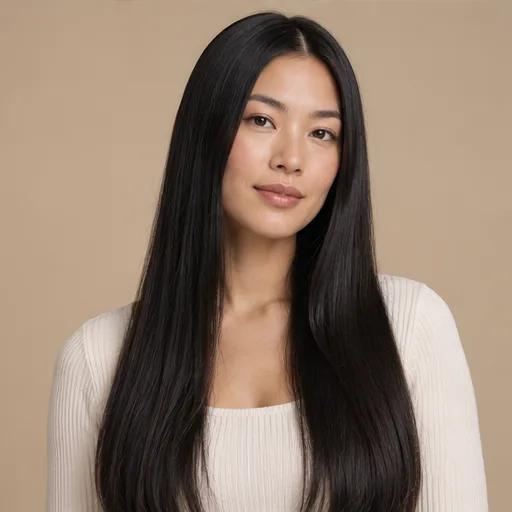
When you say thick hair, clarify whether you mean large-diameter strands, high density, or both. Then identify where the weight bothers you: the nape, the sides, the bottom or the whole routine. A good request asks for a particular distribution of fullness. Removing weight everywhere is not the same as creating a more manageable shape.
Compare the visual directions
Concept references for shape and placement. Use the differences you like in your consultation; these are not step-by-step results or predictions for your hair.
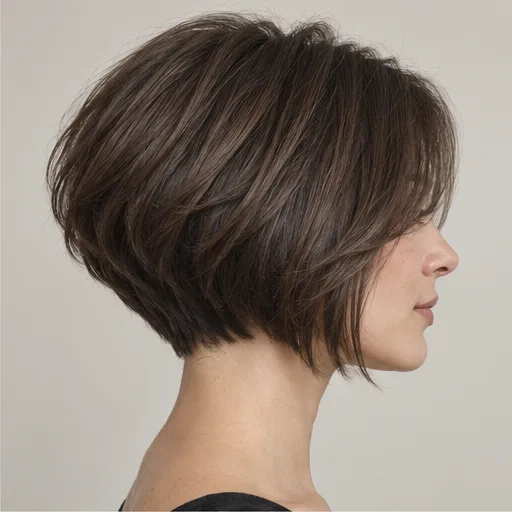
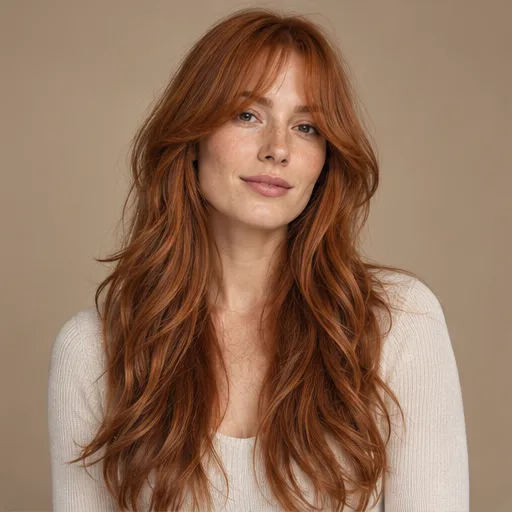
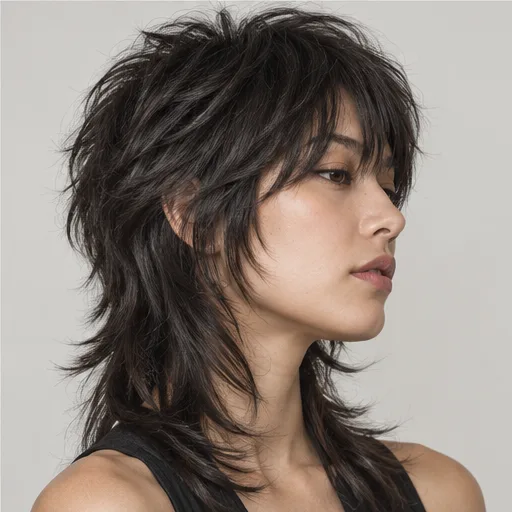
Compare your options
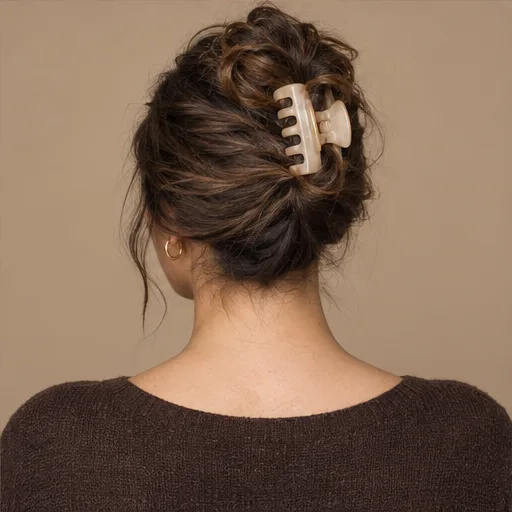
Long shape with selective layers
Keep useful length and a substantial perimeter while adding movement in chosen areas. This suits someone who values tying back and does not want the entire cut to become airy. The routine may still involve sectioning because the amount of hair remains considerable.
Ask about: Reduce weight here while preserving this lower outline and my ability to tie it back.
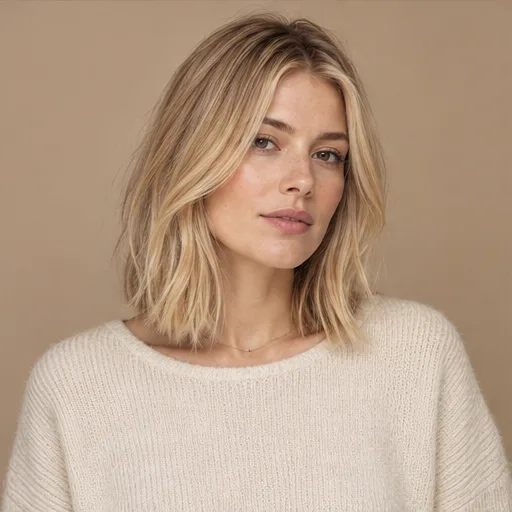
Structured bob with internal shaping
A clear edge can coexist with a less bulky interior. The stylist needs to explain how that balance will be made in your texture. Too much lower fullness or too much removal can each produce a different result from the reference.
Ask about: I want this strong edge with controlled width, and I want to understand the internal shaping.
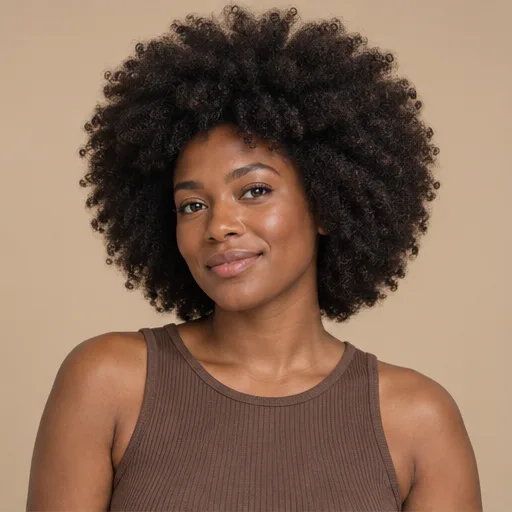
Rounded or tapered textured shape
A rounded outline celebrates volume; a taper concentrates it away from the nape and sides. Choose the amount and location of width rather than assuming the goal must be to make textured hair smaller.
Ask about: Keep fullness in this area and make the dry silhouette more compact only here.
Selective undercut
A shorter section can remove a defined pocket of bulk while longer hair remains above it. It creates a separate maintenance and grow-out commitment and may show when the hair is lifted.
Ask about: Show the exact section, how visible it will be and the plan if I later want it connected again.
Locate the bulk before shortening
Look at the hair dry in your usual finish. Is the width concentrated around the lower outline, behind the ears or high at the crown? Does the problem appear when hair is loose, or only when it is gathered in a clip? Explain the specific situation. A cut designed to look slimmer from the front may not make a ponytail feel lighter in the same way.
Decide which fullness you actually like. You may want to keep a substantial bottom edge while creating movement inside, or preserve a rounded curly shape while making the nape more compact. Weight can be useful to the way your hair lies. Do not assume that the shortest possible cut will also be the calmest or easiest to arrange.
Separate layers, texturizing and an undercut
Layers establish different lengths that shape the visible outline and movement. Texturizing changes the finish or amount of hair within selected sections. An undercut removes a defined area much shorter than the hair above it. These are different decisions, and each should be explained before it is used.
Ask the stylist what technique they propose, where it will happen and what it will look like as it grows. Avoid a blanket instruction to thin everything. If an undercut is suggested, discuss whether it will be visible when your hair is tied up, whether you want regular maintenance, and how the shorter section will reconnect if you later change your mind.
Choose length with texture in mind
Dense straight hair can create a strong bob edge, but the shape may become wide if the lower outline is left fuller than you prefer. A longer shape retains weight and tying options; a crop removes length but exposes the hair's growth direction. Compare these outcomes rather than choosing solely from a short-versus-long rule.
Wavy, curly and coily hair should be planned around the dry silhouette. Decide whether you want a broad rounded shape, an elongated outline or a compact taper. Shorter layers can change where the texture sits, so ask to see the proposed balance between crown, sides and ends. If you sometimes straighten your hair, say which finish matters most when the shape is assessed.
Make daily handling part of the haircut brief
Tell the stylist how you wash, dry and secure your hair. If sectioning is the tiring part, ask for a practical routine and a clip or tie strategy appropriate to the amount of hair. If you cannot comfortably work at the back of your head, a cut that depends on elaborate back-section styling may not be the best everyday choice.
Compare an air-dried result with a more polished finish. A reference with tightly controlled volume may require more work than a looser natural shape. Decide whether you want less daily handling, fewer appointments or a particular polished outline; those aims may call for different cuts. Be honest about which matters most.
Plan maintenance without losing the shape
Notice where the cut becomes difficult first. The nape may fill out, the side width may increase, or shorter layers may stop sitting where intended. Bring that observation to the follow-up rather than simply asking for the same amount removed everywhere.
If growing longer after a crop or undercut, protect the area that needs to catch up. The longer outline may be shaped to make the transition feel intentional, but repeatedly shortening the slow-to-reconnect section will retain the separation. Ask for the next stage in the plan before the maintenance cut begins.
- Name the area where weight bothers you.
- Specify what fullness you want to keep.
- Ask before any large change in internal length.
- Check the result tied up as well as worn loose.
Take this to your appointment
A starting point for your brief
By thick I mean ___. The weight bothers me at ___ during ___. I want to retain fullness at ___ and the ability to ___. Please explain the purpose of layers, texturizing or an undercut separately, and show the shape in my usual dry texture.
Use this in my briefAdapt the wording to your own hair, preferences and history.
Common questions
Should dense hair always be thinned?
No. Ask where the weight is a problem and what result you want. Targeted shaping, a different length or retaining useful weight may be more appropriate than removing hair throughout.
Will going short make thick hair easier?
It removes length, but shorter hair may show growth direction or stand away from the head differently. Compare the proposed everyday silhouette and routine, not just the amount being cut off.