Haircuts
Choose a medium haircut with room to move
Compare lobs, shoulder-length layers, medium shags and curl shapes by tie-back length, perimeter, movement and daily styling.
Upkeep: A solid lob can grow into a longer outline; a shag or shorter face frame needs more targeted shaping. Keep any layers needed for tying back out of routine shortening.
Effort is a planning estimate. The specific option and your routine change the commitment.
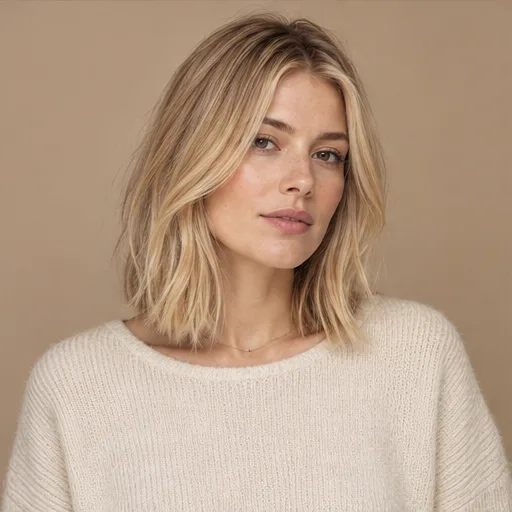
The starting point
Medium hair is a useful choice when you want a visible change while retaining options for tying, clipping or wearing it loose. Choose where the dry perimeter should fall, then decide how much movement you want inside it. A solid lob, long layers and a shag can share shoulder length but feel very different on wash day and during grow-out.
Compare the visual directions
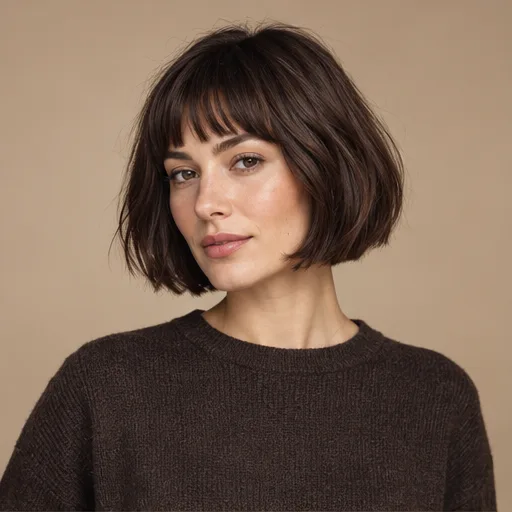
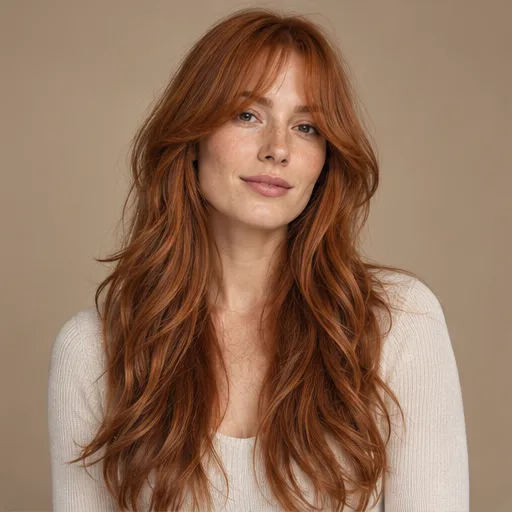
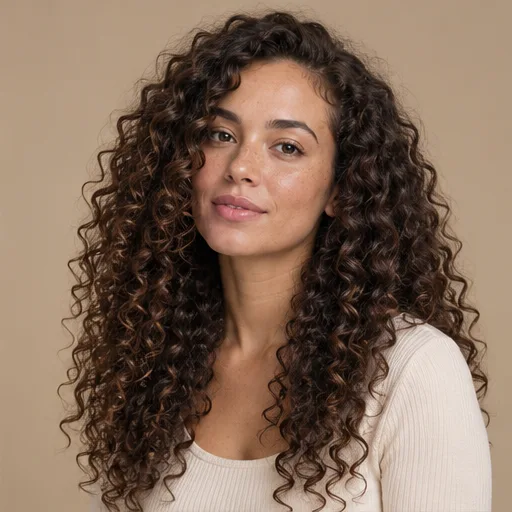
Concept references for shape and placement. Use the differences you like in your consultation; these are not step-by-step results or predictions for your hair.
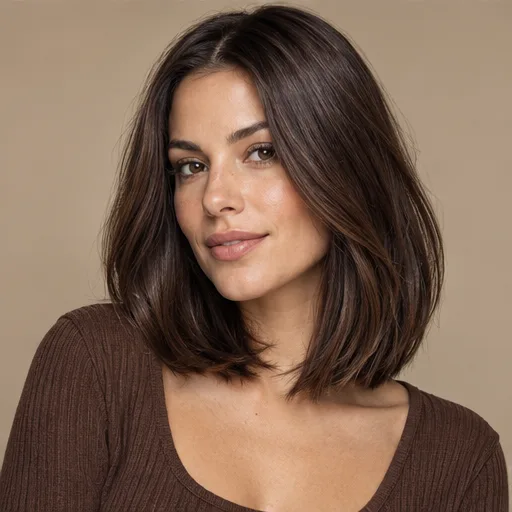
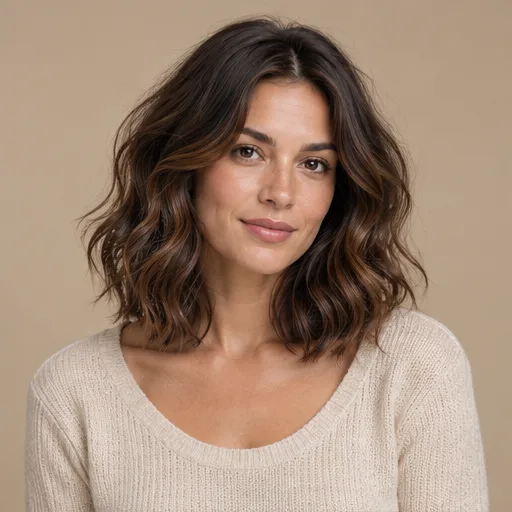
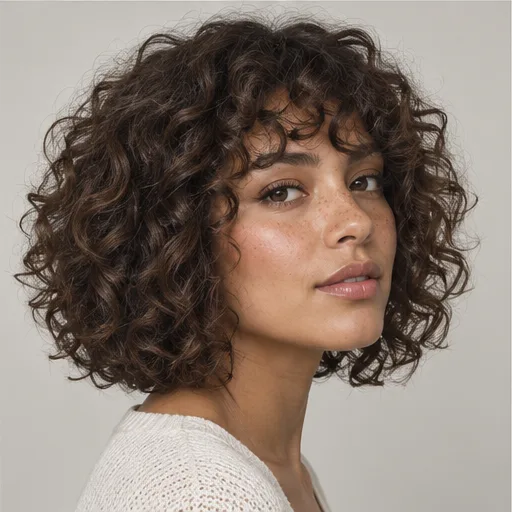
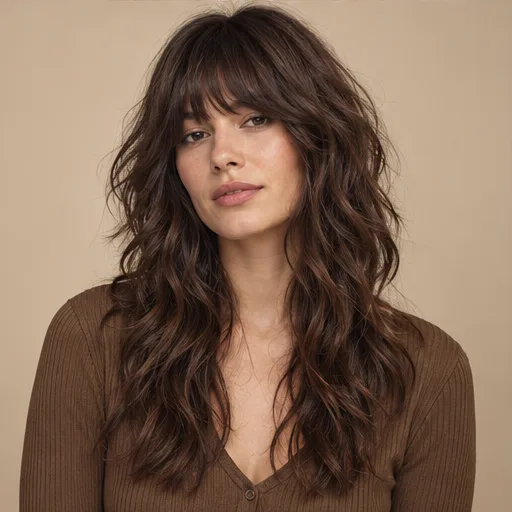
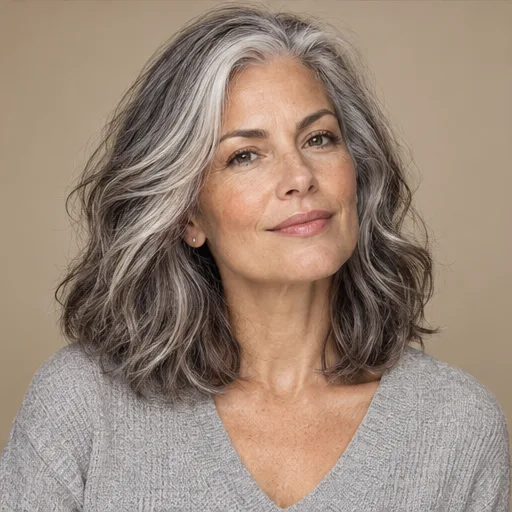
Compare your options
Solid lob
The longer bob keeps a readable bottom edge and usually fewer short pieces through the body of the hair. Choose it if shape and simple tying options matter more than pronounced layering. Confirm the front reaches your chosen tie-back position rather than assuming all lobs do.
Ask about: Keep a substantial perimeter at this dry landmark and preserve the sections I need to tie back.
Shoulder-length long layers
Longer layers offer movement without making the crown dramatically short. They can support both loose texture and a styled finish. The useful amount depends on density; removing too much from the lower section may work against a full-looking edge.
Ask about: Add movement while retaining this much weight at the bottom, and show me the shortest layer.
Medium shag
A shag makes shorter layers, separation and often fringe central to the shape. It is a good direction if you enjoy visible texture and an intentionally less uniform perimeter. Tying back may leave more pieces out, and smooth hair may need styling to show the reference's movement.
Ask about: Keep the shag soft or strong to this degree, with a fringe I can manage in my normal routine.
Shaped medium curls or coils
A rounded or elongated dry outline lets texture determine the silhouette. The same stretched length may produce different dry lengths across the head. Choose the overall balance you want, then discuss how the stylist will work around those differences.
Ask about: I want the dry shape to sit here, with this amount of width and enough length for my usual styling method.
The shoulder is a working landmark
Hair that meets your shoulders or clothing can bend outward, gather at the back or sit differently when you move. Decide whether you enjoy that loose turn or want an outline that sits above or below it. Ask your stylist to assess the length with your head upright, then look at it with the clothes or collar height you wear most often.
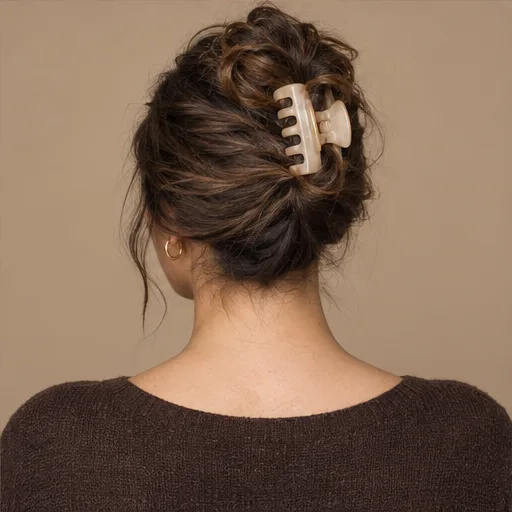
If tying back matters, check more than the overall length. Front pieces, fringe and shorter layers may escape even when the longest hair reaches an elastic. Show the height at which you normally tie it. A low ponytail and a high bun need different sections to reach. Build a deliberate face-framing exception only if you are happy clipping or leaving those pieces loose.
Choose a clear edge or more internal movement
A lob with a substantial perimeter gives the ends one main shape. It is useful when your priority is an obvious outline or when you do not want many short pieces around your face. It may feel heavier through the lower section than a more layered cut. Softening the edge is different from adding layers throughout; ask which change is being proposed.
Long layers preserve more of the outline while introducing movement higher up. A medium shag deliberately makes the shorter layers and fringe part of the look. Choose the shag only if you like that separation and the possible need to encourage it with styling. If what you love in a picture is a large bouncy blowout, confirm whether the haircut itself is quite simple underneath.
Adapt the shape to texture
Straight hair reveals the placement of layers clearly, so decide whether you want noticeable steps of movement or a more blended result. Wavy hair may have sections that bend at different points; a dry check can help establish whether the sides sit as intended. For curly and coily hair, bring references of a similar dry pattern and decide whether the aim is a rounded, elongated or fuller-bottomed silhouette.
Density also changes the choice. A low-density perimeter may benefit from keeping more length together, while high density may call for targeted internal shaping. Neither means that all layers are good or bad. Ask what each proposed layer is meant to achieve, where the shortest piece will sit and whether the ends will still look substantial enough for your preference.
Set up two useful finishes
Aim for an ordinary finish and an optional dressed-up one. For example, your everyday lob might be air-dried with a natural bend and your occasional version might be smooth with tucked ends. Ask the stylist to explain both. A cut that only pleases you after a long styling session may not suit a low-effort routine even when its length seems practical.
At home, establish your part and direct any fringe before the hair dries. Use the styling method suited to your texture, then check the ends after they settle rather than repeatedly handling them during drying. If one area consistently flips or collapses, photograph it for the next consultation; explain the specific section instead of asking for the whole cut to be shorter.
Grow longer without losing the plan
A medium cut can be a destination or a bridge to longer hair. Tell the stylist which it is. For a longer goal, discuss preserving the perimeter while refining a fringe or changing an awkward back shape. For a stable shoulder-length cut, decide which landmark should trigger a refresh. Haircut appointments can be planned around your preferences rather than an assumed universal timetable.
Take this to your appointment
A starting point for your brief
I want a medium cut finishing at ___ when dry. My priority is ___: a solid edge, internal movement, or a textured shape. These sections must still tie back: ___. Please show the shortest layer and explain both an ordinary finish and how we will maintain or grow the outline.
Use this in my briefAdapt the wording to your own hair, preferences and history.
Common questions
Can shoulder-length hair still go in a ponytail?
Often, but front pieces and layers may not reach the same tie position as the longest hair. Demonstrate where you wear your ponytail and ask which sections would remain loose.
Why do my ends turn out at this length?
The relationship between the cut, your natural bend, shoulders and clothing can affect the finish. Photograph the behaviour and discuss the landmark before adding more layers or trying to force a different result every morning.