Styling how-tos
Easy updos: a low bun, a clip twist or a curly gathering
Choose and build a comfortable everyday updo with clear steps, length adaptations, pin placement and fixes for slipping or uneven weight.
Upkeep: Release the pins, tie or clip after wear and rebuild the arrangement when needed. These everyday updos do not require an ongoing installation service.
Effort is a planning estimate. The specific option and your routine change the commitment.
The starting point
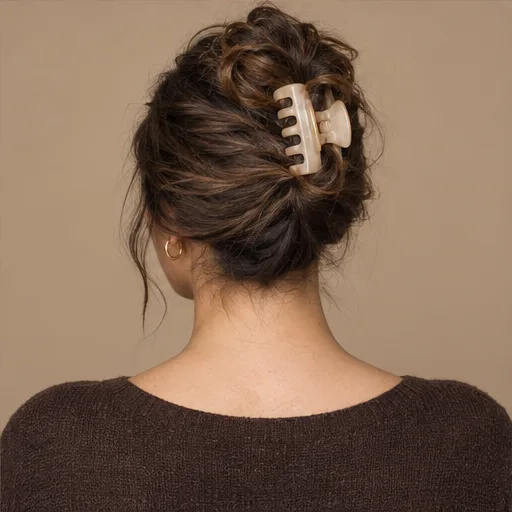
An easy updo should use the length you already have and stay in place without constant tightening. A low bun works when the hair reaches the nape; a claw-clip twist contains medium lengths; a loose curly gathering keeps the texture visible. For short hair, a pinned side or half-up shape may achieve the same practical goal.
Compare the visual directions
Concept references for shape and placement. Use the differences you like in your consultation; these are not step-by-step results or predictions for your hair.
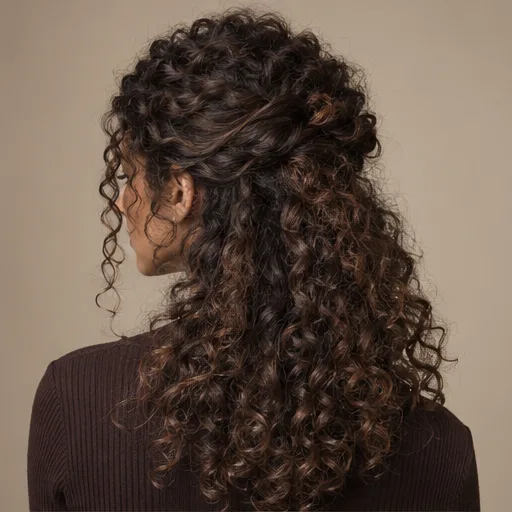
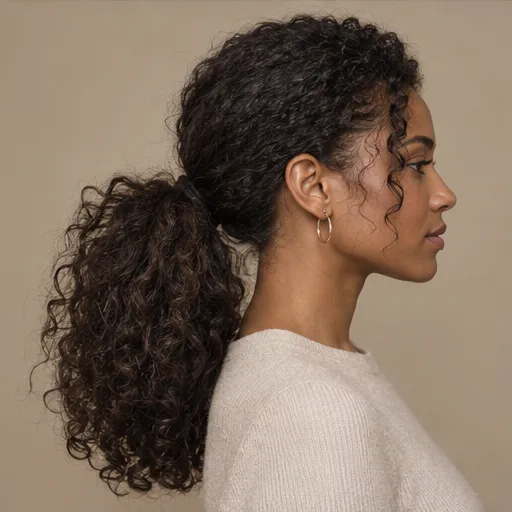
Compare your options
Soft low bun
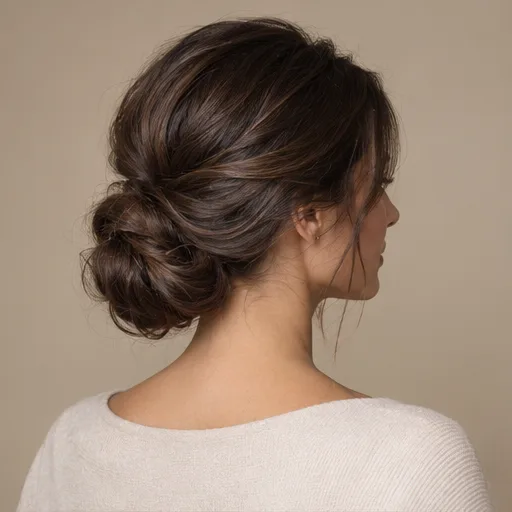
A contained shape for medium or long hair with enough gathering length. It is easy to reposition but can become bulky against a high collar.
Ask about: Can my layers form a low bun, and where can we place it clear of my collar?
Claw-clip twist
Fast to put up and take down, especially at medium length. Clip size and weight matter; a very heavy clip or an overfilled hinge can make the style unreliable.
Ask about: What size clip holds this amount of hair without forcing it closed?
Curly gathering or pinned side
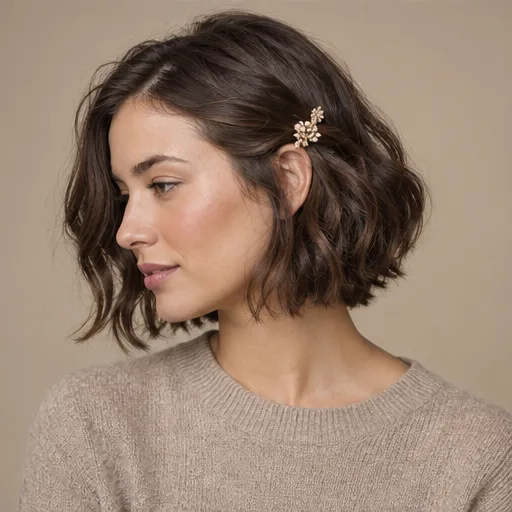
Keeps visible texture and lets shorter hair participate. It may be intentionally asymmetric, and it needs placement that respects the hair's dry shape.
Ask about: Which sections can we gather comfortably while leaving my curl pattern visible?
Check length, weight and placement
Try the gathering point before adding products. Lift the hair with your hands and turn your head: do the nape layers reach, does the front pull, and can you still wear glasses comfortably? A high position exposes the neck but asks shorter nape hair to travel farther. A low position often needs less gathering length, though a bulky bun may meet a collar.
Begin with dry, detangled or already defined hair. Have a soft tie, a few smooth pins and a clip large enough to close around the hair without forcing it. Allow an estimated 5–15 minutes for a simple style once you know the placement. Washing, drying or setting curls is separate preparation and may take much longer. Wet hair hidden inside a dense bun does not become dry just because the surface feels dry.
Build a loose low bun
This method makes an everyday shape, not an intricate event arrangement. Work by feel with a rear mirror available for the final check.
- Make the part and leave out any fringe or face-framing pieces you want. Gather the remaining hair at a comfortable point near the nape. Use your palms or fingers for a soft surface.
- Secure a loose ponytail with a soft tie. It should hold without dragging the front hairline. Check the position before adding pins.
- Twist the ponytail gently and wrap it around its base. For curls, loosely fold sections around the base instead of twisting the entire texture into one tight rope.
- Hold the bun with one hand. Use pins to connect small parts of the outer bun to the hair beside its base, directing pins into the mass of the bun rather than pressing their ends against the scalp.
- Check the shape from both sides. Reposition a bulky section or add a pin where it slips; do not keep tightening the ponytail to solve every movement problem.
- Turn, nod and sit against a chair back. If a pin presses or a section pulls, remove and replace it. The finished bun should feel stable during ordinary movement.
Two alternative shapes
For a claw-clip twist, gather the hair low, twist it loosely upward and fold any extra length back against the twist. Open the clip fully, place its teeth around the gathered hair, and check that it can close securely without catching or scraping the scalp. If a long thick bundle prevents closure, use a larger suitable clip or a half-up section rather than forcing the hinge.
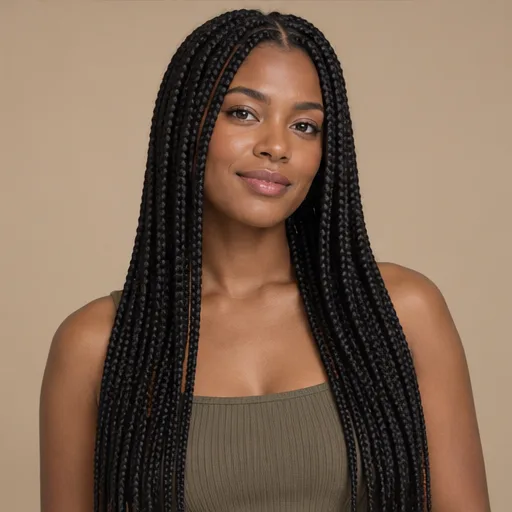
For a curly or coily gathering, place a soft tie where you want the visible shape, then arrange the ends loosely around it. Preserve curl groups with your fingers. Short coils can form a shaped puff if the available length reaches comfortably; otherwise leave the texture out and pin only a side. A protective-style installation or existing locs may add weight, so adapt the anchor and avoid treating all lengths alike.
Adapt and recover
A short bob can be twisted in two small side sections and clipped at the back without requiring the nape to reach. A pixie may need only a changed part and one accessory. Fine or very smooth hair can slide out of a heavy clip; a lighter clip sized to the section may be more useful than extra product. Dense hair can be split into two adjacent loose buns to distribute the shape.
If the bun sags, rebuild it at a lower point or divide the weight. If one side looks tighter, release that side before adding another pin. Remove accessories one at a time at the end of the day, supporting the hair around them. Loosen painful or pulling styles; AAD's tension guidance is at aad.org source.
Take this to your appointment
A starting point for your brief
I need an updo I can repeat in about ___ minutes. My hair must stay clear of ___, and I wear ___. Please show a gathering point my layers can reach, the minimum useful pins or clip, and a short-hair or loose-texture alternative.
Use this in my briefAdapt the wording to your own hair, preferences and history.
Common questions
Do I need backcombing to keep an updo in place?
Not for these methods. Start with placement, section size and suitable accessories. A style that relies on constant pulling or repeated fixing needs a different anchor.
Can freshly washed hair go into an updo?
Yes, once it is prepared and dry for these methods. Very smooth hair may need a lighter accessory or different section size, not an automatic extra day without washing.
Sources & further reading
Sources accessed 3 October 2026. These publishers have not reviewed this guide. Our editorial standards explain our method.