Occasion hair
Wedding guest hair that survives travel and dancing
Choose guest hair for short, long, curly or coily textures, with a practical half-up method, accessory checks and an event-day schedule.
Upkeep: Rehearse the chosen arrangement and accessory once before the event. A salon appointment is optional for the simple half-up method; base washing, drying or setting is separate work.
Effort is a planning estimate. The specific option and your routine change the commitment.
The starting point
Choose guest hair around the whole day: getting there, the ceremony, photographs, a meal and dancing. A style you can repair with two pins may be more useful than an elaborate shape that only looks right before you leave. Decide whether you want your neck clear, your texture visible or your front sections secured.
Compare the visual directions
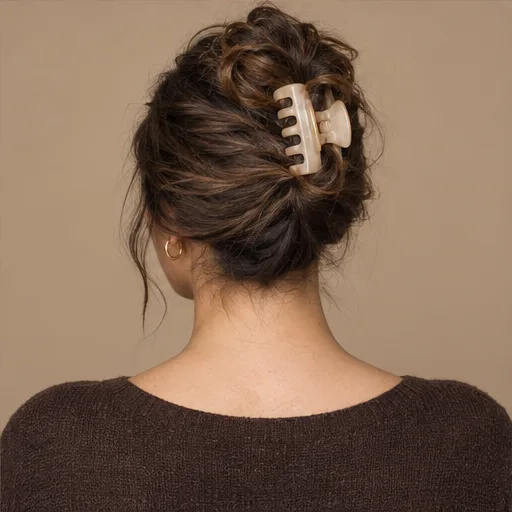
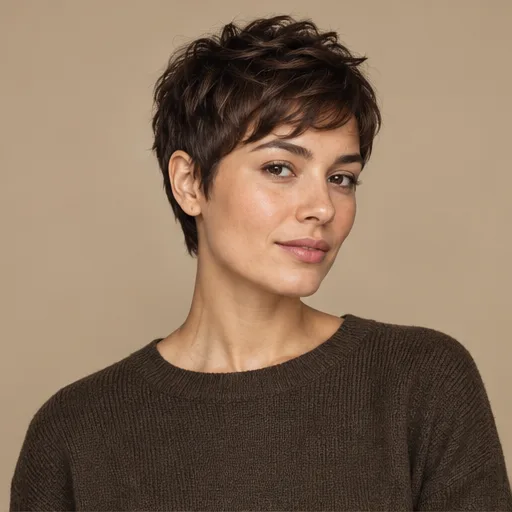
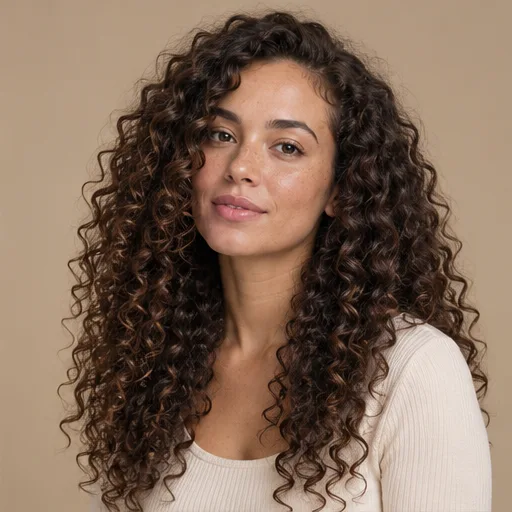
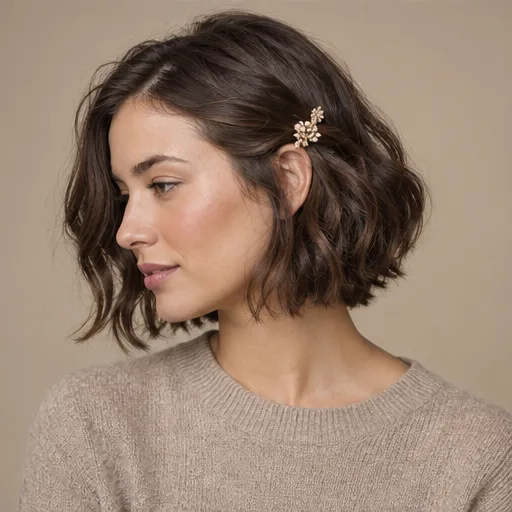
Concept references for shape and placement. Use the differences you like in your consultation; these are not step-by-step results or predictions for your hair.
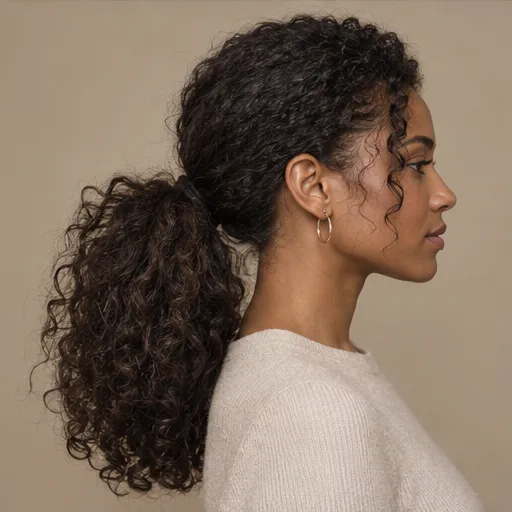
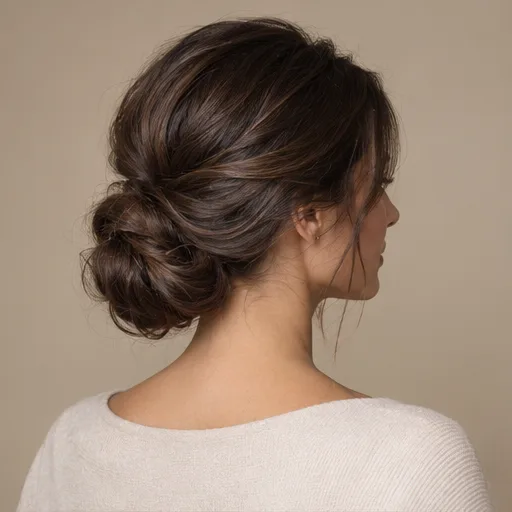
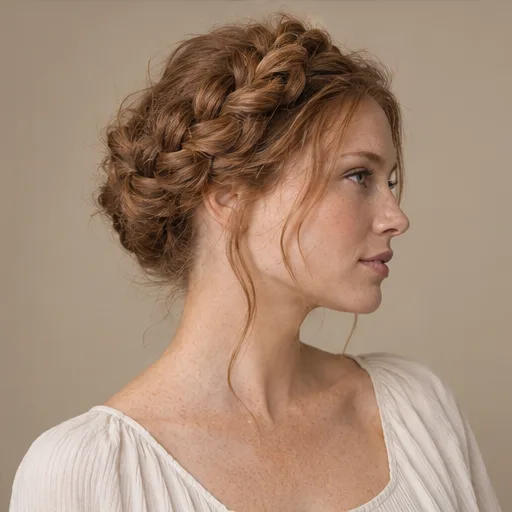
Compare your options
Soft half-up
Opens the face while retaining visible length and movement. It is adaptable across textures, but its anchor must suit the weight and reach of the front sections.
Ask about: Can my front layers join here without pulling, and what accessory weight will they support?
Low contained shape
A bun, twist or loose curly ponytail keeps lengths away from the neck. It can be practical for travel and dancing, with collar contact checked in advance.
Ask about: Where can we place this so it clears the neckline and stays comfortable while seated?
Short style with a defined part
A bob, pixie or crop can look event-ready through direction and a small detail. It offers less room for an elaborate anchor, which helps narrow accessory choices.
Ask about: Which one change will make my current short shape feel deliberate for the event?
Match the shape to the event
For a high neckline or outdoor heat, a low bun or loose gathering keeps the lengths contained. For an open neckline, down hair or half-up movement can frame the shoulders. A fascinator, hat or head covering changes the available space: test the accessory and style together before the event. Follow any actual dress instructions from the hosts, but avoid treating personal hairstyle preferences as universal etiquette rules.
A short bob can look finished with a deliberate part and a small side accessory. A pixie can have a swept or textured front. Curly or coily hair can be worn out in its own shape, gathered loosely, or pinned on one side. The occasion does not require changing the texture you usually enjoy.
Prepare with a clear time allowance
For the half-up method below, begin with dry hair in the texture you want to show. The front sections need to reach a comfortable joining point; the nape can remain loose. Gather a mirror, two clips for sectioning, a small soft tie or suitable decorative barrette, and a few matching pins.
Allow an estimated 10–20 minutes to arrange and check the half-up style, plus whatever separate wash, dry or curl-setting time your base needs. Practise once with the actual accessory. A new barrette may be heavier or less secure than it appears, and discovering that before travel gives you time to choose another.
Make a soft half-up style
Keep the upper section modest at first. You can add hair, but taking too much from the sides may flatten the shape or pull around the ears.
- Place the part and arrange the fringe. Decide how much hair should remain around the face before gathering the sides.
- Take one section from above each ear, leaving enough hair below to preserve the down shape. Guide both sections toward a comfortable point at the back.
- Join them with a small soft tie or a barrette that closes without force. For a twist effect, turn each side gently inward before joining.
- Check the front in a mirror. Ease the side sections slightly if they look pulled, and keep any chosen face-framing pieces free.
- Use a pin only where a short piece actually escapes. On curls or coils, move whole groups gently rather than combing through the finished texture.
- Turn your head and lift your arms as you would when putting on a jacket. Reposition any accessory that catches, then photograph the back so you know what the arrangement looks like.
Adapt for the length you have
If the hair is too short to join at the back, make a one-sided version: gather a small front section toward the temple or above the ear and secure with a light clip. If a pixie has no gathering length, direct the front with a small damp reset, allow it to dry, then add an accessory only if it can sit comfortably.
For long heavy hair, a small half-up section leaves much of the weight loose, which may be preferable to supporting everything in one bun. For dense curls, arrange the upper shape after it dries so the anchor does not pull against shrinkage. For coils, a loose puff or pinned side can give a clear outline without smoothing every edge. Existing braids or locs can form a half-up shape if the gathered weight stays comfortable.
Plan one repair and one fallback
Pack a spare tie, a couple of the pins you used and a compact mirror. If the down lengths lose their intended finish, fold them into a loose low bun or use a clip; this works best if you have tested the gathering length. If the accessory slips, reduce the amount it is holding or switch to the spare tie rather than repeatedly pushing it harder against the scalp.
Do a final comfort check before leaving. Remove a painful anchor rather than waiting for it to settle; AAD discusses pulling styles at aad.org source. At the end of the event, release accessories individually instead of dragging them through the hair.
Take this to your appointment
A starting point for your brief
I am attending a wedding with ___ travel and ___ outdoor time. I want a style that keeps ___ visible and ___ contained. My accessory is ___. Please suggest one shape using my current length and one simple fallback I can manage myself.
Use this in my briefAdapt the wording to your own hair, preferences and history.
Common questions
Can I wear my natural curls as a guest?
Yes. Choose the definition, shape and any pinned sections you want. An occasion does not create a requirement to straighten your hair.
Should I style before or after putting on my outfit?
Consider how the garment goes over your head. A buttoned or wide-opening top during styling can make changing easier; otherwise plan help so the outfit does not catch the finished hair.
Sources & further reading
Sources accessed 3 October 2026. These publishers have not reviewed this guide. Our editorial standards explain our method.