Haircuts
Long layers without losing the length you love
Choose subtle, face-framing or more dramatic long layers while keeping your preferred perimeter, ponytail length and everyday finish.
Upkeep: Maintain the perimeter and face frame separately. To grow toward fewer layers, let shorter pieces catch up rather than recreating them at every trim.
Effort is a planning estimate. The specific option and your routine change the commitment.
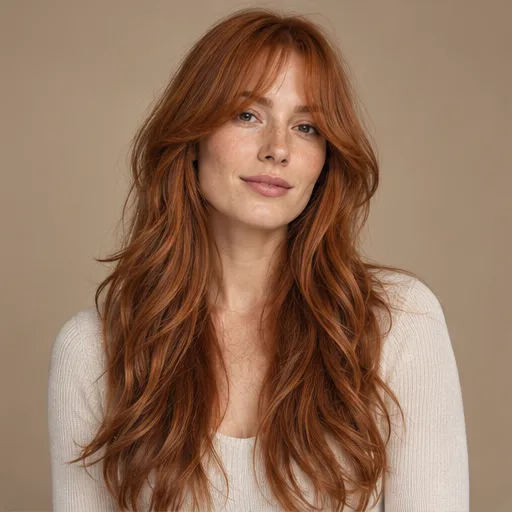
The starting point
Long layers change where movement begins while leaving some hair at its existing length. The important question is not simply whether to have layers, but how short they should start and how much hair should remain at the bottom. Choose the perimeter first, then the face frame and internal movement. A layered cut and a bouncy blowout are separate decisions.
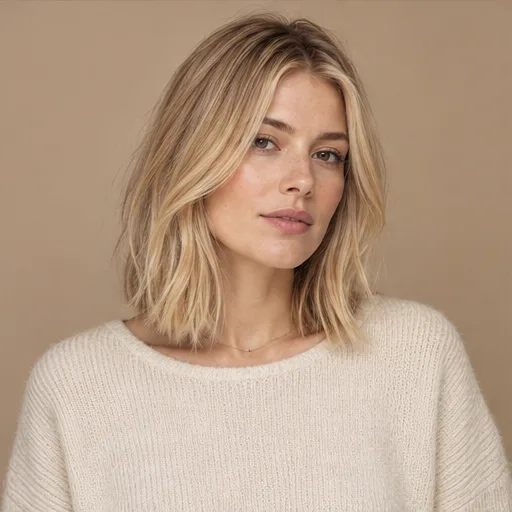
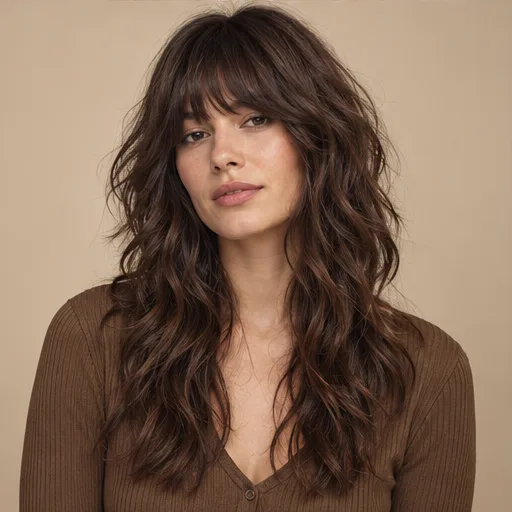
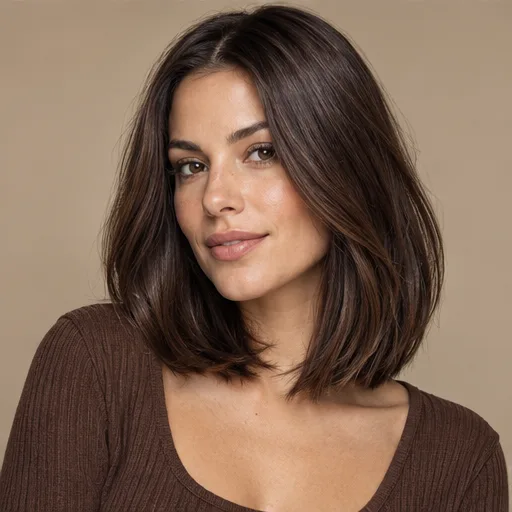
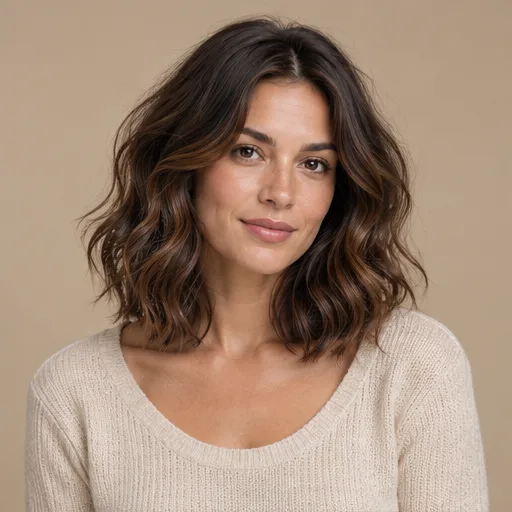
Compare the visual directions
Concept references for shape and placement. Use the differences you like in your consultation; these are not step-by-step results or predictions for your hair.
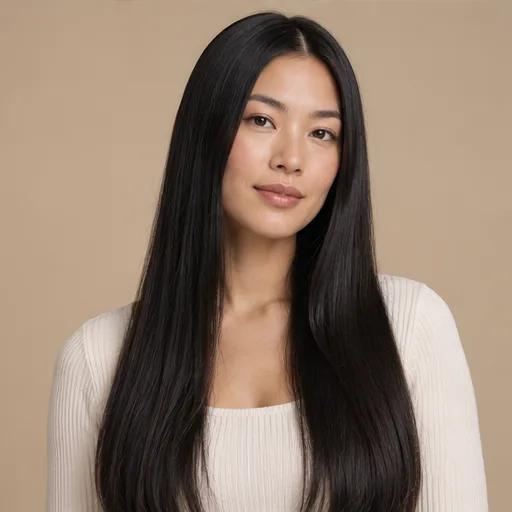
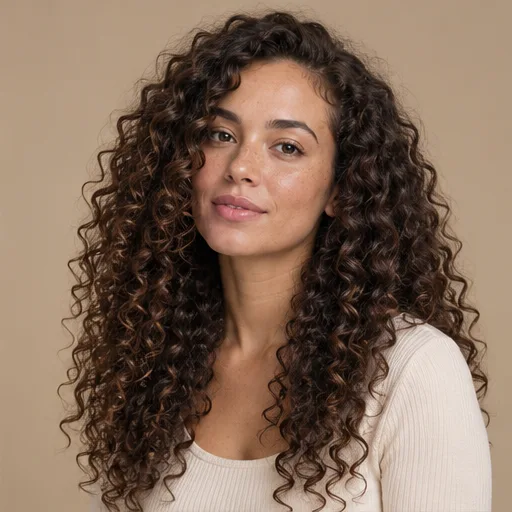
Compare your options
Minimal long layers
Keep most of the length together and add a small amount of movement through selected areas. This is useful when preserving a full bottom edge matters. The result may be subtler than a heavily styled reference, which is part of the choice.
Ask about: Retain the perimeter and add only enough layering to support my usual finish.
Long face frame
Start the shorter front pieces well below the chin for change that can still blend into the rest. It may be easier to tie back than a short face frame, but confirm the specific length around your ears.
Ask about: Keep the front long enough for this tie-back position and show where it will finish dry.
Stronger face frame with long back
Shorter pieces around the face create an obvious change while the back stays long. They need their own styling and may slip out of braids or ponytails. Choose this only if those loose pieces are welcome.
Ask about: I want this front shape while leaving the back length substantial; show me how to style the front alone.
More pronounced layered shape
Greater length differences create visible separation and movement. This direction can suit someone who enjoys a deliberate layered finish. It asks for a clear density assessment and an honest discussion of how the reference was styled.
Ask about: Show me the shortest layer and how much hair will remain at the bottom before we commit.
Protect the part of long hair you value
Identify your non-negotiable length on your own body: below the shoulders, at the chest, or farther down the back. Then decide whether you prefer a straight, softly rounded or more pointed bottom outline. These choices affect the side lengths and how the hair looks from behind. A pointed outline can leave noticeably less length at the front, so check the side view before choosing it.
Explain what long hair does for you day to day. If you braid it, shorter layers may escape. If you like a full ponytail, ask how much hair will still reach the elastic and the ends. If you mainly wear it loose, you may accept more variation through the body. Keeping the longest strand does not necessarily preserve the full feeling of your current length.
Distinguish face framing from all-over layers
A face frame concentrates shorter lengths around the front. It can create change when the hair is worn down without substantially altering every section. Ask where the shortest front piece should finish when dry and whether it should tuck behind the ear. A chin-length piece and a collarbone-length piece offer very different tying options.
All-over layers change movement through the back and sides as well. Softer long layers keep more of the lower outline together; shorter, more dramatic layers create more separation. If the reference shows large turned-out ends, ask which sections have been brush-styled. Scissors establish the lengths, while styling determines much of the lift and bend in that particular photograph.
Adjust for texture and density
Straight hair may reveal the difference between the perimeter and the shorter pieces, especially in a sleek finish. If you prefer a continuous line, ask for a restrained layer plan. Wavy hair can bend more visibly when its shape changes, but do not assume layers will make every section form the same wave. Bring a picture of your natural finish to show the variation.
Curly and coily long hair should be discussed in its normal dry state, including shrinkage and how different areas sit. A stretched measurement is useful information, but it is not the whole silhouette. For low density, discuss preserving enough hair at the bottom to achieve the edge you want. For high density, consider where movement or reduced bulk is needed rather than requesting thinning everywhere.
Plan styling and grow-out together
Choose a default finish before the appointment ends. That might be air-dried waves, defined curls, a simple braid or a smooth blowout. Ask for the shortest routine that demonstrates how the layers are supposed to sit in that finish. If the demonstration needs several tools you do not use, ask for a less dependent version of the shape.
When a layered cut grows, the shortest areas may continue to sit differently from the perimeter. Your next appointment can refine the front while preserving the back, or bring the bottom upward gradually as you move toward fewer layers. Tell the stylist which direction you are taking. Avoid asking to remove every uneven-looking end if your real goal is to let those sections catch up.
- Record the dry shortest front piece, not only total length.
- Compare a back view with the front reference.
- Test your normal braid or ponytail before agreeing to shorter layers.
- Request a restrained first pass if the amount of layering is the uncertain part.
Take this to your appointment
A starting point for your brief
Keep my dry perimeter at ___ with a ___ outline. Start the shortest face-framing piece at ___ and preserve enough length for ___. I normally wear my hair ___. Please distinguish the movement from the cut from the movement created by styling, and explain how we can soften the layers later.
Use this in my briefAdapt the wording to your own hair, preferences and history.
Common questions
Will layers give me a blowout without styling?
Layers can change movement and shape, but they do not recreate a brush-styled finish on their own. Ask to see a reference in a texture and finish similar to your everyday hair.
Can I have layers and still braid my hair?
Yes, but shorter pieces may escape. Show how you braid or tie your hair and specify which sections need to reach. Longer or more limited layers may better preserve that function.