Occasion hair
Wedding hair: build the plan around your day
Plan bridal hair across lengths and textures, including a useful trial, veil placement, accessories, comfort checks and a repair plan.
Upkeep: Plan a trial and event-day service if using a stylist, including preparation, accessory placement and removal. Confirm the actual time and any assistance needed with the provider.
Effort is a planning estimate. The specific option and your routine change the commitment.
The starting point
Choose wedding hair by how you want to feel and move through the day. Start with up, down, half-up or short and shaped, then decide how much texture you want visible. The dress neckline, veil, head covering, weather and change of outfit matter more than finding one photograph that seems perfect.
Compare the visual directions
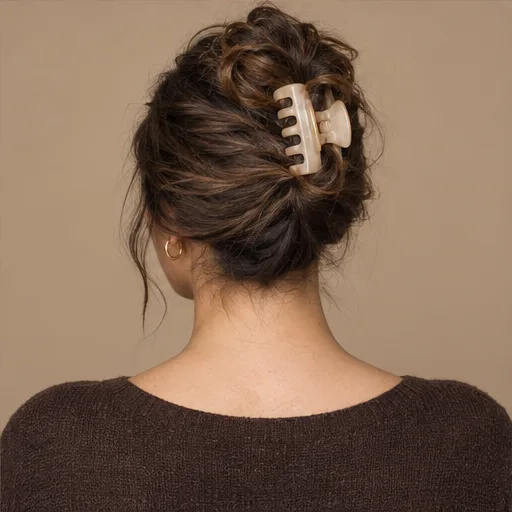
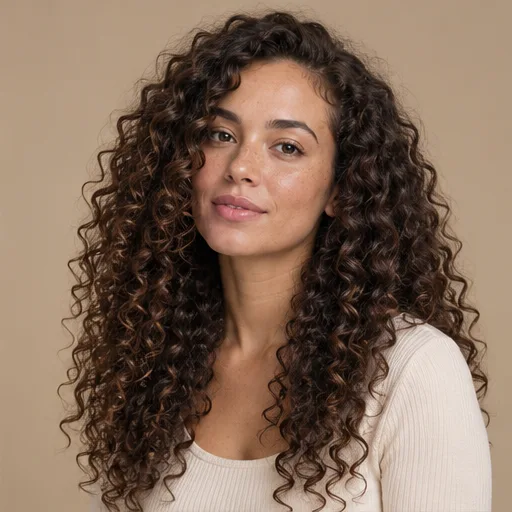
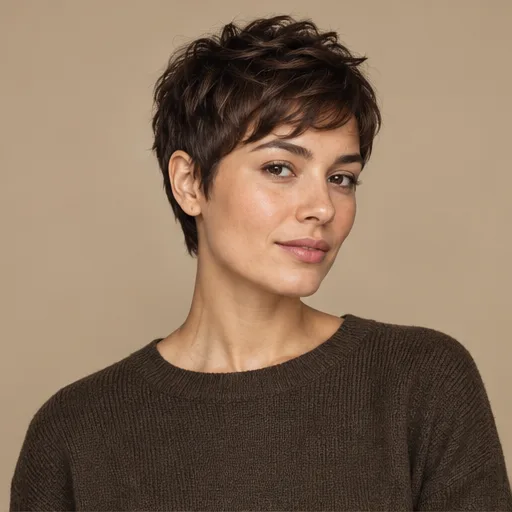
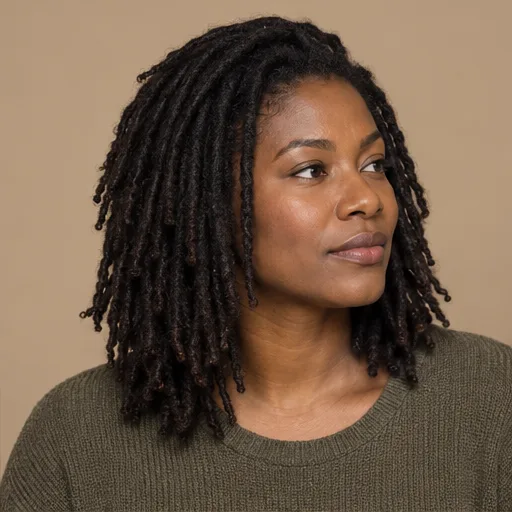
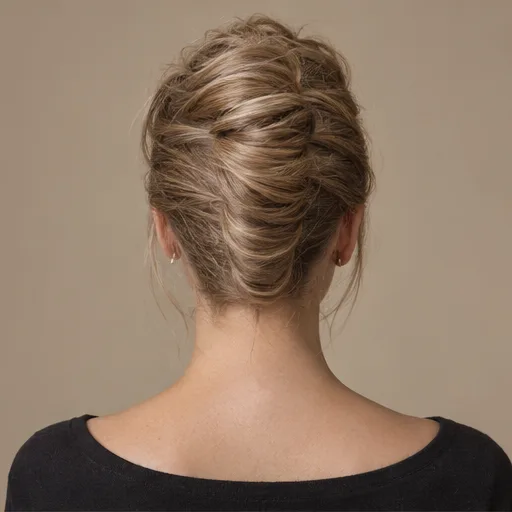
Concept references for shape and placement. Use the differences you like in your consultation; these are not step-by-step results or predictions for your hair.
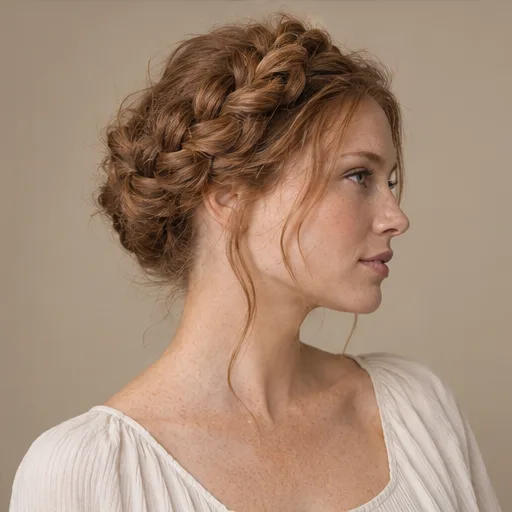
Compare your options
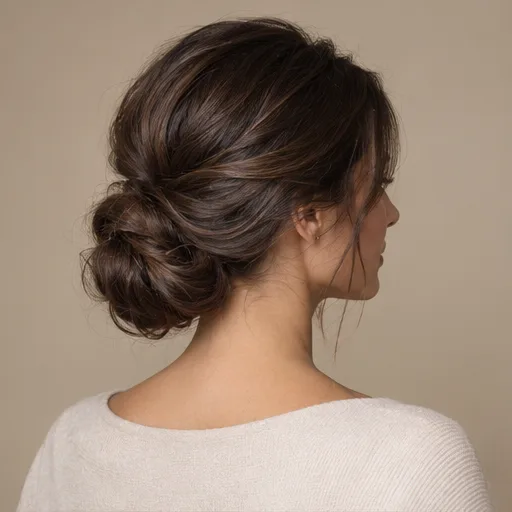
Low chignon or textured twist
Keeps the neck clear and gives an accessory a defined placement. Check the profile against the neckline and test whether a veil comb can be removed independently.
Ask about: Can the bun sit here comfortably with my veil, and how will we remove the veil later?
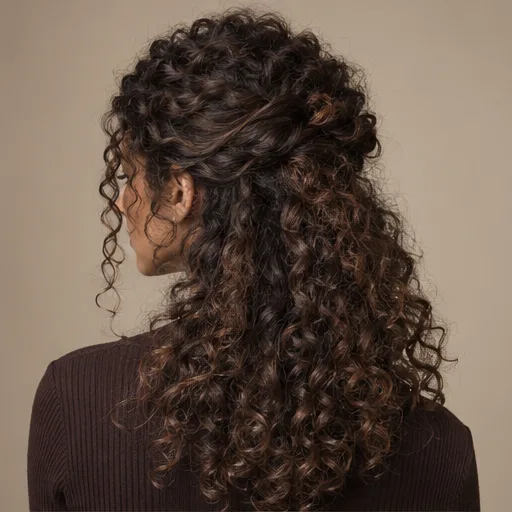
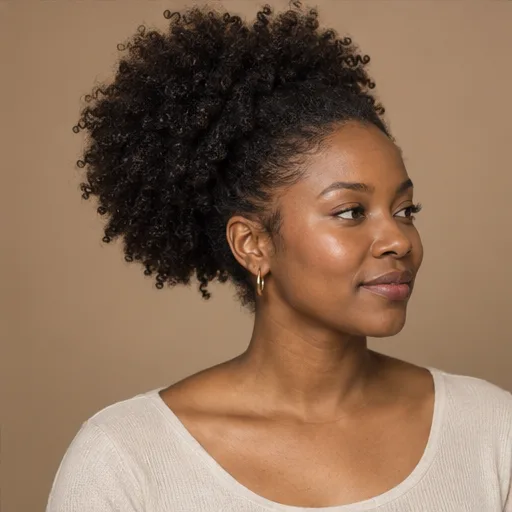
Defined texture, down or half-up
Keeps curls, coils or waves visible and can feel close to your everyday identity. Plan the front arrangement and how the dry shape behaves through the event.
Ask about: Which parts will be secured, which remain loose, and how can we refresh the front if needed?
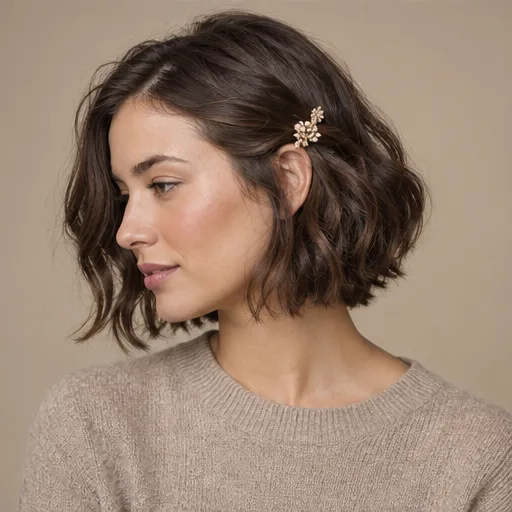
Short shaped style with an accessory
Makes a pixie, crop or bob the intended silhouette. An accessory can add occasion detail without needing artificial bun volume or a last-minute growth plan.
Ask about: What is the lightest reliable accessory placement on my actual length?
Make the first decision specific
A down style keeps length and movement visible but may brush against a collar, straps or jewellery. An updo clears the neck and creates an anchor for accessories, though its weight and placement need testing. Half-up hair opens the face while retaining movement. Short hair can be fully intentional with a sculpted part, defined texture or one accessory; growing it out is an option, not an obligation.
Bring two or three references and identify the part you want from each: the front softness, height, curl size or bun position. Include a back view if available. A reference with extensions, a blowout or a different density may require adaptation. Ask what can be done with your own hair before deciding whether extra hair is worthwhile.
Prepare for a useful trial
Book with enough time to make a considered change afterward, using the stylist's actual availability and your event schedule. Ask for their preparation instructions rather than assuming every trial needs unwashed hair. Bring the veil, comb, pins, headpiece or head covering you expect to wear, plus a neckline photo. Tell them about planned cuts, color services and existing braids, locs or extensions.
The service duration must come from the person doing it. For your own planning, allow an estimated 15–20 minutes after the styling to test accessories, take front/side/back photos and discuss changes. That is separate from washing, setting, drying and the styling appointment itself. If a style depends on a curl set, ask how the set time appears in the wedding-morning schedule.
Run the trial as a rehearsal
A trial becomes more useful when you test the complete arrangement rather than judging only a front-facing mirror view.
- Start in the hair condition agreed with the stylist. Confirm what will be different on the event day, including travel, humidity, outdoor time and the final accessories.
- Ask to see the front shape before the entire style is fixed. Check the part, fringe, height and how much of the ears and face remain visible.
- Place the actual veil or headpiece and practise the planned removal. Identify which pins support the hairstyle and which hold only the accessory.
- Move your head, look down, sit against a chair and try the neckline or a similar garment. Note any point that presses, catches or pulls.
- Photograph the front, both sides and back in ordinary light. Wear the arrangement for a realistic portion of the day if possible, then record what shifted and when.
- Send or take clear notes into the final planning conversation: keep this shape, move this anchor, reduce this weight, or change the visible texture. Agree who can make a small repair and what supplies they need.
Short, curly, coily and loc options
For a pixie or crop, focus on the part, texture direction and accessory scale. A small comb may overwhelm a very short section; a suitable light clip or headband can be easier to place. A bob can have a pinned side, soft wave, tucked front or small half-up section without pretending it has enough nape length for a large bun.
For curls and coils, decide whether the wedding style should keep the usual dry pattern, stretch it or combine a defined front with a fuller back. Plan using the dry silhouette and include your normal products in the discussion. Existing locs can be arranged into a side sweep, half-up gathering or supported updo according to length and weight; discuss maintenance timing with the person who knows the installation. Straightening is not a prerequisite for an occasion style.
Build durability around comfort
Prepare a small kit with the exact pins or ties used, a spare accessory if useful and the stylist's agreed repair steps. If the veil is coming off, ask someone to practise lifting it free without dismantling the anchor. Choose a simple evening change that can be done with the existing preparation instead of requiring a complete second service.
Weather may change volume or curl definition. Test a looser interpretation of the style as a backup, and accept some movement if that is part of your preference. Pain or scalp pulling calls for loosening; AAD's guidance is at aad.org source.
Take this to your appointment
A starting point for your brief
My event includes ___, my neckline is ___, and I will wear ___. I want the front to look ___ and the texture to remain ___. Please plan a trial with the actual accessory, agree the washing and drying schedule, show removal and repair, and give a service-time estimate for the final arrangement.
Use this in my briefAdapt the wording to your own hair, preferences and history.
Common questions
Should I try a completely new color or cut immediately beforehand?
Build major changes into your consultation and trial timeline. A familiar finished shape makes planning easier; the right timing depends on the service and your preferences.
Do I need extensions for bridal hair?
Only if you want a result that benefits from added length or volume and accept the extra weight, application and removal. Ask to see an option using your own hair first.
Sources & further reading
Sources accessed 3 October 2026. These publishers have not reviewed this guide. Our editorial standards explain our method.