Haircuts
Shag or wolf cut? Choose the shape behind the name
Compare a soft shag, stronger wolf shape, curly shag and long layered alternative by crown length, fringe, density and styling commitment.
Upkeep: Keeping a strong crown-to-back contrast requires reshaping the layers and fringe. Growing it out means preserving shorter layers while deciding how much of the longest edge to retain.
Effort is a planning estimate. The specific option and your routine change the commitment.
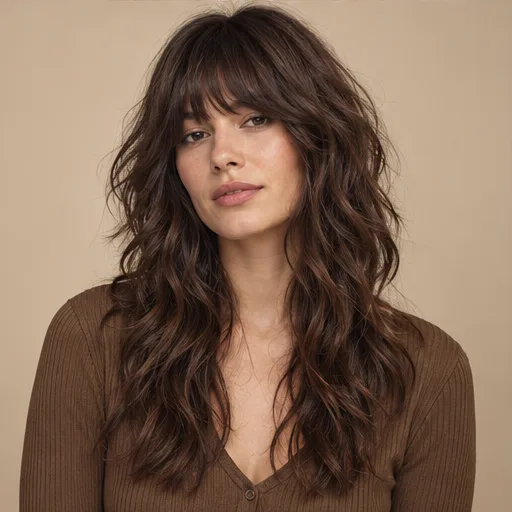
The starting point
A shag emphasizes layers and texture; a wolf cut usually pushes the contrast between a fuller, shorter upper section and a longer, narrower lower section. The names overlap, so choose the silhouette rather than relying on the label. The decisions that matter are crown length, fringe, fullness around the face and how much weight remains at the ends.
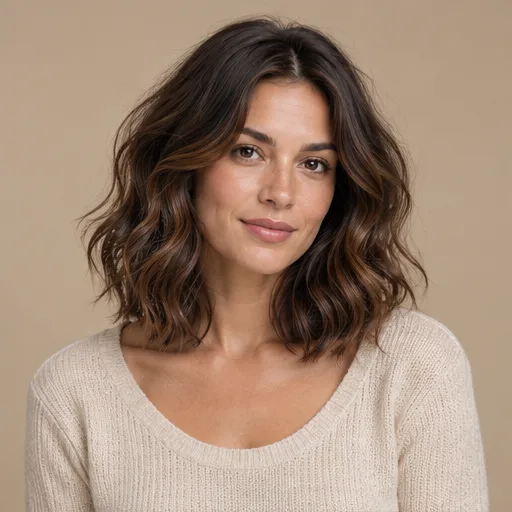
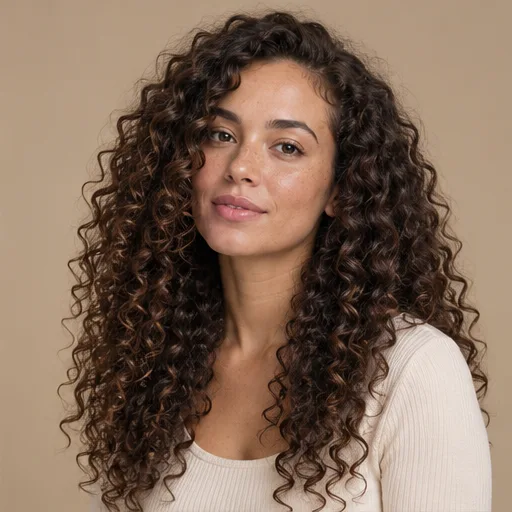
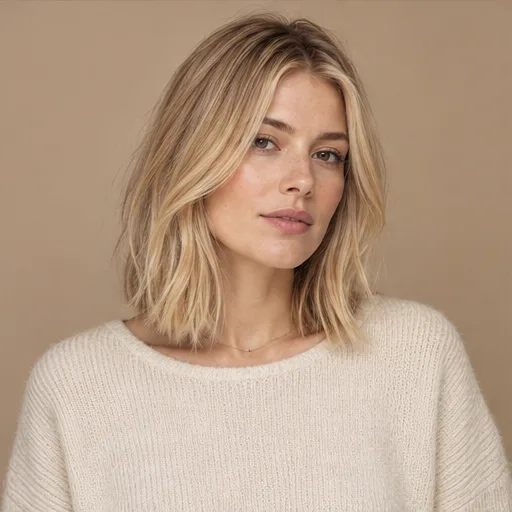
Compare the visual directions
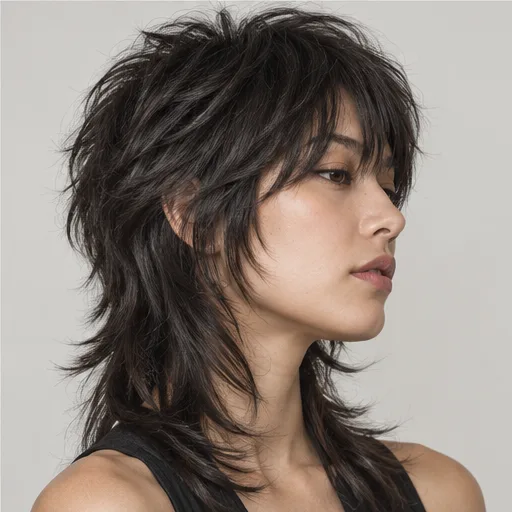
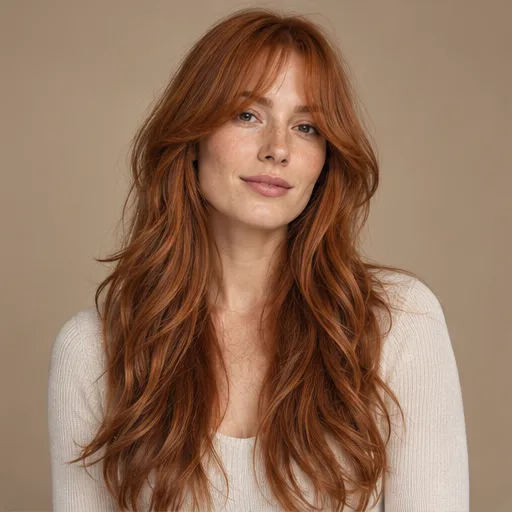
Concept references for shape and placement. Use the differences you like in your consultation; these are not step-by-step results or predictions for your hair.
Compare your options
Soft shag
A gentler difference between layers creates movement while retaining more connection through the outline. It is useful if you like texture but do not want a dramatic top-to-back contrast.
Ask about: Keep the layering soft and retain enough fullness at the ends for my normal finish.
Defined wolf silhouette
A shorter, fuller upper section contrasts with a longer lower section. Choose it because you like that shape, including its narrower ends and visible separation, not because the longest hair is still long.
Ask about: Show me the shortest crown and side layers, and how the back will look without styling.
Curly or coily shag
Texture forms the layers' visible shape. Dry fringe length and crown-to-side balance matter more than copying a straight-haired diagram. The routine should preserve the finish you want to wear.
Ask about: Build the shape around my dry pattern and tell me how the fringe and crown will sit after my usual wash routine.
Long layers with a textured face frame
This keeps more length together while borrowing some face-framing character. It is a useful alternative if your priority is fuller ends or easier tying rather than a strong shag silhouette.
Ask about: Give me the front movement I like while keeping the back substantially less layered.
Look for the shortest layers, not the longest ends
The longest hair in a shag can look familiar while the crown and face-framing sections are dramatically shorter. Ask the stylist to point out those shorter areas in your reference. They determine much of the shape, the ability to tie everything back and the path to a less layered cut later.
A softer shag blends the changes more gradually. A stronger wolf shape makes the difference between the top and back an intentional feature. You might like the fringe of one photo and the less narrow ends of another. Describe that combination in concrete terms, then let the stylist explain whether the sections can connect coherently.
Decide how much fullness to retain
If your priority is a substantial lower edge, be cautious about a reference with very separated, wispy ends. Ask how the proposed layering will redistribute your existing hair. A cut cannot create additional density, and removing weight from the bottom may not give the result you want when the hair is worn straight.
High density can provide room for a more layered shape, but there is still a choice about where fullness should sit. You may want lift near the crown while keeping the sides compact, or width around the cheek area with a quieter top. State the visual goal without assuming that more layers always solve bulk. The same layer placement is not appropriate for every growth pattern.
Check the reference's finish
On naturally wavy hair, a shag may show separation with an air-dried finish, although different sections will still behave differently. Straight hair can display the structure more sharply and may need deliberate bending or directional drying to resemble a loose, tousled picture. Decide whether you like the unstyled outline as well as the finished image.
Curly and coily versions should be planned around the dry shape rather than treating the hair as a straight shag with curls added afterwards. Discuss the fringe's dry length, the balance between crown and sides and any areas with a different pattern. A rounded curly shag and an elongated wolf silhouette are distinct choices; neither requires changing your natural texture to be valid.
Make the fringe a separate agreement
A full fringe, curtain fringe and no fringe change how strongly a shag frames the face. The shortest pieces may require refreshing even when the rest of the hair is low effort. If you want to be able to pin everything away, demonstrate the practical minimum length and ask what would remain loose.
Ask for one repeatable finish that uses your preferred texture. If you intend to air-dry, show the stylist what that currently looks like. If you are happy styling the front but not the whole head, say so. A sensible compromise may be softer layering or a longer fringe rather than a more complicated product routine.
Understand the exit route
Growing a heavily layered cut into a solid bob or long one-length outline involves allowing shorter areas to catch up, sometimes while bringing the longest areas upward. That is a shape decision, not a fixed calendar promise. Before the cut, ask which sections will take the most patience and which transitional styles are realistic.
At follow-up visits, name the goal clearly. Repeating a crown-shortening trim keeps the shag structure, while preserving the crown and adjusting the lower outline moves away from it. Take photos of the dry shape from the side and back so you can discuss where the balance has changed instead of asking to remove length indiscriminately.
Take this to your appointment
A starting point for your brief
I prefer a ___ shag/wolf silhouette. Keep the shortest crown at ___, the fringe at ___ when dry and this much fullness at the ends: ___. I will style ___. Please show the unstyled shape and explain the route back to a less layered cut.
Use this in my briefAdapt the wording to your own hair, preferences and history.
Common questions
Are shag and wolf cut exact technical categories?
The labels are used inconsistently. Bring front, side and back references and identify the crown, fringe and lower outline. Those details are more useful than assuming everyone means the same thing by the name.
Can I keep a ponytail?
The longer back may reach, while shorter crown or face-framing pieces may not. Show your usual tie position and decide whether escaped pieces are part of the look or a problem to avoid.