Texture & density
Straight haircuts: choose the line, then the movement
Compare blunt shapes, restrained layers, crops and fringe for straight hair, with practical advice on density, styling and visible outlines.
Upkeep: A crisp perimeter or fringe makes small changes in length more visible. A relaxed lob or restrained long layers can grow farther if you enjoy their changing outline.
Effort is a planning estimate. The specific option and your routine change the commitment.
The starting point
Straight hair makes the haircut's outline especially easy to read. Start by choosing whether you want a clean, continuous edge or visible movement through different lengths. Then decide how much of the reference depends on bending, lifting or brushing the hair into place. A beautiful straight cut can be deliberately simple; it does not need added waves to feel finished.
Compare the visual directions
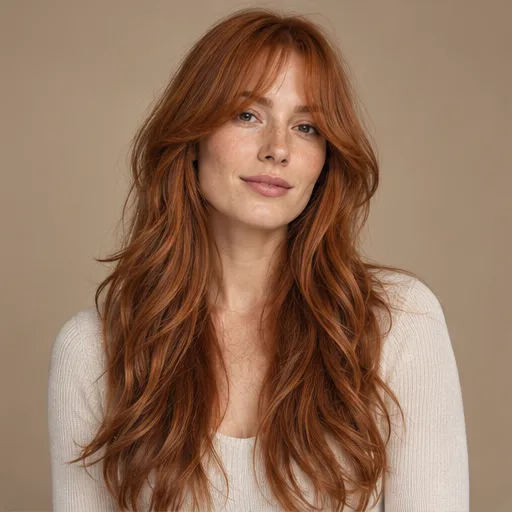
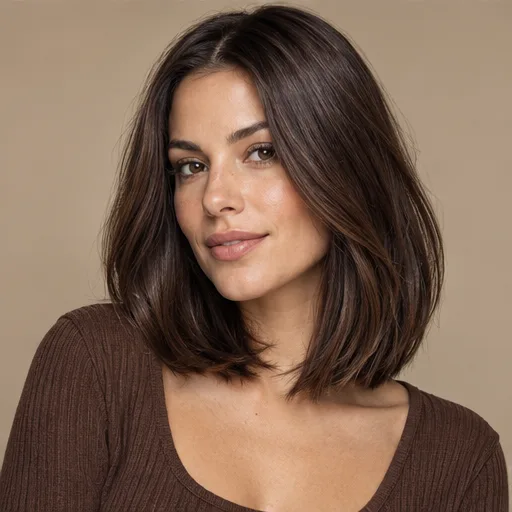
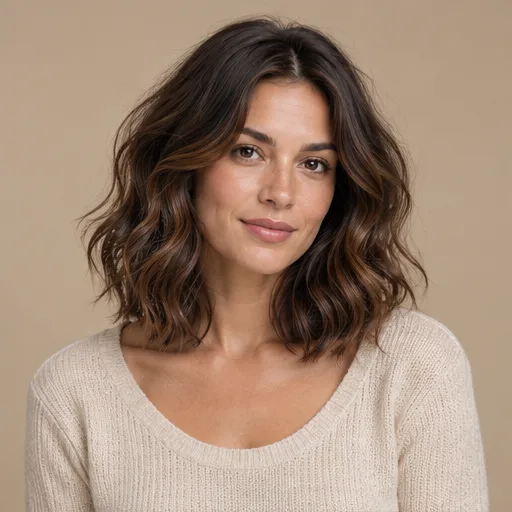
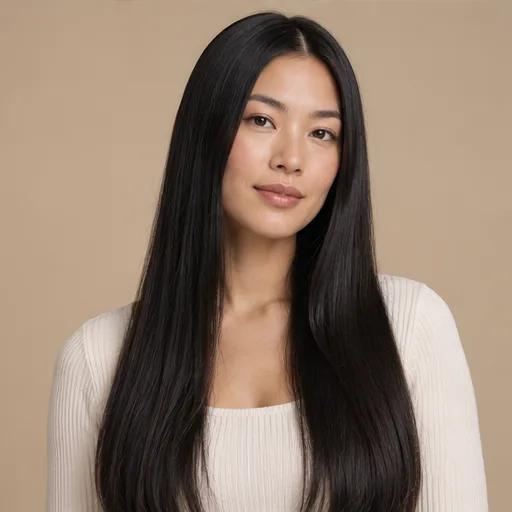
Concept references for shape and placement. Use the differences you like in your consultation; these are not step-by-step results or predictions for your hair.
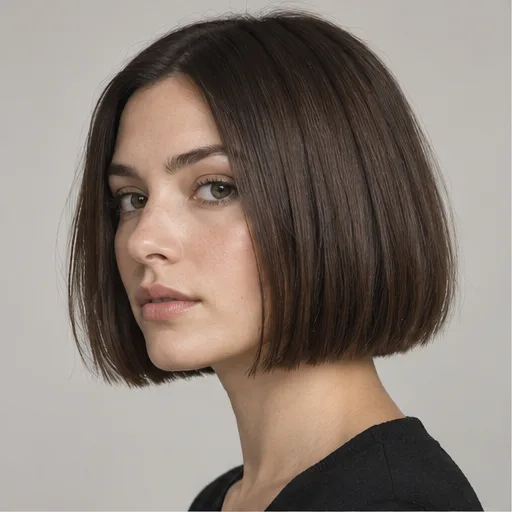
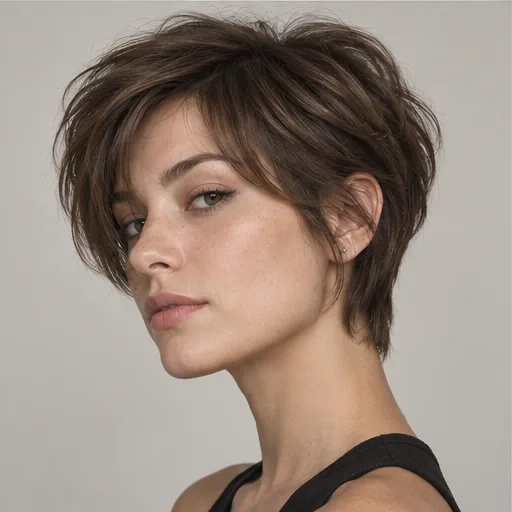
Compare your options
Blunt bob or lob
Choose a clear lower line with few competing lengths. The main decisions are dry landmark, angle and whether the front should tuck. It offers a graphic shape without requiring curled ends.
Ask about: Keep the edge clear in my usual part and show it tucked and untucked.
Long, substantial perimeter
Retain the length and a coherent bottom edge, adding only the front or internal shaping you actually want. This is useful when braids and ponytails are a priority.
Ask about: Preserve the length and the amount reaching the ends; keep any face frame long enough for my routine.
Restrained long layers
Add movement while keeping the length differences relatively gentle. The result may be quiet when worn straight and more visible after styling, which should be understood before the cut.
Ask about: Show me how the layers will look straight, not only after a blowout.
Soft crop or pixie
A short outline can be sleek or separated depending on growth direction and length. Decide the front, ear and nape details individually. A longer top adds options but may need more direction.
Ask about: Work with my natural direction and show the easiest finish for the front and crown.
Choose a line you enjoy seeing
A blunt bob, long one-length shape and soft crop each create a different relationship between the edge and the rest of the hair. Look at where the reference ends from the front, side and back. If you like precision, ask about the perimeter and how the part affects it. If you prefer softness, explain whether you want a less sharp edge or genuine layers inside.
Straight does not mean every strand falls in one direction. A front cowlick, crown separation or bend at the nape can affect a shorter shape. Bring an ordinary dry photograph and show how you part the hair. A temporary salon part may make a reference finish look possible without showing how you will actually wear it.
Use layers for a purpose
Long layers can provide separate pieces to move or style while leaving much of the perimeter intact. More pronounced layering can create a stronger outline, but it may also expose a difference between the shorter body and longer ends. Ask to see that difference in a straight finish before choosing it from a curled picture.
Density matters alongside strand diameter. Fine, abundant straight hair can need different shaping from straight hair with fewer strands at the bottom. If preserving a substantial edge is important, say so explicitly. If the hair feels too wide or heavy at one point, ask about that specific area rather than requesting thinning all over.
Be honest about the movement you want
A smooth blowout with turned ends is a styling result. The cut supports it, but a picture does not show how much brushing or drying created the finish. Ask what the hair will look like after your normal routine. If you want to do very little, choose a shape whose natural outline appeals to you before adding optional bends.
For a simple everyday finish, establish the part, let the hair settle and then adjust the pieces that need direction. A shorter fringe may need resetting separately from the rest. If you enjoy occasional heat styling, keep it an optional finish rather than a condition of liking the haircut.
The American Academy of Dermatology advises limiting damaging heat practices and using flat irons on dry hair with lower settings. Do not treat a protective product as permission for unlimited passes. Our heat-styling guide explains the general precautions; follow your tool's instructions as well. aad.org source
Check practical details in a sleek finish
Tucking can change the apparent balance of a bob, especially if one side is usually behind the ear. Ask to see it both ways. For longer hair, decide whether front layers must reach a ponytail or braid. For a crop, discuss which areas should lie close and which may be allowed to stand or separate.
Glasses, collars and hats can redirect individual sections. If a shoulder-length cut repeatedly turns out where it meets clothing, the useful choice may be a different landmark or accepting the bend as part of the shape. More product is not always the answer to a length relationship.
Maintain the intention as it grows
Straight hair may make a changed line obvious before the cut feels much longer. Decide whether that bothers you. Someone who likes a precise jaw-length bob may refresh sooner than someone wearing a relaxed lob, even though both cuts are simple.
When moving from layers to a more solid edge, preserve the shorter sections while deciding how much of the longest perimeter to adjust. Tell the stylist that the goal has changed. Otherwise, a routine request for the same cut can keep reintroducing the structure you are trying to grow out.
Take this to your appointment
A starting point for your brief
I usually wear my straight hair ___. I prefer a ___ edge and ___ amount of visible layering. Keep these pieces long enough to ___, and show how the cut sits with my normal part. Any lifted or bent finish should be optional unless we agree otherwise.
Use this in my briefAdapt the wording to your own hair, preferences and history.
Common questions
Can a layered cut look good completely straight?
Yes, if you like the actual outline and separation. Ask to see a straight reference and confirm that the finish you admire is not mainly the result of a round-brush blowout.
Do I need waves to make a bob look modern?
No. A deliberate length, part and perimeter can make a straight bob feel complete. Choose the finish you enjoy rather than adding a routine only because the reference was waved.
Sources & further reading
Sources accessed 3 October 2026. These publishers have not reviewed this guide. Our editorial standards explain our method.