Hair color
Grow out color into gray: compare the transition routes
Plan a visible grow-out, selected blending, a shorter transition cut or continued coverage. Keep the destination separate from the next appointment.
Upkeep: Natural growth remains individual and existing color does not simply turn gray. Ask which service supports the chosen destination and which would restore the boundary you are trying to leave.
Effort is a planning estimate. The specific option and your routine change the commitment.
The starting point
Moving from colored lengths to natural gray is a transition between two areas of hair. You can leave the boundary visible, soften it with a professional color plan, shorten the colored portion, or continue coverage while reconsidering. The right route depends on which change you want to live with along the way.
Compare the visual directions
Concept references for shape and placement. Save the specific look you like and open its details. These are starting points for a consultation.
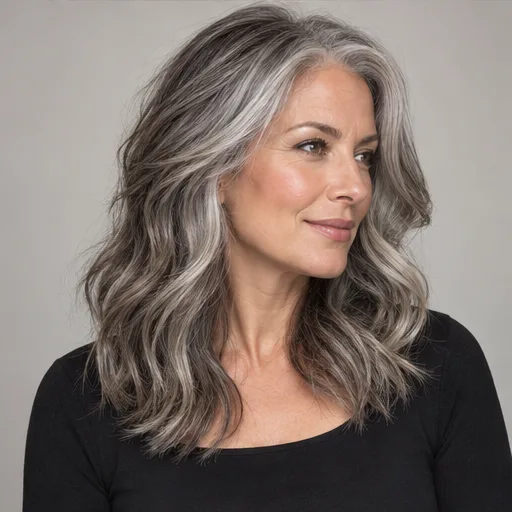
Gray and brunette dimension
Lighter gray-looking areas and darker pieces remain visible together in a medium-length shape.
Styling effort varies · Medium lengthDetails & styling for Gray and brunette dimension
Choose it for: A mixed light-and-dark impression rather than opaque uniform coverage.
Think about: A picture cannot tell which areas are natural or colored. Your own gray distribution and color history determine the route.
A routine to discuss
- State whether the destination is natural gray or an ongoing mixed-color design.
- Ask how each proposed service supports that destination.
Upkeep: Blending and full coverage create different future boundaries.
Your salon request: I like the mixture of light and depth. My destination is ___, and I want to understand each transition step.
Use this look in my brief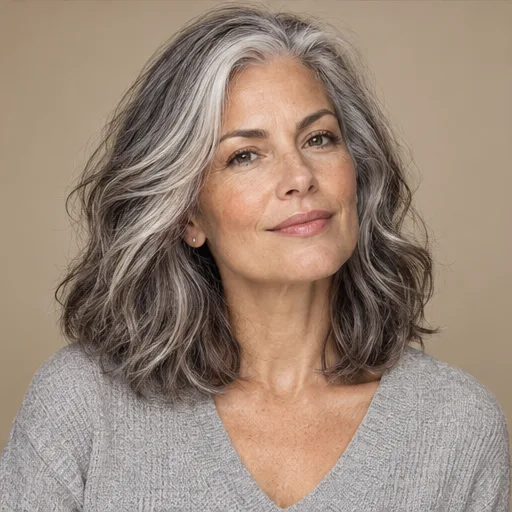
Salt-and-pepper waves
Visible light and dark strands form a varied medium-length surface with soft movement.
Styling effort varies · Medium lengthDetails & styling for Salt-and-pepper waves
Choose it for: A reference that keeps mixed natural-looking tones visible.
Think about: Your own gray pattern will differ. The cut and wavy finish can be chosen independently of an exact shade match.
A routine to discuss
- Compare the silhouette in your normal texture.
- Discuss whether you want to keep natural growth or make any deliberate color adjustment.
Upkeep: Keep the haircut plan separate from the decision to color or grow out.
Your salon request: I like the visible mixture and soft outline. Help me plan that shape around my own color distribution.
Use this look in my brief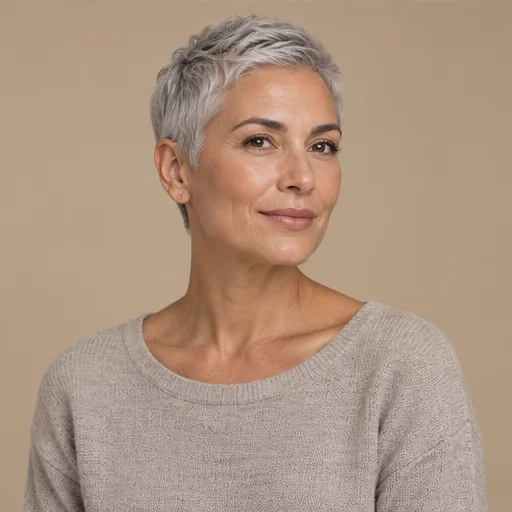
Soft short silver crop
A short softly textured top and compact sides leave the face and neck open.
Low styling effort · Short lengthDetails & styling for Soft short silver crop
Choose it for: A small, simple silhouette with a little directional texture on top.
Think about: The silver shade does not determine the haircut or guarantee the same density. Choose the outline independently.
A routine to discuss
- Guide the top into its natural direction.
- Use a light touch of finish only if more separation is wanted.
- Check the nape and ear area when deciding what needs reshaping.
Upkeep: A soft outline can grow differently from a clippered edge; agree on your preferred grown-in shape.
Your salon request: I want this soft compact shape with enough top length to ___. Keep the ear and nape outline ___.
Use this look in my briefCompare your options
Visible natural grow-out
Leave new growth uncolored and allow the boundary to move downward. This avoids repeatedly recoloring that new section, but the contrast is part of the visible style.
Ask about: How can my part or haircut make the two-tone stage feel intentional?
Selected professional blending
A colorist may adjust selected areas of brightness or depth to soften the boundary. Suitability depends on previous color, condition and the result you want.
Ask about: Will this step move me closer to natural growth, and what future upkeep does it introduce?
Shorter transition cut
Removing some colored length reduces the distance to the natural shade. The haircut should still suit your desired silhouette and routine; short hair is an option, not an obligation.
Ask about: How much colored length remains after each possible cut?
Keep coverage for now
You can decide that the timing or appearance of the transition does not suit you and maintain coverage. That is a valid preference, but it is a different destination.
Ask about: What would change if I choose to start growing it out later?
Choose the destination before the service
Decide whether you want fully natural color, a mixture of gray and deliberate color, or a less frequent coverage routine. These goals call for different choices. A blending appointment can be useful for one goal and counterproductive for another.
Collect references for the intermediate phase as well as the end result. A person with completely natural silver hair is not showing the boundary you may live with first. Discuss what your own growth pattern looks like around the temples, part and back.
Map existing color honestly
Tell the colorist where permanent color, lightening or repeated home color is present. Different parts of the length may have different histories. Do not assume they will respond uniformly because they look like one shade now.
Avoid trying to create silver with a home formula copied from a photo. The feasibility of lightening or changing old color needs individual assessment. A more gradual route may keep more flexibility if the initial goal is not suitable.
Use cut and styling as separate tools
A new part can change which growth is visible. A textured finish can make the boundary less graphic, while a sleek finish can display it deliberately. Neither requires pretending the colored section has disappeared.
A shorter crop, bob or layered shape can reduce colored length at different rates. Use the haircut you actually want as the starting point; do not choose a cut you dislike solely to accelerate the color transition.
Review the plan at useful checkpoints
Photograph the hair in consistent ordinary light and your normal finish. At the next appointment, compare where the boundary sits and whether the chosen routine still feels manageable. Agree which sections remain uncolored.
Ask what happens if you stop additional blending appointments. A transition plan should have a clear relationship to your destination rather than becoming an endless series of services whose purpose is unclear. You can revise the destination as preferences change.
Take this to your appointment
A starting point for your brief
My destination is natural gray / a gray-and-color mix / less frequent coverage. Existing color is at ___. I am comfortable with ___ contrast during the transition. Please explain how each proposed service moves me toward that destination.
Use this in my briefAdapt the wording to your own hair, preferences and history.
Common questions
Do I have to cut my hair short?
No. A shorter cut removes colored length sooner, but visible grow-out or professionally assessed blending can preserve more length. Choose the tradeoff you prefer.
Can a silver reference predict my natural result?
No. Your natural distribution of gray and remaining pigment is individual. Use the image for contrast and shape preferences, not a promised exact shade.
Sources & further reading
Sources accessed 3 October 2026. These publishers have not reviewed this guide. Our editorial standards explain our method.