Men’s hair
Undercut, mullet or flow: choose the connection and nape
Compare a disconnected undercut, a longer-nape mullet and connected layered flow. Understand the loose shape and the grow-out before committing.
Upkeep: Short sides and long sections do not grow into a connected shape at the same pace. Decide which parts need maintenance and which are being left to catch up.
Effort is a planning estimate. The specific option and your routine change the commitment.
The starting point
An undercut creates a contrast between a longer upper section and shorter hair beneath. A mullet deliberately retains more nape length relative to the sides and top. Flow keeps a more connected travelling length. These labels can overlap, so agree on the outline when the hair is loose as well as styled.
Compare the visual directions
Concept references for shape and placement. Save the specific look you like and open its details. These are starting points for a consultation.
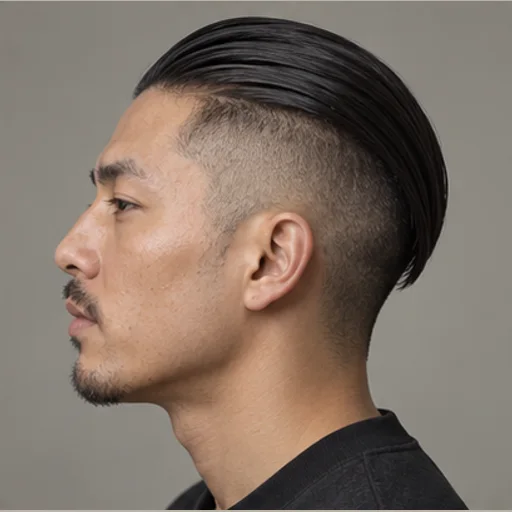
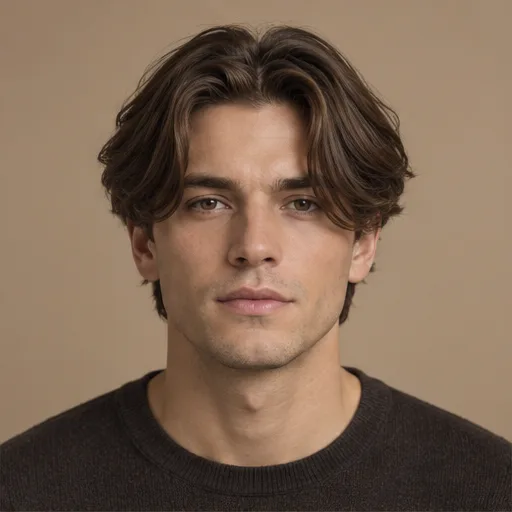
Slick-back over a disconnected undercut
A longer backward-swept top sits above a clearly shorter disconnected side.
Moderate styling effort · Medium lengthDetails & styling for Slick-back over a disconnected undercut
Choose it for: Strong contrast with a relatively flat backward top.
Think about: The loose top and the grow-out can look very different. Ask to see where the disconnection begins.
A routine to discuss
- Direct the top backward while drying without excessive front lift.
- Use the chosen finish gradually and check the side profile.
Upkeep: The lower area needs time to reconnect if you later grow toward fuller sides.
Your salon request: Keep the top swept back and show the disconnection at ___. I also want to know how it falls loose.
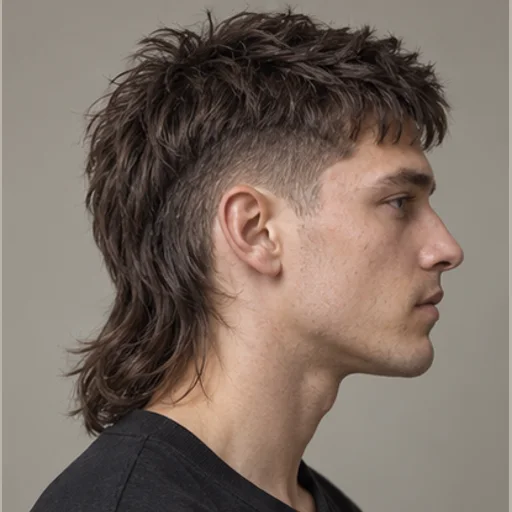
Use this look in my briefTextured mullet with a longer nape
Shorter side and crown texture contrasts with an extended nape.
Moderate styling effort · Medium lengthDetails & styling for Textured mullet with a longer nape
Choose it for: A visible front-to-back difference and movement at the neck.
Think about: The tail is a deliberate part of the cut. Check the full profile instead of choosing from a front photograph alone.
A routine to discuss
- Arrange the fringe and crown without flattening all their texture.
- Let the nape move separately and check how it rests against a collar.
Upkeep: Growing away from the contrast requires a plan for the short sides and crown.
Your salon request: Keep this longer nape at ___, with ___ contrast at the sides and enough crown length to ___.
Use this look in my brief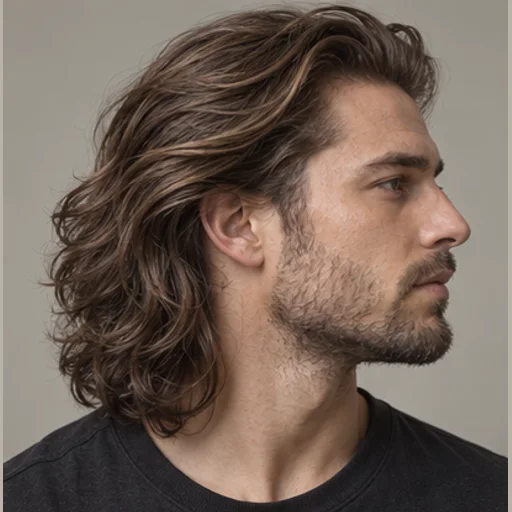
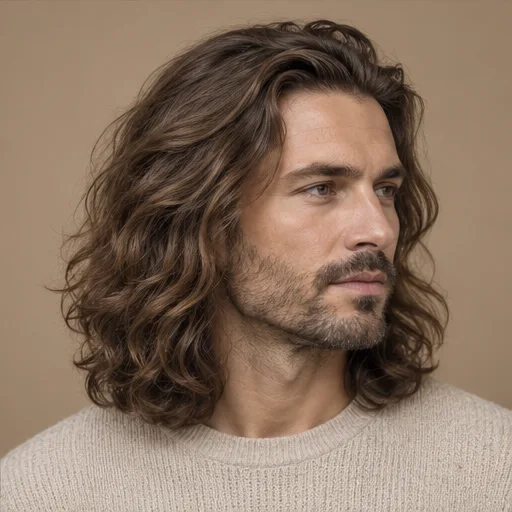
Layered flow around the ears and neck
Connected waves sweep around the ears into a longer nape without a sharp side break.
Low styling effort · Medium lengthDetails & styling for Layered flow around the ears and neck
Choose it for: Length and movement through the sides as well as the back.
Think about: This finish depends on retained side length. Repeatedly restoring a close fade works against it.
A routine to discuss
- Direct the sides around the ears while they dry.
- Let the waves settle and only reset the front if needed.
Upkeep: Ask for shaping that keeps the side sections growing toward the connected outline.
Your salon request: Keep the ear and nape movement connected, with layers releasing at ___ rather than a short undercut.
Use this look in my brief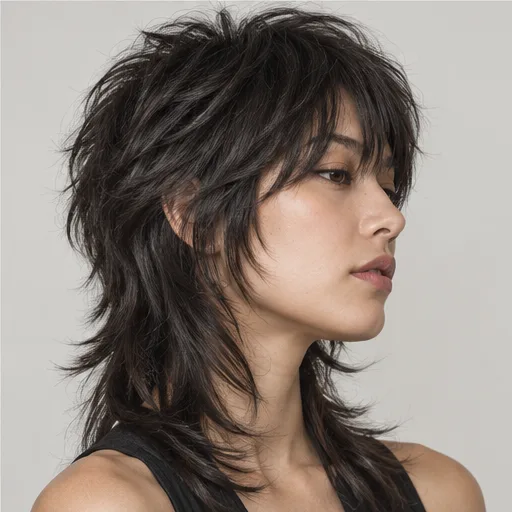
Short crown, longer wolf silhouette
The shorter, more pronounced crown and longer nape give this profile its contrast. It is a stronger structural change than simply adding a face frame.
Moderate styling effort · Long lengthDetails & styling for Short crown, longer wolf silhouette
Choose it for: Visible separation between volume above and length below.
Think about: A dramatic short crown can take time to reconnect with the lower length. Discuss a softer version if that grow-out is unwelcome.
A routine to discuss
- Direct the crown roots toward the fullness you want.
- Keep the lower length looser and flatter so the two zones stay distinguishable.
Upkeep: Review the crown and nape as separate growth zones.
Your salon request: I want ___ contrast between the crown and nape. Show the shortest layer and explain how we would grow it into a softer shape.
Use this look in my briefCompare your options
Disconnected undercut
The upper length sits over or away from a much shorter lower area. It creates a strong contrast, especially when swept back or tied.
Ask about: Where is the line of disconnection and how does it look with the top falling forward?
Soft modern mullet
The nape stays visibly longer while the side and crown contrast can be relatively gentle. It preserves movement at the neck without requiring an extremely short side.
Ask about: How long is the tail in relation to the crown and ear area?
Stronger mullet contrast
Shorter sides and crown make the long nape more pronounced. It has a clearer grow-out commitment because the short areas need time to rejoin the length.
Ask about: Which short section will take longest to reach my next possible style?
Connected layered flow
Longer sides and back travel together around the ears and neck. The movement depends on length and natural texture rather than a sharp disconnected boundary.
Ask about: Can the ear area tuck, and where should the layers release around the neck?
Use the side view as the decision point
Mark the ear exposure, the lowest nape point and the shortest crown layer. A front image can make an extreme mullet look like a conventional crop because the tail is hidden. A back view can hide an undercut covered by a longer top.
Look at the hair down, swept and gathered if those are all intended options. You should like the loose arrangement as well as the styled one, especially if you want low-effort days.
Choose the contrast you want to live with
A softer transition preserves more connection and can be easier to redirect into another longer style. A deliberate disconnection gives a stronger edge but may expose a ledge or gap when worn in a different direction. Those are design choices to preview.
For waves or curls, the nape can spring up differently from the crown. Agree on the dry relationship between the sections rather than requiring a particular measured difference. Discuss how the tail rests against collars or headwear.
Set a repeatable finish
For a mullet, arrange the fringe and crown in their intended direction while letting the nape retain movement. Avoid smoothing every section into the same direction if you like the contrast. For flow, direct the sides around the ears while the hair dries and leave the natural bends visible.
For an undercut, decide whether the top rests backward, sideways or forward. A very smooth slick-back and a loose wave require different styling choices; the shorter underside alone will not create either finish.
Give the grow-out a destination
To grow an undercut into connected layers, the short lower section needs time while the longer top may be reshaped to meet it. To leave a mullet, you may shorten the tail while the sides and crown grow, or keep all the length while accepting an intermediate outline.
Use function as the checkpoint: ear tuck, small tie-back, connected side or fuller crown. There is no universal number of weeks that moves every starting cut to that point. Specify what to leave growing at each appointment.
Take this to your appointment
A starting point for your brief
I want ___ contrast between top and sides, with the nape ending at ___ when dry. I wear the hair loose / swept / tied. Please show the connection and explain how I could grow toward ___ later.
Use this in my briefAdapt the wording to your own hair, preferences and history.
Common questions
Does a mullet require shaved sides?
No. A longer nape relative to the rest creates the basic relationship. You can choose soft side length or a stronger short-side contrast.
Can an undercut grow into flow?
It can, but the short lower sections need time to connect. Discuss which longer pieces to retain or reshape while they catch up.