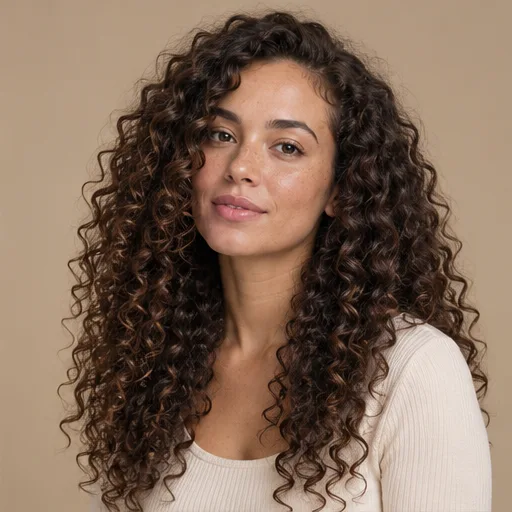
Texture & density
Curly bobs: choose the outline, fringe and dry length
Compare an open-front curly bob, a rounded bob with bangs, a longer bob and an angled outline. Plan the shape around your dry curls.
Upkeep: The fringe and nape may need attention before the sides. Discuss which curls to leave growing rather than shortening the whole outline at every visit.
Effort is a planning estimate. The specific option and your routine change the commitment.
The starting point
A curly bob is defined by its dry outline, not the ruler measurement while it is stretched. Start with the place you want the longest curls to finish, then decide where you want width and whether the forehead should stay open. Those decisions separate a compact bob from a rounder shape or a longer, shoulder-skimming cut.
Compare the visual directions
Concept references for shape and placement. Save the specific look you like and open its details. These are starting points for a consultation.
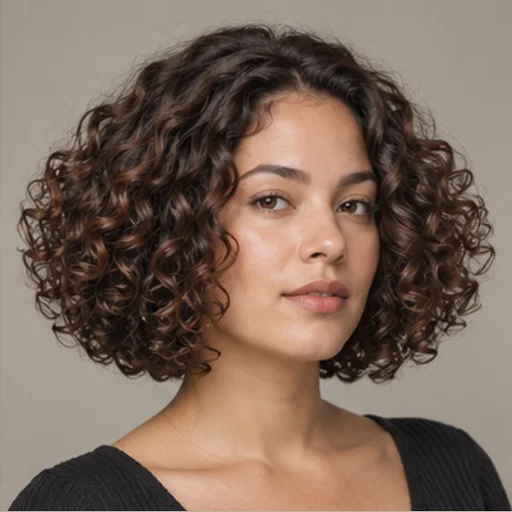
Curly bob with an open forehead
Jaw-area curls form a full lower outline while longer front pieces leave the forehead open.
Moderate styling effort · Short lengthDetails & styling for Curly bob with an open forehead
Choose it for: A curly bob without a separate short fringe.
Think about: The front can still fall forward even without bangs. Specify whether it must tuck or clip away.
A routine to discuss
- Set your usual part before drying.
- Let the front curls dry without stretching them into a false length.
- Separate only the groups you want softer once dry.
Upkeep: Keep the front and lower outline coordinated rather than shortening every curl to one level.
Your salon request: I like the open forehead and lower fullness. Keep the front long enough to ___ and the perimeter at ___ when dry.
Use this look in my brief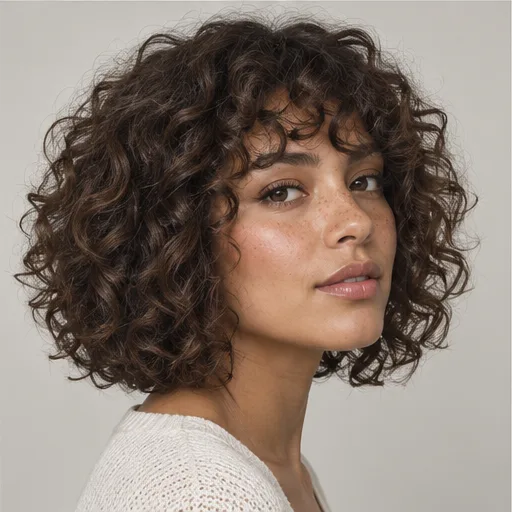
Rounded curly bob with fringe
The dry outline rounds around the cheeks and jaw, with curls forming the fringe. The shortest front curls and the lowest perimeter need separate agreements.
Moderate styling effort · Short lengthDetails & styling for Rounded curly bob with fringe
Choose it for: A contained curly shape with visible framing at the forehead.
Think about: Different curl patterns can spring to different heights. A wet length or stretched curl is not the finished landmark.
A routine to discuss
- Apply your usual styling method in manageable sections.
- Arrange the front curls in their intended direction, allow them to dry fully, then separate only where the shape needs it.
Upkeep: Review the shape in the curl finish you actually wear, including the fringe on a second day.
Your salon request: Keep the lowest dry curl at ___ and the shortest fringe curl at ___. Concentrate fullness around ___ and preserve ___.
Use this look in my brief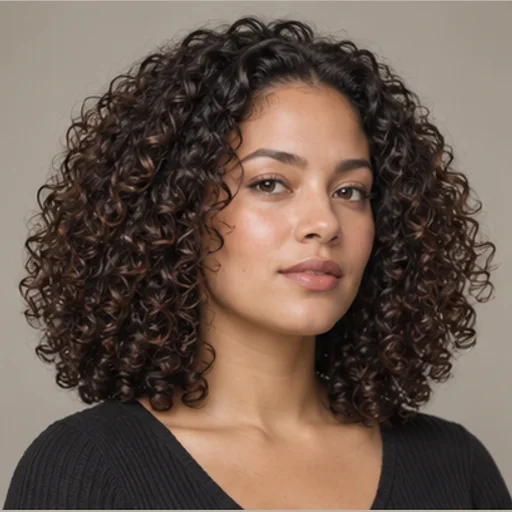
Rounded shoulder-length curls
Layers connect a rounded crown and sides to a full shoulder-area outline.
Moderate styling effort · Medium lengthDetails & styling for Rounded shoulder-length curls
Choose it for: Visible curl volume without a strongly separated shag crown.
Think about: The shoulder can redirect the lowest curls. Check the shape with your head moving and in your usual dry finish.
A routine to discuss
- Define in manageable sections using your familiar routine.
- Allow the sides to retain the width you like while drying.
- Check which lower curls contact the shoulder before deciding the cut needs adjusting.
Upkeep: Discuss the widest point and how much fullness should stay near the ends.
Your salon request: Keep this connected rounded shape, with the widest point at ___ and enough length to ___.
Use this look in my briefCompare your options
Open-front jaw-length bob
Longer front curls leave the forehead open and can be directed into your normal part. The weight remains visible around the cheeks and lower outline. This gives fewer very short pieces to reset, but the front may still fall forward when you look down.
Ask about: Can the front tuck back, and where will the shortest face-framing curl finish when fully dry?
Rounded bob with a curly fringe
Shorter curls at the forehead connect with a rounded crown and sides. The fringe makes a stronger change than moving the perimeter alone. A fringe that is short enough to show the brows may not join a clip or ponytail.
Ask about: How will mixed curl patterns across the fringe change the outline, and can we start longer?
Long curly bob
Keeping the longest curls closer to the shoulders retains more gathering options and makes a less abrupt first cut from long hair. The shoulder can redirect the outer curls, so compare the dry shape with your head moving.
Ask about: Which pieces still reach my usual tie-back, and will the ends sit on or above the shoulder?
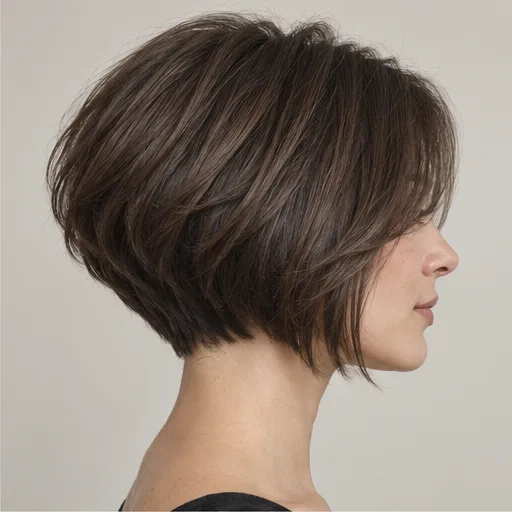
Angled curly bob
A longer front and shorter back create direction, but curls may soften the diagonal so it looks less graphic than on straight hair. Request a visible side view rather than relying on the name A-line.
Ask about: What does the back look like in my natural finish, and how much difference will remain between front and nape?
Build a reference with three landmarks
Mark the lowest acceptable fringe point, your preferred side length and the back boundary. Use a front image for fringe and width, then a side or rear image for the nape. A front-only photo cannot tell your stylist whether the bob is stacked at the back.
A jaw-length reference on loose curls may finish differently on smaller springier curls. Bring photographs of your own hair after your normal wash routine, including areas that shrink or loosen differently. Explain whether your reference was stretched or blown out.
Decide where the fullness should sit
For a rounded silhouette, discuss the crown and sides together. For a more bottom-heavy outline, retain enough length near the top to fall toward the perimeter. Neither shape is a mistake; the useful question is where you want the widest point.
Fine strands do not automatically call for a blunt cut and dense curls do not automatically need thinning. Ask the stylist to show which section would lose weight and what removing it would change. Repeatedly removing more to make every curl identical can leave gaps.
Set the baseline after the cut
Try the finish you intend to repeat before judging the shape. A very stretched blowout and an air-dried curl arrangement are different reference states.
- Work through your usual gentle detangling and conditioning routine, then arrange the part before drying.
- Apply your chosen styling product in sections so the back receives attention as well as the front. Let the curls settle into the intended direction.
- Air-dry or diffuse with a comfortable lower setting. Avoid repeatedly stretching the fringe while checking its length.
- Once fully dry, separate only the pieces you want softer. Check the side and back with a mirror before deciding what needs adjustment.
Troubleshoot the shape instead of recutting everything
If one side looks shorter, compare its curl pattern and the way you slept or dried it. If the bottom flares out, identify whether the shoulder, a dense lower section or the drying direction is creating the width. If the crown looks flat, discuss the crown specifically rather than taking more from the ends.
A follow-up photo of the dry result is more informative than saying the bob feels wrong. Mark the area you want changed, how you styled it and whether the problem happens every wash day.
Take this to your appointment
A starting point for your brief
I want a curly bob that finishes at ___ when dry. Keep ___ long enough to tuck or gather. I prefer fullness at ___ and an open forehead / curly fringe. Please show the back plan and agree on the shortest curls before cutting.
Use this in my briefAdapt the wording to your own hair, preferences and history.
Common questions
Does a curly bob need bangs?
No. A long front with an open forehead is a complete bob shape. Add a fringe only if you want that shorter front section and its separate routine.
Will a curly bob be easier than long curls?
It uses less length, but may need more deliberate reshaping at the front or crown. Compare your actual detangling, drying and refresh routine instead of assuming shorter always means less work.