Texture & density
Curly shags and long layers: choose where the volume sits
Compare a curly shag, rounded shoulder cut and long cascading layers. Understand the shortest crown pieces, perimeter weight and styling tradeoffs.
Upkeep: A short crown takes time to rejoin the length. Maintain the planned silhouette without automatically shortening the top every time the ends are tidied.
Effort is a planning estimate. The specific option and your routine change the commitment.
The starting point
The important difference between a curly shag and long curly layers is where the short pieces begin. A shag brings shorter layers into the crown and often the fringe; long layering keeps more of the upper hair travelling down. Both can move, but they retain weight in different places.
Compare the visual directions
Concept references for shape and placement. Save the specific look you like and open its details. These are starting points for a consultation.
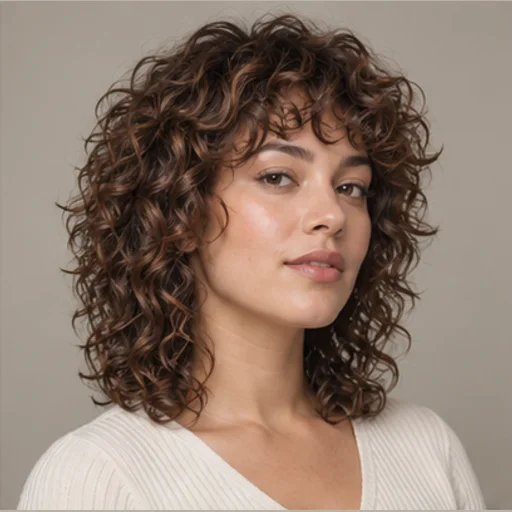
Loose curly shag with fringe
Shorter crown pieces and a textured fringe sit above narrower shoulder-length ends.
Moderate styling effort · Medium lengthDetails & styling for Loose curly shag with fringe
Choose it for: A more broken-up silhouette and emphasis around the crown and eyes.
Think about: The reference has loose curls and waves. Tighter curls need a separate dry-length plan, and short crown layers take time to grow.
A routine to discuss
- Set the fringe opening first.
- Give the short crown its own drying direction instead of pulling every section downward.
- Soften only selected pieces after the hair is dry.
Upkeep: Reshape the fringe separately if the overall length still works.
Your salon request: I want this crown-to-end contrast but the shortest dry layer must still reach ___.
Use this look in my brief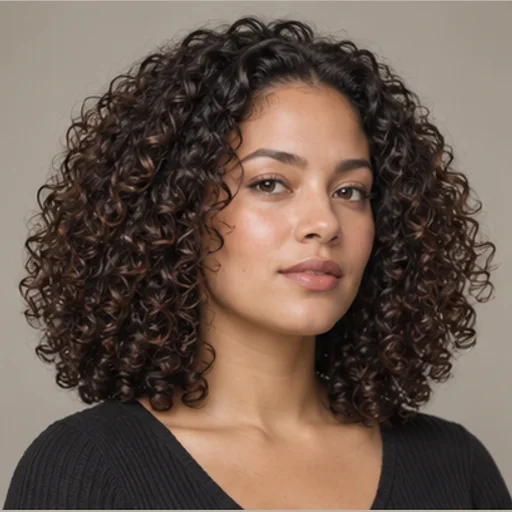
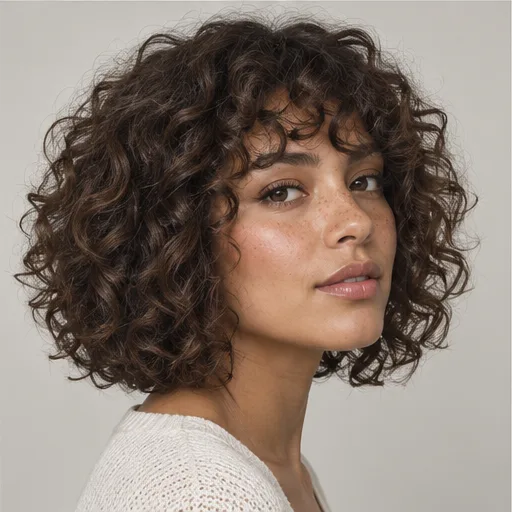
Rounded shoulder-length curls
Layers connect a rounded crown and sides to a full shoulder-area outline.
Moderate styling effort · Medium lengthDetails & styling for Rounded shoulder-length curls
Choose it for: Visible curl volume without a strongly separated shag crown.
Think about: The shoulder can redirect the lowest curls. Check the shape with your head moving and in your usual dry finish.
A routine to discuss
- Define in manageable sections using your familiar routine.
- Allow the sides to retain the width you like while drying.
- Check which lower curls contact the shoulder before deciding the cut needs adjusting.
Upkeep: Discuss the widest point and how much fullness should stay near the ends.
Your salon request: Keep this connected rounded shape, with the widest point at ___ and enough length to ___.
Use this look in my brief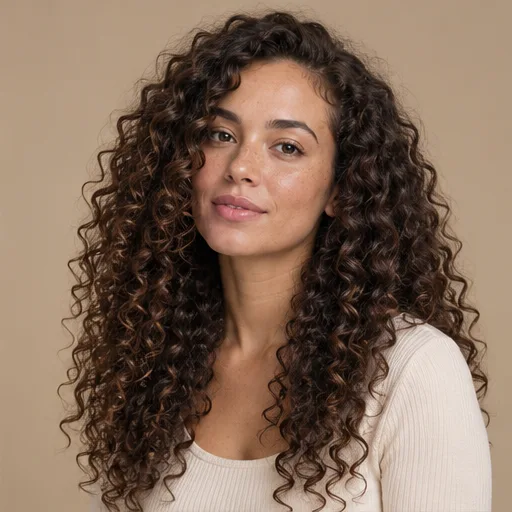
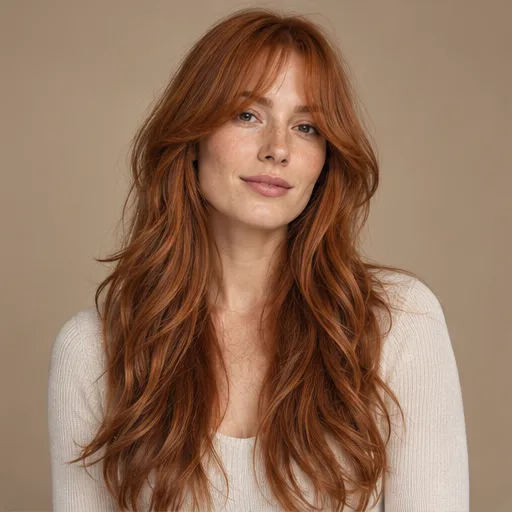
Long curls with a retained perimeter
Length remains the dominant feature while selective layers allow curls to sit at different heights. The result depends on where the shortest layers begin.
Moderate styling effort · Long lengthDetails & styling for Long curls with a retained perimeter
Choose it for: Keeping long hair while making room for movement.
Think about: Aggressive layering can make the ends look sparser. Explain which lower sections must keep their weight.
A routine to discuss
- Detangle gently with a method suited to your curl pattern.
- Style in sections so the underneath receives attention, then let the hair dry before deciding where more separation is needed.
Upkeep: Check the balance between the lower perimeter and crown; a trim and a major layer change are different requests.
Your salon request: Keep the bottom at ___ when dry. Begin the shortest useful layers at ___ and retain fullness through ___.
Use this look in my brief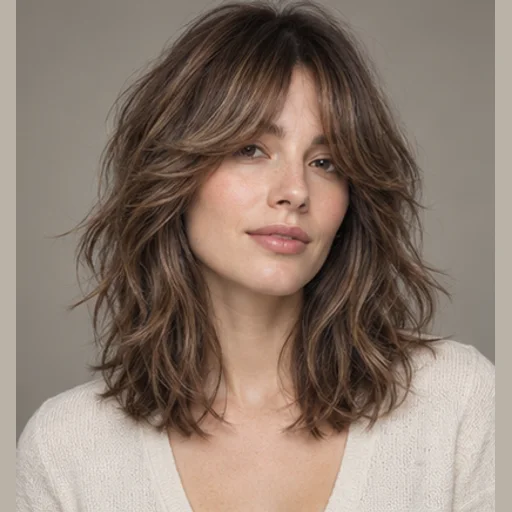
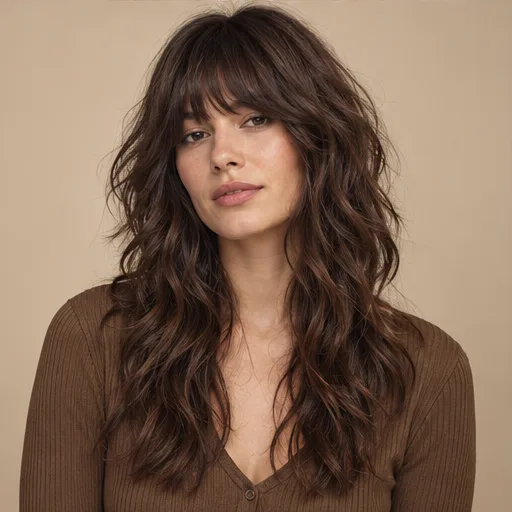
Wavy shoulder shag with curtain fringe
A parted fringe joins a layered wavy shape that stays around the shoulders.
Moderate styling effort · Medium lengthDetails & styling for Wavy shoulder shag with curtain fringe
Choose it for: Movement near the face with a softer contrast than a strongly extended wolf-cut nape.
Think about: The front needs its own length agreement; waves at the sides may bend differently after sleep or headwear.
A routine to discuss
- Arrange the curtain opening while damp.
- Let the waves settle without repeatedly brushing them apart.
- Reset the front separately when the rest of the shape still works.
Upkeep: Maintain the front connection without automatically shortening the crown.
Your salon request: I like the parted fringe and shoulder outline. Keep ___ fullness at the bottom and ___ length at the front.
Use this look in my briefCompare your options
Curly shag with fringe
A shorter crown and front create a more broken-up outline with less weight toward the ends. Choose it for that deliberate contrast, not as a promise of effortless volume.
Ask about: How short is the crown when dry, and will it still join my normal tie-back?
Rounded shoulder curls
The outline remains full around the shoulders with layers arranged to connect crown and sides. This keeps a more continuous shape than a heavily separated shag.
Ask about: Where should the widest point sit, and how much fullness stays at the bottom?
Long cascading layers
Shorter front pieces blend into longer lengths while substantial hair remains through the back. This can preserve a long-hair feeling and multiple gathering options.
Ask about: Which back layers change, and can the longest perimeter remain visibly full?
Long shape with face framing only
Most of the back stays long while the front gets its own shorter outline. It is a useful choice when the change you want is around the face rather than throughout the haircut.
Ask about: Can the shortest front curl still tuck behind my ear or reach a clip?
Separate the crown decision from the length decision
Two cuts can have identical longest ends and very different daily behaviour. Short crown pieces may stand away from the head or need individual resetting; longer upper sections may fall with more weight. Show the shortest visible layer in the reference, not just how far the hair reaches down the back.
For hair that already has a fine-looking perimeter, substantial layering can reduce the ends you hoped to keep. Ask where fullness will be removed and where it will remain. Density and curl shape should inform the decision together.
Read a styled photo carefully
Loose brushed-out bends can make a shag look wider and more feathery than its natural curl state. A smooth blowout can make a butterfly-style front look more sweeping than air-dried curls. Neither is wrong, but the photograph may be illustrating styling as much as cutting.
Request a version in the finish you normally use. If you enjoy both natural curls and a stretched finish, tell your stylist so the compromise is deliberate. Avoid judging the new cut against a reference that requires a routine you do not want.
Style for the chosen outline
The same product can produce different shapes when the hair dries in different directions.
- Arrange the part and fringe before the hair starts setting in an unwanted direction.
- Work through the sections with your usual curl routine. Give shorter crown pieces their own attention instead of pulling all the hair downward together.
- Let the desired side volume remain while air-drying or diffusing on a comfortable lower setting. Handle the curl groups as little as practical while they set.
- Once dry, separate selectively. If the crown looks too disconnected, try a familiar routine first, then discuss that exact layer with the stylist.
Plan what happens if you want a fuller outline later
Growing a shag into a rounder shape often means retaining the short crown and reducing only the lower length when you want those sections to catch up. You do not have to make that change all at once.
Record the parts you like after several ordinary styling days. If you like the fringe but dislike the narrow ends, the next appointment can focus on the perimeter without abandoning every element of the cut.
Take this to your appointment
A starting point for your brief
I want ___ volume at the crown and ___ fullness through the ends. The shortest layer must still ___. Please distinguish the natural curl finish from the styled reference and keep the overall length at ___ when dry.
Use this in my briefAdapt the wording to your own hair, preferences and history.
Common questions
Is a wolf cut the same as a curly shag?
The names overlap. A wolf reference often shows stronger short-crown and long-nape contrast. Point to the exact crown, fringe and perimeter you want instead of relying on the label.
Will layers make curls curlier?
Removing or redistributing weight can change the visible arrangement, but a haircut cannot guarantee a different curl pattern. Discuss shape and routine rather than a promised texture change.