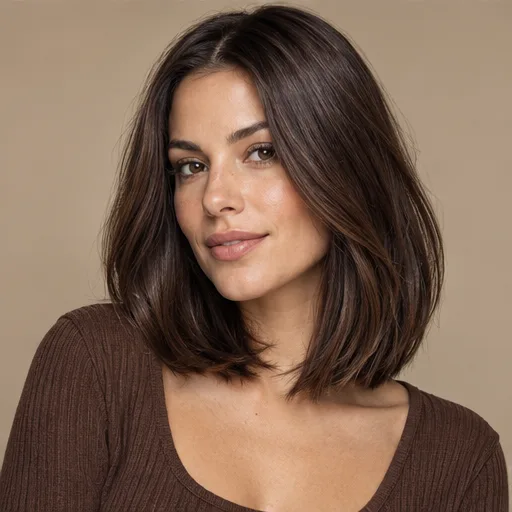
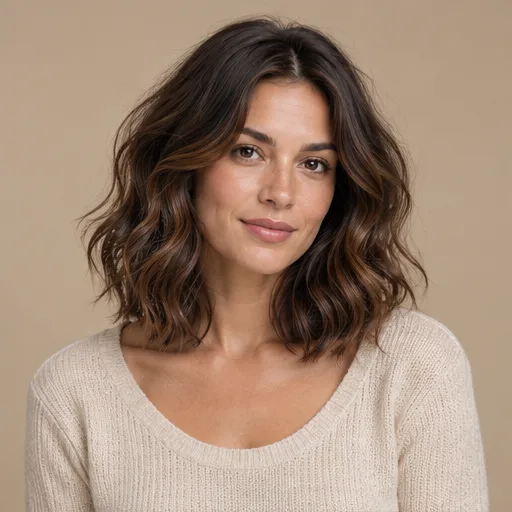
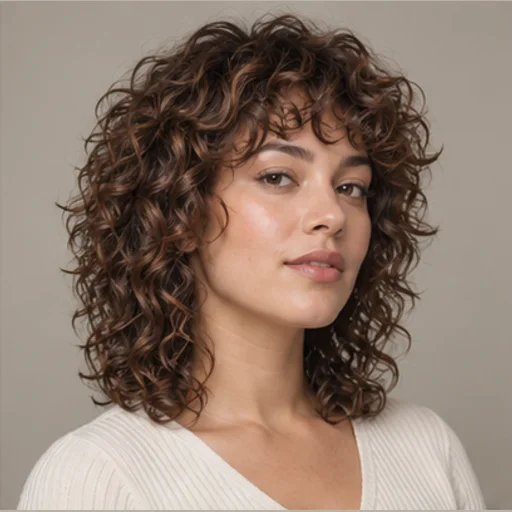
Haircuts
Butterfly layers, face framing and U- or V-shaped ends
Choose sweeping front layers, a full U-shaped perimeter or a more pointed V. Separate the blowout effect from the haircut itself.
Upkeep: The front may lose its intended sweep before the long back needs much cutting. Preserve the sections you want to grow and name which edges need reshaping.
Effort is a planning estimate. The specific option and your routine change the commitment.
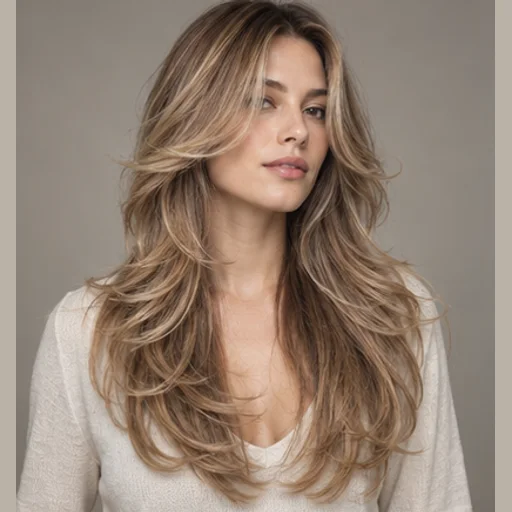
The starting point
A butterfly-style reference usually combines shorter sweeping front layers with retained long lengths. A U or V describes the outline seen from behind, not the layer height throughout the haircut. Decide the front, interior layers and rear perimeter as three separate parts of the plan.
Compare the visual directions
Concept references for shape and placement. Save the specific look you like and open its details. These are starting points for a consultation.
Long layers with a sweeping front
Shorter face-framing pieces sweep away from the face while the back remains long.
Moderate styling effort · Long lengthDetails & styling for Long layers with a sweeping front
Choose it for: Front movement and a styled sweep without losing the whole long outline.
Think about: The photo shows a directional finish. Air-dried layers may not make the same outward curve.
A routine to discuss
- Set the part and separate the front pieces.
- Guide the front away from the face with your chosen blowout or heatless set.
- Allow the shape to dry or cool before blending it into the longer sides.
Upkeep: Protect the shortest front pieces if you want them to regain tie-back length.
Your salon request: Keep the long back and give the front a sweep starting at ___. I need the shortest piece to ___.
Use this look in my brief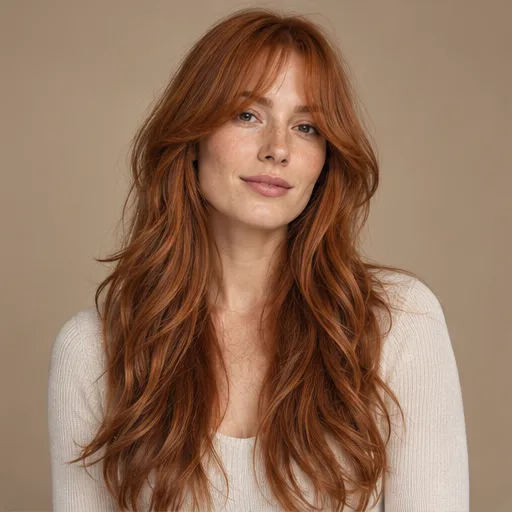
Long copper layers with curtain fringe
A parted front frames the face while long layers retain movement below the shoulders.
Moderate styling effort · Long lengthDetails & styling for Long copper layers with curtain fringe
Choose it for: A visible face-framing change while keeping a long back.
Think about: The fringe and the copper shade are separate decisions. You can choose the shape without choosing the color.
A routine to discuss
- Arrange the front opening before it dries.
- Guide the sides into the direction you want to repeat.
- Use a clip or tuck when the shortest front pieces are long enough.
Upkeep: Plan fringe upkeep separately from the long perimeter and any color service.
Your salon request: I like this curtain shape and long back. My shortest front piece should finish at ___, in my own color.
Use this look in my brief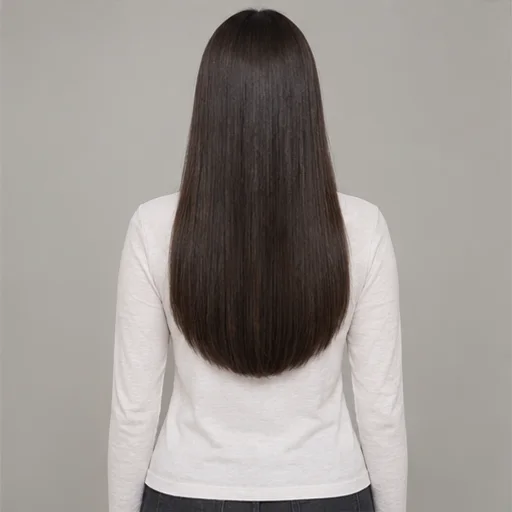
Long rounded U-shaped perimeter
The rear edge curves broadly, with the centre somewhat longer than the sides.
Moderate styling effort · Long lengthDetails & styling for Long rounded U-shaped perimeter
Choose it for: A soft rear outline that retains a substantial lower shape.
Think about: The reference does not specify internal layer height. Ask how much side length is removed to make the curve.
A routine to discuss
- Let the hair fall naturally down the back when checking the outline.
- Compare the loose edge with the length available in your usual braid or tie-back.
Upkeep: Maintain the rear curve without automatically shortening interior layers.
Your salon request: Keep this rounded rear edge and enough side length for ___. Discuss the internal layers separately.
Use this look in my brief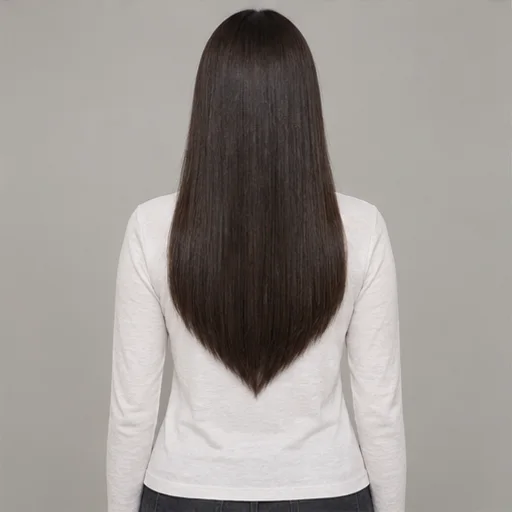
Long pointed V-shaped perimeter
The side lengths slope toward a distinct longest point in the centre back.
Moderate styling effort · Long lengthDetails & styling for Long pointed V-shaped perimeter
Choose it for: A stronger pointed outline when the hair is worn down.
Think about: A deep V leaves shorter sides and a narrower lowest tip. The pictured centre length differs slightly from the U and blunt examples.
A routine to discuss
- Check the rear edge with the hair falling normally.
- Try the usual braid or gather to understand how the shorter sides behave.
Upkeep: Preserve the intended point while deciding how full the lowest ends should stay.
Your salon request: I like the V direction, but want the side corners no shorter than ___ and the lowest point ___ full.
Use this look in my brief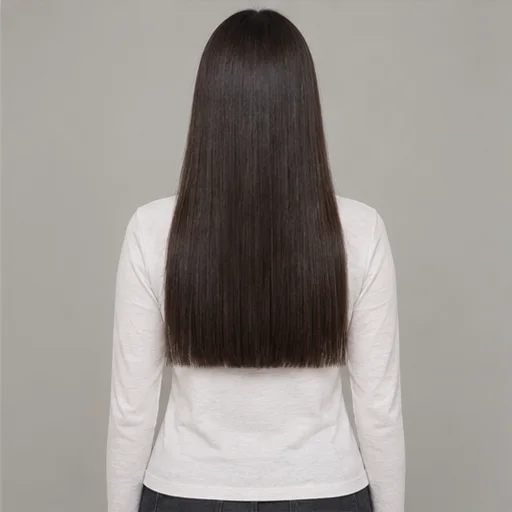
Long full horizontal perimeter
The rear edge stays relatively level across its full width.
Moderate styling effort · Long lengthDetails & styling for Long full horizontal perimeter
Choose it for: A strong lower border with more side length retained than a pronounced V.
Think about: A level edge and no internal layers are not identical instructions. Texture changes how sharply the line appears.
A routine to discuss
- Let the hair settle in the normal finish before assessing the edge.
- Compare the outline with any shorter front framing you want to keep.
Upkeep: Treat the lower border and front shaping as separate maintenance choices.
Your salon request: Keep a full level rear edge at ___, with only ___ front shaping and enough side length for ___.
Use this look in my brief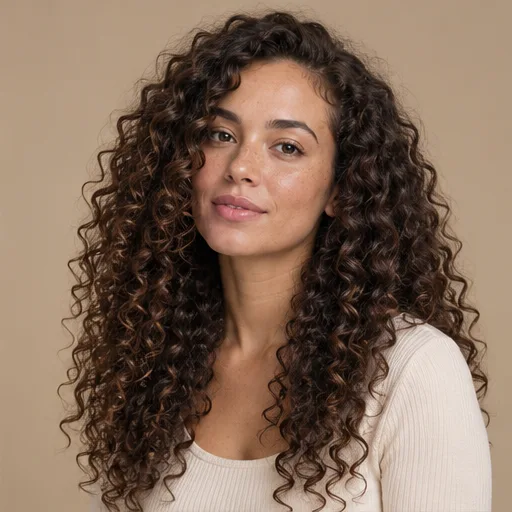
Long curls with a retained perimeter
Length remains the dominant feature while selective layers allow curls to sit at different heights. The result depends on where the shortest layers begin.
Moderate styling effort · Long lengthDetails & styling for Long curls with a retained perimeter
Choose it for: Keeping long hair while making room for movement.
Think about: Aggressive layering can make the ends look sparser. Explain which lower sections must keep their weight.
A routine to discuss
- Detangle gently with a method suited to your curl pattern.
- Style in sections so the underneath receives attention, then let the hair dry before deciding where more separation is needed.
Upkeep: Check the balance between the lower perimeter and crown; a trim and a major layer change are different requests.
Your salon request: Keep the bottom at ___ when dry. Begin the shortest useful layers at ___ and retain fullness through ___.
Use this look in my briefCompare your options
Sweeping butterfly front
Shorter front layers lift away from the face in a styled reference, while the back remains long. The visible sweep often relies on a blowout or a set.
Ask about: Where does the shortest front layer land without styling, and can it still tie back?
Face framing with a largely solid back
The change stays concentrated around the face. It is useful when you like your long perimeter and want to keep gathering the back simply.
Ask about: Can we leave most of the back alone and connect only the front pieces?
Rounded U-shaped perimeter
The centre back remains a little longer than the sides, making a soft rear curve. It avoids a strongly pointed longest section while adding direction to the outline.
Ask about: How much comes off the side corners to create that curve?
More pointed V-shaped perimeter
The centre back is the longest point and the sides taper toward it. A pronounced V removes more apparent length from the sides and can look less full at the lowest tip.
Ask about: How narrow will the longest point become, and do I still like that shape in a braid?
Long layers with a fuller lower edge
Layering is placed with retained perimeter weight in mind. Choose it when movement matters but transparent-looking ends are not your goal.
Ask about: Which layers actually improve movement without removing the lower fullness I value?
Evaluate the reference in two states
Look for how the hair sits when it is moved, tucked or no longer arranged in a perfect blowout. A large front sweep can collapse into a much quieter layer when air-dried. If the styled version is the reason you like it, decide whether you want to repeat the work.
For curls, compare a dry curl reference too. A long-looking front piece in a smooth finish can sit much higher in curls. Discuss the shortest natural endpoint rather than copying the smooth photograph literally.
Protect the functional length
Tell the stylist where your ponytail sits, whether you braid the hair, and which pieces must reach a clip. The shortest front layer may determine whether those styles stay together. Tie your hair as you normally do to make that requirement visible.
A deep V can create a narrower braid tail or shorter sides around a bun. That may be exactly the movement you want, but it should be chosen deliberately. Ask to see the rear outline against a plain top before approving the final edge.
Try a front-layer set
This is a shape-setting option, not a requirement for wearing the haircut. Use the blowout and heatless-wave guides for the full preparation and tool precautions.
- Arrange your normal part and separate only the front layers you want to direct.
- With your chosen gentle drying or heatless-setting method, guide the front away from the face rather than pulling every section straight downward.
- Let the set finish and cool or dry completely before disturbing it. Releasing damp or still-warm sections can make the direction collapse.
- Blend the front into the longer sides with fingers. If you prefer the result flatter, use less root lift next time rather than assuming the cut needs more layers.
Adjust without chasing ever-shorter layers
If the front flicks at an awkward landmark, the solution may be growing it a little longer or changing the styling direction. If the ends look too fine, more short layers will not restore the material that has been removed.
Ask for a grow-out plan that protects the shorter front and side sections while the lower perimeter is adjusted only as needed. Keep a photo of the unstyled result as well as the finish you like; both are useful at the next appointment.
Take this to your appointment
A starting point for your brief
I like the front sweep in this photo but want my shortest front piece to reach ___. Keep the back perimeter ___ and retain enough side length for ___. Please show which parts depend on a blowout.
Use this in my briefAdapt the wording to your own hair, preferences and history.
Common questions
Will butterfly layers look like the photo without styling?
The cut supplies the lengths; the reference may also rely on a directional blowout or set. Ask to compare the natural finish before assuming the same sweep will appear.
Does a V shape create more layers?
A V describes the rear perimeter. Internal layers can be short, long or minimal independently of that outline.